



VHF Radios - Handheld
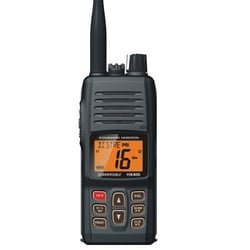
Standard Horizon HX400 Submersible 5W Handheld VHF Radio with LMR and Voice Scrambler

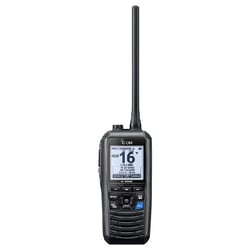

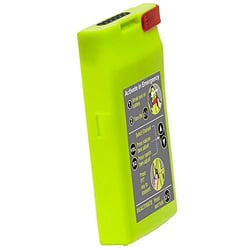

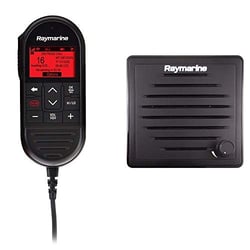
Raymarine T70432 Ray90 Wired Second Station Kit with Passive Speaker and RayMic Handset

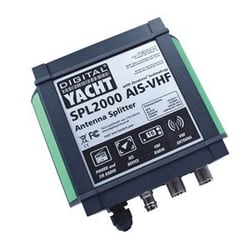

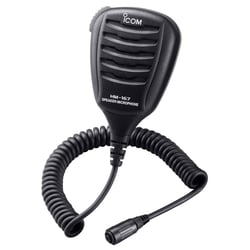
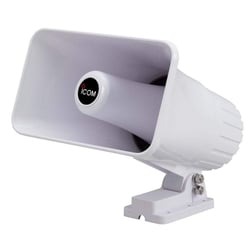
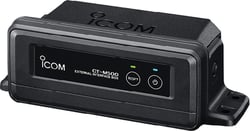
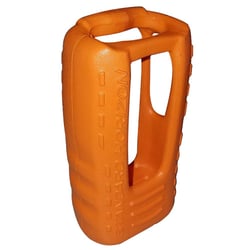
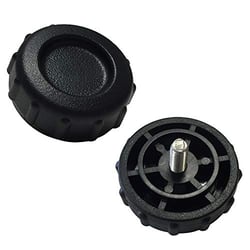
 Representative Photo, actual item may vary

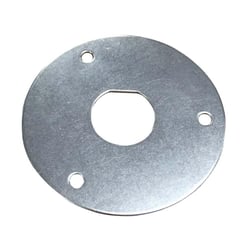
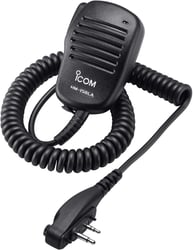
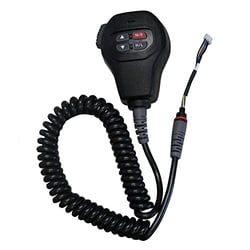
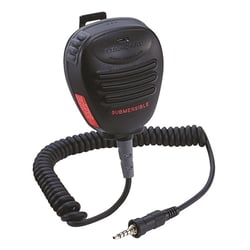
Standard Horizon CS2579402 Replacement Microphone for GX1200 GX1600 GX1700 Marine VHF Radios
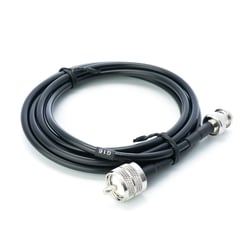
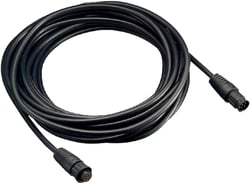
Vesper Marine 010-13269-00 Splitter Patch Cable for Cortex M1 to External VHF
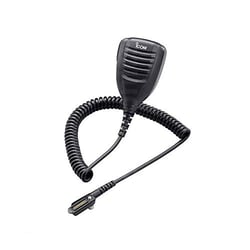
 Representative Photo, actual item may vary
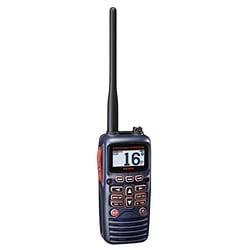
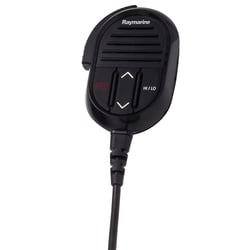
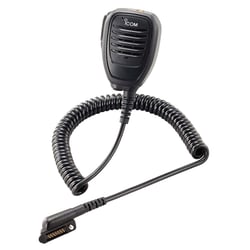
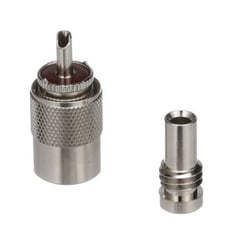

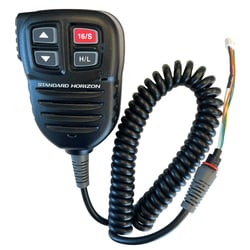
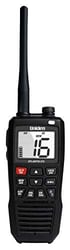
Uniden Atlantis 275 Floating Handheld VHF Marine Radio IPX8 Waterproof 6W

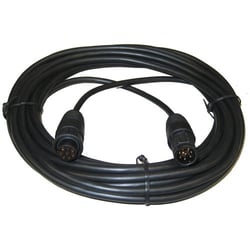
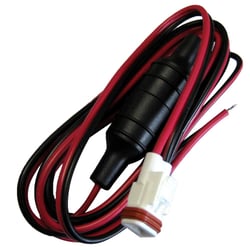
Standard Horizon E-DC-6 12V DC Power Cable with Bare Wires for Marine VHF Radios
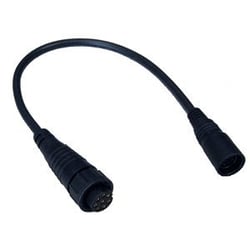
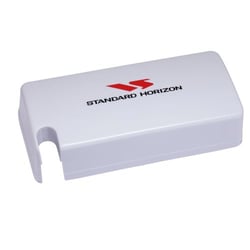
Standard Horizon HC1100 Dust Cover for GX1100/1150/1200/1300/1400 Marine VHF Radios
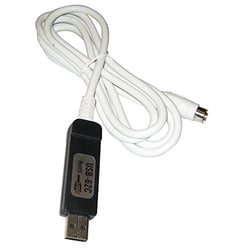
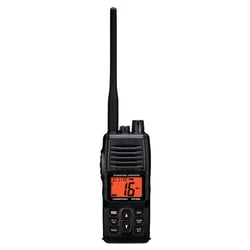
Standard Horizon HX380 Commercial Grade Handheld VHF Radio with Land Mobile Channels
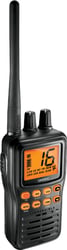
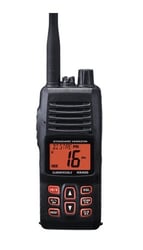
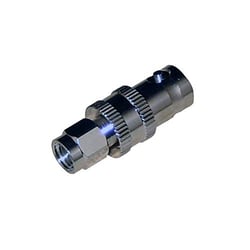
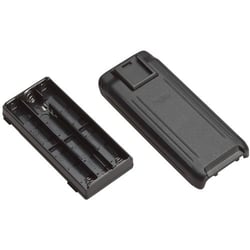
Standard Horizon FBA-42 Alkaline Battery Tray for HX290 HX400 Handheld VHF Radios
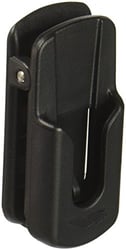
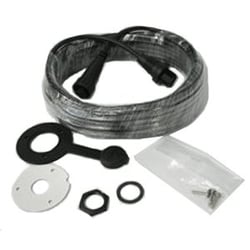
Standard Horizon MEK-4 Microphone Extension Kit for GX5000/GX5500 Marine VHF Radio
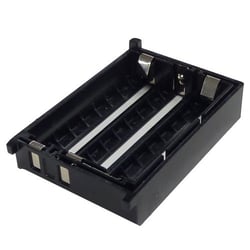
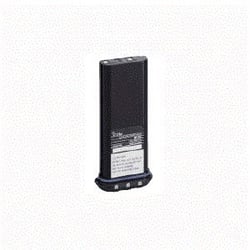
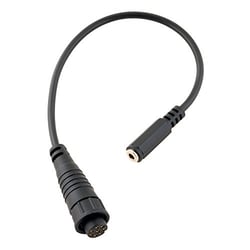
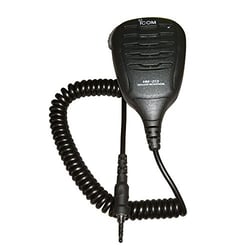
 Representative Photo, actual item may vary
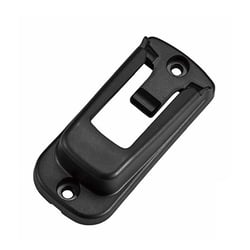
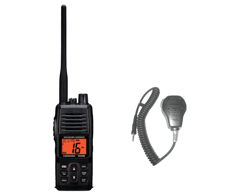
Standard Horizon HX380/MH73A4B 5W Commercial Handheld VHF Radio Bundle with Speaker Mic
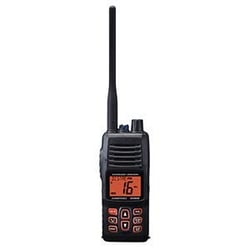
Standard Horizon HX400ISCASE Intrinsically Safe VHF Radio Case Pack (20 Units)
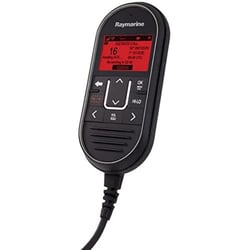
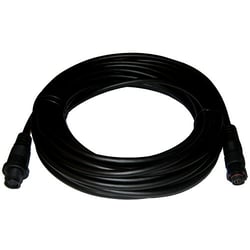
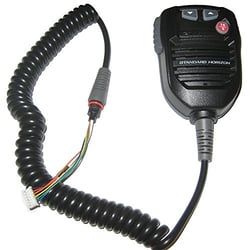
Standard Horizon CS2308402 Replacement VHF Radio Microphone for GX2000B GX2100B GX2150B GX2200B
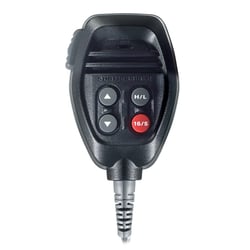
Standard Horizon CS2596701 Replacement Microphone for GX1400 GX1800 Marine VHF Radio Black
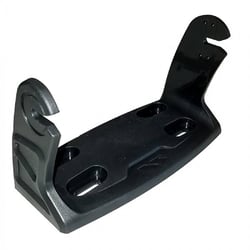
Standard Horizon RA078400C Gimbal Mounting Bracket Black for GX2000/GX2200/GX2400

- 1
- 2
Why a Handheld VHF Radio Belongs on Every Boat
A handheld VHF marine radio is one of the most important pieces of safety equipment a boater can carry. Operating on internationally recognized marine VHF frequencies, these compact transceivers allow ship-to-ship and ship-to-shore communication, instant access to NOAA weather alerts, and — critically — the ability to call for help when it matters most. Unlike a fixed-mount radio, a handheld unit goes wherever you go: into the dinghy, onto the dock, or into a life jacket pocket. Whether you're a weekend cruiser, a serious offshore angler, or a paddler exploring coastal waterways, a reliable handheld VHF radio is your lifeline to the outside world.
Key Features to Look for in a Handheld VHF Radio
Not all handheld VHF radios are created equal. When choosing the right model, consider these important features:
- Digital Selective Calling (DSC): DSC is a safety protocol that allows you to transmit an automated distress signal — including your GPS coordinates — to nearby DSC-equipped vessels and coast guard stations with the press of a dedicated button. Class D DSC is the standard for recreational marine use.
- Integrated GPS: Radios with a built-in GPS receiver can automatically embed your position into a DSC distress call, eliminating the need to manually read out coordinates in an emergency.
- Waterproofing Rating: Marine environments demand robust waterproofing. Look for IPX7 (submersible to 1 meter) or IPX8 (deeper submersion) ratings. Some radios are also designed to float if dropped overboard, a feature that could save both the radio and your life.
- Output Power: Most handheld VHF radios offer up to 5 or 6 watts of transmit power, with the ability to switch to 1 watt for short-range communication to conserve battery life.
- Battery Life: Long standby and transmit times are essential for extended passages or multi-day trips. Lithium-ion batteries with quick-charge capability are increasingly standard across mid-range and premium models.
- NOAA Weather Channels: Dedicated weather alert channels let you monitor changing conditions without disrupting normal communication.
Top Brands in Handheld VHF Radios
Standard Horizon is the dominant force in this category, and for good reason. Their handheld radios are fully waterproof with an IPX8 rating — the highest waterproofing among handheld VHF radios — and many models are designed to float and activate a strobe light upon water immersion. Standard Horizon VHF radios include a number of features boaters have come to expect, including Digital Selective Calling (DSC) that enables users to send distress signals and precise location information in emergency situations. Premium models like the HX891BT add Bluetooth operation, a built-in 66-channel WAAS GPS receiver, and FM broadcast radio reception , making them among the most full-featured handheld radios on the market.
Icom brings decades of radio engineering excellence to the marine world. With over 50 years of experience developing two-way radio products globally, Icom's VHF radios are sought-after equipment in the marine industry. Icom was among the first manufacturers to produce highly advanced and very compact handheld VHF marine transceivers that are submersible, have built-in GPS and DSC, and also float. A standout in their lineup is the IC-M94D: Icom's M94D is the world's first handheld to possess the power of AIS , allowing boaters to see vessel traffic data directly on the radio's display.
Uniden offers approachable, value-conscious handheld VHF radios that are well-suited to casual boaters and first-time radio buyers. Their models deliver solid waterproofing, NOAA weather alerts, and clear audio in a straightforward, easy-to-operate package. Simrad is a respected name in marine electronics, known for integrating their radios cleanly into broader onboard navigation and communication ecosystems — an appealing choice for boaters who already use Simrad chartplotters or multifunction displays. Seachoice rounds out the category with budget-friendly entry-level options that cover the core VHF marine channels and NOAA weather monitoring, ideal for boaters who need a reliable backup radio or a basic unit for a small vessel.
Staying Safe on the Water Starts with the Right Radio
A handheld VHF radio is not just a convenience — in many jurisdictions and under many insurance policies, it is a safety requirement. Pair your handheld unit with a properly registered MMSI number through the FCC or BoatUS, and always keep the battery charged before every outing. Investing in a quality handheld VHF radio from a trusted brand is one of the simplest and most effective steps any boater can take toward a safer time on the water.