



Volvo/OMC Cables



What Are Volvo/OMC Cables?
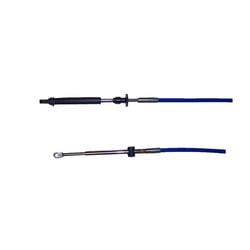
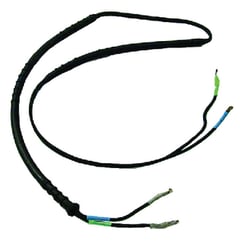
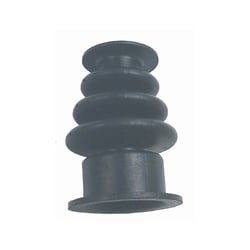
Volvo/OMC cables are the mechanical lifelines that connect your helm controls to the engine and drive unit on Volvo Penta and OMC (Outboard Marine Corporation) powered boats. Whether you're operating the throttle, shifting between forward and reverse, or steering your vessel, these cables transmit every input from your hands directly to the drivetrain. On sterndrives and inboard/outboard setups — which both Volvo Penta and OMC are renowned for — the precision and integrity of these cables is absolutely critical to safe, responsive boat handling.
How Control Cables Work
Marine control cables are push-pull assemblies: a stiff inner wire or rod slides within a protective outer casing, allowing force to be transmitted over distance and around gentle bends in the hull. When you push the throttle forward at the helm, the cable compresses at one end and pushes the throttle linkage at the engine end. When you pull back, the cable retracts. This seemingly simple mechanism must perform reliably in one of the harshest environments imaginable — constant exposure to water, salt, UV radiation, heat, and mechanical vibration.
Volvo Penta and OMC engines and sterndrives were engineered with specific cable geometries, end fittings, and travel distances in mind. Using a cable that is the wrong length, the wrong end-fitting style, or built to a different specification can result in imprecise shifting, sticky throttle response, or — in worst-case scenarios — a control that fails to disengage when needed. This is why sourcing the correct Volvo/OMC-compatible cable for your specific engine model and year is so important.
Signs Your Marine Control Cable Needs Replacement
- Stiff or jerky throttle/shift action — internal corrosion or a kinked cable creates excess friction that makes controls feel notchy or requires unusual force.
- Spongy or imprecise response — a stretched or frayed inner wire loses its ability to transmit precise movement, leading to delayed or incomplete gear engagement.
- Visible corrosion or cracking on the outer jacket — once the protective casing is compromised, moisture enters and accelerates internal degradation.
- Cable binding at full travel — a cable that bottoms out or catches at the end of its travel can prevent full throttle or prevent complete disengagement from gear.
Choosing the Right Cable for Your Application
When shopping for a replacement Volvo/OMC cable, the three most important factors are cable length, end fitting configuration, and compatibility with your specific engine and control box model. Cable length is measured from end fitting to end fitting and must match your original routing path through the hull. End fittings on Volvo Penta and OMC applications are not universal — the swivel, clevis, or threaded termination style must match both the helm control box and the engine-side bracket or lever.
It's also worth noting the difference between throttle cables and shift cables. While they may appear similar, they are often calibrated for different amounts of travel and resistance. Always cross-reference your engine's model number and the original cable part number when possible to ensure a like-for-like replacement.
Maintenance Tips to Extend Cable Life
Regularly lubricating the cable — particularly at the entry and exit points of the conduit — with a marine-grade cable lubricant helps displace moisture and reduce friction. After each boating season, inspect the full length of the cable for kinks, cracks, or corrosion at the end fittings. Proper routing that avoids sharp bends and keeps the cable away from exhaust heat will significantly extend its service life. Proactive replacement before a cable fails completely is always the safer and more cost-effective approach on the water.