



Wakeboard Ballast Pumps
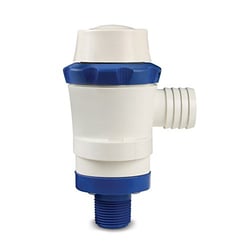

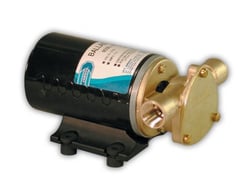

 Representative Photo, actual item may vary

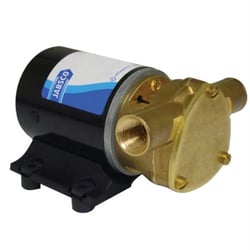
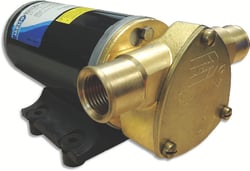
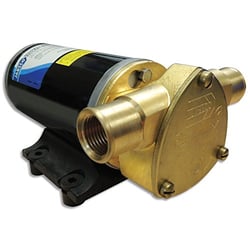
Jabsco 22610-9427 Ballast King Bronze 12V DC Pump 15 GPM with Deutsch Connector
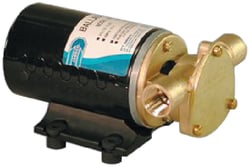
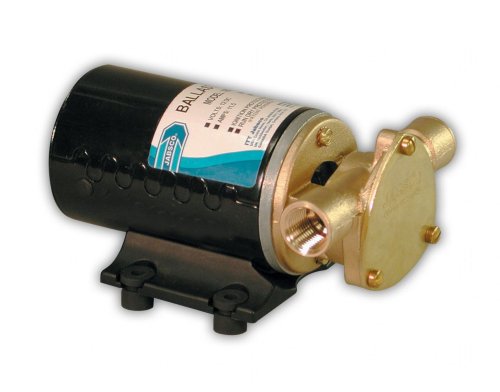
Jabsco 18670-9407 Self-Priming Ballast Pump 8.4 GPM for Wakeboard Ski Boats
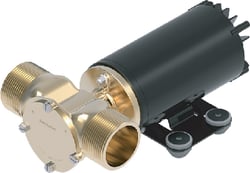

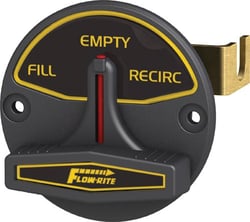
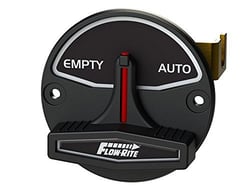
 Representative Photo, actual item may vary
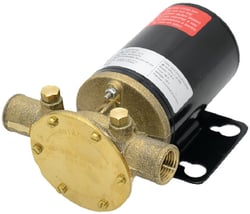
Jabsco 18220-5127 Wakeboard Ballast Puppy Replacement Pump with Deutsch Connector

What Are Wakeboard Ballast Pumps?
A wakeboard ballast pump is the workhorse at the heart of any boat's ballast system. Ballast itself is the extra weight added to a boat to displace the hull deeper in the water, which in turn produces a larger, more powerful wake for wakeboarding and wakesurfing. While the bags or tanks hold the water, the ballast pump is what moves it — quickly filling the system before your session and draining it completely when you're done.
As one marine resource explains, ballast is pumped aboard via small submersible pumps and contained within under-floor tanks or flexible water bags, allowing water to be quickly added or removed to weigh a boat down while riders are surfing, then lighten that load for cruising. Without a reliable pump, even the most thoughtfully designed ballast system becomes impractical to use on the water.
Types of Wakeboard Ballast Pumps
There are two primary pump designs used in wakeboard ballast systems, each with distinct advantages depending on your setup:
- Aerator Pumps (One-Direction Flow): Originally developed to fill livewell tanks on fishing boats, aerator pumps move water in a single direction at high velocity. Because they only push water one way, aerator-based systems require separate pumps for filling and draining — one pump feeds the tank from the top, and another empties it from the bottom. This design typically offers the fastest fill and drain times and is the most affordable option, though it does require more hose routing and physical space inside the hull.
- Reversible Impeller Pumps (Two-Direction Flow): Flexible impeller pumps can both fill and drain through the same port by reversing the direction of flow. This means a single pump handles the entire job, simplifying installation and reducing the number of components. Unlike aerator pumps, flexible impeller pumps are self-priming and do not need to be mounted below the waterline, giving installers more flexibility in placement. These systems are often paired with a timer module that automatically shuts off the pump when the tank is full or empty, making them essentially hands-free.
Why the Right Pump Matters
The pump you choose directly affects how quickly you can get on the water and how effortlessly you can adjust your ballast between sets. Fill times, flow rate (measured in gallons per hour), and ease of installation are all critical factors. A pump that is too slow can mean waiting 20 minutes or more for bags to fill, cutting into valuable ride time. A pump that is undersized for the tank volume may also struggle to fully drain the system, leaving unwanted residual weight in the hull.
Ballast placement and weight also shape the wake — not just its size. Rear-weighted ballast creates a taller, steeper wave, while front-weighted ballast lengthens and smooths the surf area. A dependable pump makes it easy to experiment with different configurations and quickly adapt to each rider's preferences on the fly.
Key Considerations When Shopping for a Ballast Pump
- Flow Rate: Look at gallons per hour (GPH) ratings to ensure the pump matches the volume of your ballast bags or tanks.
- Reversible vs. One-Direction: Decide whether you want a simpler, single-pump reversible setup or the faster fill/drain speeds of a dedicated aerator system.
- Mounting Location: Aerator pumps must be mounted below the waterline; reversible impeller pumps offer more flexibility since they are self-priming.
- Compatibility: Verify that port sizes and fittings are compatible with your existing hose diameter and through-hull hardware.
- OEM vs. Aftermarket: Many factory ballast systems can be upgraded or supplemented with aftermarket pumps for greater capacity and faster performance.
Whether you're replacing a worn factory pump, upgrading for faster fill times, or building a ballast system from scratch, selecting the right wakeboard ballast pump is the foundation of a dialed-in wake setup.