



Wakeboard Ropes
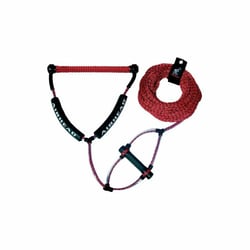

What Are Wakeboard Ropes and Why Do They Matter?
A wakeboard rope is far more than a simple tether between rider and boat — it is one of the most performance-critical pieces of gear in your watersports setup. Stretch, or the lack of it, is everything. Wakeboard ropes are purpose-engineered to minimize give so that every edge cut, pop off the wake, and mid-air trick translates directly into the performance you intended. Unlike water ski or tube ropes, which are designed to absorb shock through elasticity, wakeboard ropes must remain a consistent, predictable length throughout your entire ride.
How Wakeboard Ropes Are Different
The distinction between a wakeboard rope and other tow ropes comes down to material and construction. Dyneema lines sit at the top of the performance spectrum — Airhead Sports Group offers Dyneema ropes that are exceptionally strong and lightweight, with excellent resistance to UV rays and a flat construction that is virtually impossible to tangle. Mid-tier options like Spectra and Poly-E offer low-stretch performance at more accessible price points, making them a great starting point for newer riders. Poly-E ropes can stretch slightly under riding load, which actually helps soften the shock of cutting through a boat wake — a feature that beginners may find forgiving.
Choosing the Right Length
Rope length plays a significant role in shaping the riding experience. Lengths typically range from 55 to 75 or more feet, and the right choice depends heavily on your skill level and the width of your boat's wake. Beginners generally benefit from shorter ropes in the 55–65 foot range, which position them closer to the boat where the wake is narrower and easier to clear. Advanced riders tend to prefer longer ropes, as the added distance generates more speed into the wake, wider launch points, and greater air time — all essential for landing progressive tricks.
Most quality wakeboard ropes feature adjustable take-off sections — typically 5- or 10-foot segments — so a single rope can be quickly shortened or lengthened to suit multiple riders on the same day on the water.
Handle Features to Consider
The handle is the rider's only point of contact with the rope, making grip material and design just as important as the line itself. Wakeboard handles are typically wider than water ski handles — ranging from 13 to 15 inches — because the extra width makes it easier to pass the handle behind the back during spin tricks. EVA foam grips, aluminum cores, finger guards, and built-in foam floats are all features worth evaluating. A floating handle is especially practical: it stays visible and easy to retrieve after a fall.
Shop Wakeboard Ropes by Brand
Airhead Sports Group is one of the most recognized names in tow ropes for watersports. Their wakeboard rope lineup spans everything from entry-level EVA grip ropes to premium Dyneema flat-line and Spectra Fusion options, covering riders from first-timers to seasoned pros. Airhead is noted for engineering ropes with 2,000-pound break strength ratings and specialized trick handles designed specifically for spins, inverts, and advanced aerial maneuvers.