



Windshield Wiper Blades & Arms
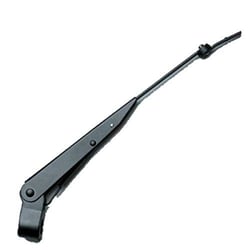






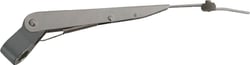

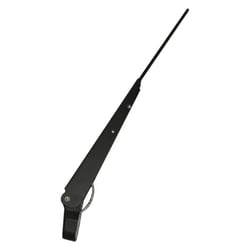

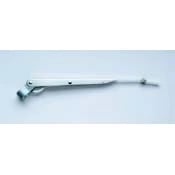

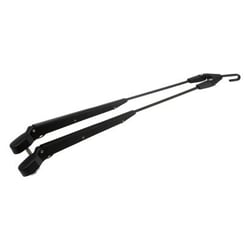



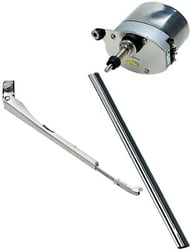

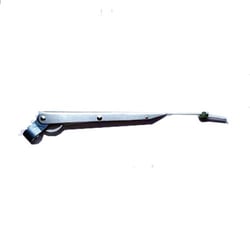
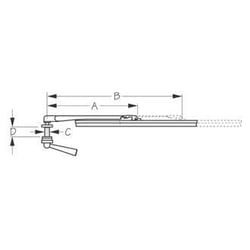
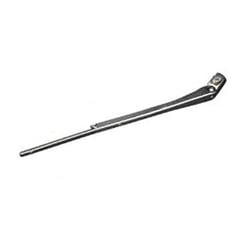
Marinco 33006A Deluxe Stainless Steel Adjustable Marine Windshield Wiper Arm 6.75-10.5 Inch
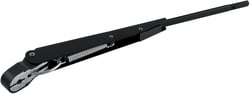



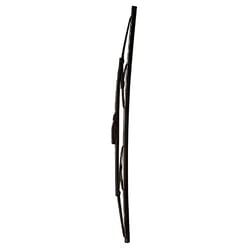



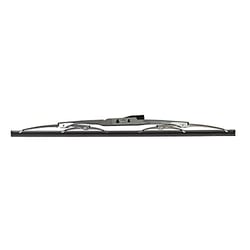
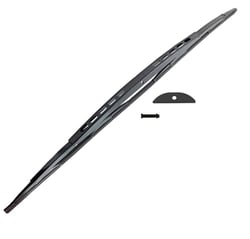
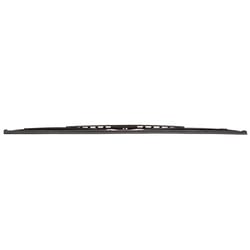
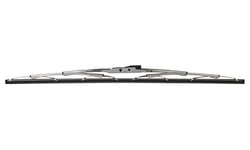
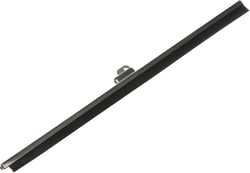
AFI 34012B Marinco Deluxe Stainless Steel Marine Wiper Blade with Black Finish, 12 Inch
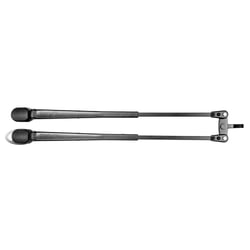
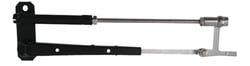
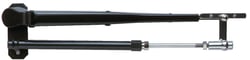
Schmitt Marine Steering Wheels 33670 Deluxe Adjustable Pantograph Wiper Arm 12.5-18 Inch Ultra HD

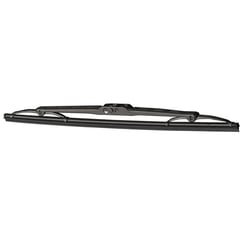
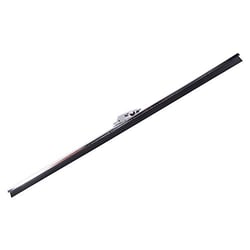
Schmitt Marine 33120 Deluxe Stainless Steel Wiper Blade 20 Inch Black Powder Coated
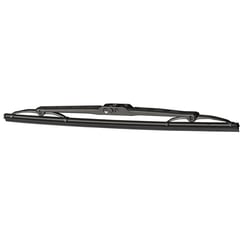
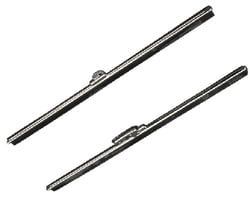
Schmitt Marine Steering Wheels 33118 Deluxe Stainless Steel Wiper Blade 18" Black Powder Coated
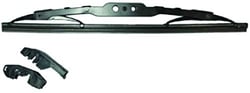
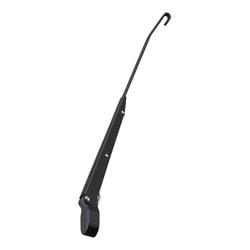

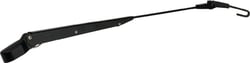
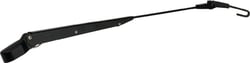

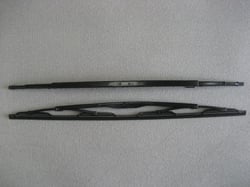
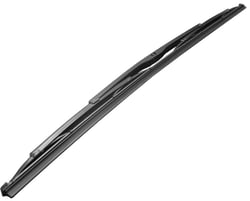
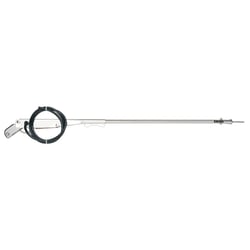
 Representative Photo, actual item may vary

 Representative Photo, actual item may vary
Clear Visibility on the Water Starts Here
Marine windshield wiper blades and arms are among the most safety-critical components on any powerboat or cruiser. Marine windshield wipers are essential tools that help maintain clear visibility during wet and stormy weather conditions on boats and other watercraft, designed to effectively remove rain, snow, sleet, and other debris from the windshield to ensure the safety of passengers and crew. Whether you're navigating a coastal inlet in a summer squall or running an offshore passage in heavy chop, a properly functioning wiper system is not optional — it's foundational to safe helmsmanship.
How Marine Wipers Differ from Automotive Systems
It's tempting to treat boat wipers as interchangeable with car wipers, but the two are engineered for very different environments. Marine wipers are engineered for saltwater corrosion resistance, high UV exposure, spray at speed, and wide temperature swings — compared with automotive systems, marine wipers use stainless steel, anodized aluminum, and UV-stabilized polymers in motors, arms, and blades to prevent seizure and degradation over time.
There are several types of marine windshield wipers available, including standard, pantograph, and self-parking wipers. Standard wipers are the most basic type and are suitable for small boats with flat windshields. Pantograph wipers are more versatile and can be used on curved or angled windshields. Self-parking wipers are advanced and can automatically return to their original position when not in use.
Choosing the Right Wiper Blade and Arm
Selecting the correct wiper system requires more than picking the right blade length. Clear visibility at the helm starts with a properly sized marine windshield wiper system — motor, arm, and blade — matched to your window geometry and operating conditions, including torque, sweep angle, and arm/blade reach. Key material considerations matter just as much: use marine-grade materials such as 316/304 stainless, anodized aluminum, and UV-stable polymers for salt and UV exposure.
Key features to look for include corrosion-resistant materials like stainless steel for durability, and various mounting options such as straight-end and J-hook designs for easy installation. Blade rubber compound also matters — EPDM/silicone blend squeegees withstand UV and ozone on open decks, making them a strong choice for boats that spend extended time in the sun.
Maintenance Tips for Long-Lasting Performance
Even the best marine wiper blades need routine care to perform reliably. Replace blades every 6–12 months in harsh marine conditions, or at first signs like streaking, cracking, squeaking, or skipping. Clean blades monthly with mild soap and a soft cloth to remove salt and debris, avoiding harsh chemicals; rinse with freshwater after saltwater exposure, and inspect arms quarterly for bends or rust. Maintaining blades and electrical connections is critical — heat and corrosion are the main life-shortening factors.
Top Brands for Marine Wiper Blades & Arms
When it comes to dependable marine wiper performance, the brand you choose matters. PIAA is a standout choice for boaters who demand exceptional visibility in adverse conditions. PIAA silicone wiper technology ensures greater visibility by coating the windshield with silicone to promote continuous water beading in inclement weather, causing water to bead up into droplets at low speeds that are easily removed by ordinary wiping. PIAA Super Silicone Wipers have been the benchmark for wiper performance for nearly a decade, with silicone-infused blades delivering whisper-quiet movement, unrivaled vision, and long life.