



Wood Sealer & Stains

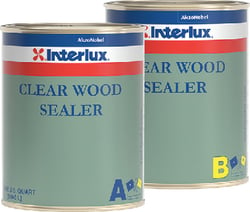
Interlux Paint YVA327QT Clear Wood Sealer Base - Fast Drying Grain Filling Sealer

Why Marine Wood Sealers & Stains Matter
Wood on and around boats faces some of the most punishing conditions imaginable. Saltwater spray, intense sunlight, and constant humidity cycles can quickly degrade even the finest teak brightwork, mahogany trim, or dock decking. Marine wood sealers and stains are purpose-built to stand up to these challenges in ways that ordinary exterior coatings simply cannot. Understanding how they work — and how to choose the right product for your project — can mean the difference between brightwork that lasts years and one that fails after a single season.
What Marine Wood Sealers & Stains Do
At the most basic level, a wood sealer penetrates into the grain and wood fibers, creating a moisture barrier that limits water ingress and slows UV-driven degradation. Stains work in tandem: they alter or enhance the color of the wood but typically do not seal it on their own, meaning a sealer is almost always a necessary follow-up step for full protection. Together, a quality sealer and stain system delivers:
- Saltwater resistance — reduces swelling, checking, and rot risk from continuous marine exposure
- UV protection — UV light breaks down lignin at the wood surface, causing graying and fiber loss; sealers containing UV absorbers slow this photodegradation significantly
- Moisture and mildew control — limits decay by controlling water uptake and reducing conditions favorable to mold growth
- A stable base for topcoats — sealing fills the grain and reduces soak-in, allowing varnishes and finish coats to lay down more evenly and last longer
Choosing the Right Product for Your Application
Not all wood sealer systems are created equal, and selecting the right one depends on several factors. First, consider the location and exposure of the wood: full-sun exterior trim needs a UV-resistant system, while interior joinery can prioritize clarity and warm tone. Next, assess the condition of the substrate — sound, new wood can often accept a clear sealer directly, while weathered or softened fibers may benefit from a penetrating epoxy first to consolidate loose fibers before any topcoat is applied. Finally, plan your maintenance window: exposed brightwork typically requires recoating on a one-to-two year cycle, so choose a product whose reapplication process fits your schedule and skill level. It is also wise to match sealers and topcoats from within the same brand family whenever possible, as this ensures predictable cure times and adhesion compatibility.
Top Brand: Interlux
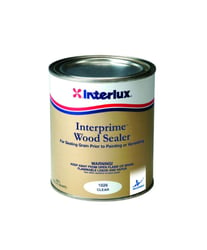
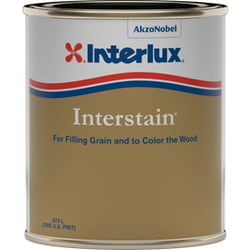
Interlux is one of the most recognized names in marine coatings, with a heritage dating back to 1881. The brand has become synonymous with high-performance yacht coatings for both above and below the waterline. Within the wood sealer and stain category, Interlux offers fast-sealing primers that fill grain and reduce soak-in, providing a smoother build and more even topcoat results — making them a dependable choice for boaters tackling brightwork restoration or new-build finishing projects. Products like Interlux Interstain serve a dual purpose, both filling the wood grain and adding rich color enhancement, while their clear wood sealer options lay the groundwork for beautiful, long-lasting varnish systems.