



Wood Sealers & Varnishes
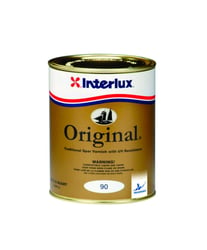

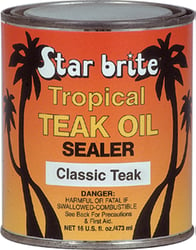
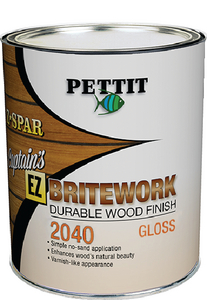 Representative Photo, actual item may vary


Why Wood Sealers & Varnishes Matter for Marine and Outdoor Surfaces
Wood is one of the most beautiful — and most demanding — materials you'll find on a boat or outdoor project. Whether it's the gleaming brightwork on a classic sailboat, a teak deck baking in the sun, or mahogany trim subject to salt spray and constant humidity, unprotected wood deteriorates fast. Wood sealers and varnishes are the essential first and final line of defense, locking out moisture, blocking UV radiation, and creating a durable film that preserves the natural beauty of the grain for years.
The two products work in concert. A sealer goes on first: wood sealers act as a moisture barrier layer, preventing primers, paints, and varnishes from soaking too deep into the wood surface. This uniform base coat ensures that finish coats build up efficiently and adhere evenly, rather than being wasted on raw, thirsty grain. Varnish then goes on top, delivering the gloss, depth, and long-term UV protection that protects both the wood and the sealer underneath.
Understanding the Different Types
Not all sealers and varnishes are the same — knowing which type suits your project helps you get the best results.
- Pre-Varnish Sealers: These fill the wood grain and create a smooth, level base for varnishing, improving adhesion and the durability of the final finish.
- Penetrating Oils: Natural oils or oil-based sealers soak deep into wood fibers to repel water and preserve wood color without forming a surface film — ideal for teak and other oily tropical hardwoods.
- Epoxy Sealers: Two-part epoxies provide hard, durable protection and stabilize rotted or damaged wood by sealing below the surface, creating a foundation for paints or varnishes.
- Spar Varnishes: Marine varnishes are transparent coatings based on alkyd-modified resins and drying oils, often fortified with UV absorbers. They protect wood from sunlight, saltwater, moisture, and wear while showcasing the grain.
Key Factors When Shopping
Marine environments subject wood to constant expansion and contraction from moisture and temperature fluctuations — a quality varnish must remain flexible and resist cracking or peeling over time. Here are the most important considerations:
- UV resistance: UV light breaks down lignin at the surface, causing graying and fiber loss. Look for products with UV inhibitors, which slow photo-degradation and discoloration.
- Wood species: Oily hardwoods like teak and mahogany require a solvent wipe before sealing, and some products are specifically formulated to penetrate and bond to high-oil species.
- System compatibility: Match sealers and topcoats from the same brand family when possible for predictable cure and adhesion.
- Application method: Choose between brush-on, roll-on, or spray options. Ease of application impacts project time and finish quality.
- Maintenance window: Exposed brightwork typically needs inspection and touch-ups every season, with full recoating every one to two years depending on environmental exposure.
Top Brands in Wood Sealers & Varnishes
Pettit Paint is a trusted name when it comes to marine wood protection. As a recognized leader in marine coatings, Pettit offers an extensive range of wood sealers, fillers, and varnishes — including their EZ Wood Sealer line, which uniformly seals all wood types including teak and mahogany, and their renowned Captain's Varnish series, which has been a go-to choice for boaters maintaining brightwork for generations.