



AC General Purpose Pumps
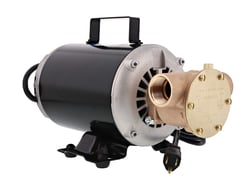

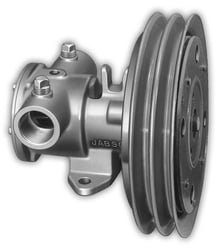
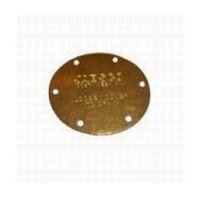
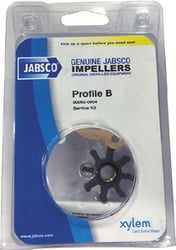
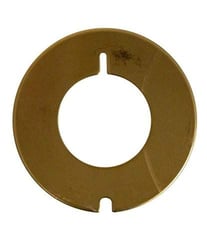
Jabsco 11860-0005 Electro-Magnetic Clutch Pump 12V 1 Inch NPT 23 GPM Bronze
What Are AC General Purpose Pumps?
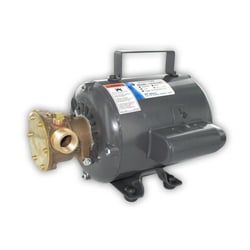
AC general purpose pumps are electrically powered pumps that run on standard alternating current (AC) power — the same type of power supplied by shore power hookups, generators, or inverters commonly used in RVs and boats. Unlike their 12V DC counterparts that draw directly from a battery, AC pumps are designed to operate when your vessel or recreational vehicle is connected to a reliable power source, making them an ideal solution for more demanding, continuous-duty plumbing applications.
In the context of RV and marine plumbing, these pumps are workhorses. They move water through freshwater systems, support bilge drainage, assist with washdown stations, transfer water between holding tanks, and keep plumbing circuits pressurized — handling the kinds of tasks that require consistent, dependable flow rates over extended periods.
Why AC Power Matters in Marine & RV Plumbing
Choosing the right power source for your pump is just as important as choosing the right pump itself. AC-powered pumps generally offer higher flow rates and greater sustained performance compared to DC pumps of a similar size. When your RV is parked at a campground with 30- or 50-amp shore power, or your boat is docked with access to marina power, an AC general purpose pump can run continuously without taxing your battery bank. This makes them particularly well-suited for liveaboard boaters, full-time RVers, and anyone who regularly uses onboard water systems for extended durations.
Key Considerations When Shopping for an AC General Purpose Pump
- Flow Rate (GPM/GPH): Match the pump's gallons-per-minute or gallons-per-hour rating to your actual water demand. Oversizing can waste energy; undersizing leaves you with poor pressure.
- Voltage Compatibility: Most AC pumps operate on 110V/120V standard household current, but some marine applications use 220V. Always confirm compatibility with your onboard power system before purchasing.
- Head Pressure: This refers to how high or far the pump can push water. Longer runs, multiple fixtures, or elevated tank placements all require higher head pressure ratings.
- Duty Cycle: Some pumps are rated for intermittent use, while others are built for continuous operation. For pressurized water systems that cycle on and off frequently, look for a pump designed to handle that demand.
- Port Size & Fittings: Ensure the inlet and outlet port sizes match your existing plumbing lines to avoid the need for adapters that can restrict flow or introduce leak points.
- Thermal Protection: Quality AC pumps often include built-in thermal overload protection — a critical safety feature that prevents motor burnout if the pump runs dry or overheats.
Installation & Maintenance Tips
Proper installation is essential for getting the most out of an AC general purpose pump. Mount the pump as close to the water source as possible to minimize lift distance and reduce strain on the motor. Always use appropriately rated wiring and a dedicated circuit breaker to handle the pump's amperage draw. Strainers or inline filters on the inlet side protect the pump's impeller from debris, dramatically extending its service life. Periodically inspect seals and fittings for signs of wear or leakage, and flush the pump if it will be sitting unused for extended periods to prevent mineral buildup and corrosion inside the housing.
Whether you're maintaining a freshwater system aboard a cruising sailboat, managing water transfer on a pontoon, or upgrading the plumbing in a Class A motorhome, the right AC general purpose pump delivers the reliability and performance your system depends on.