



Acme Propellers
 Representative Photo, actual item may vary
Quicksilver 8M0123403 Thunderbolt Bravo 3 Stainless Steel Propeller 21 Pitch 3-Blade Rear

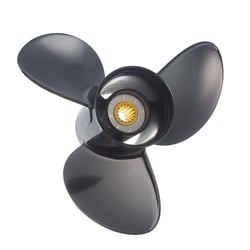

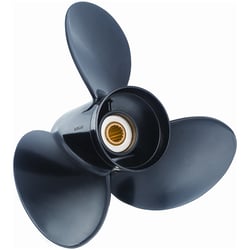
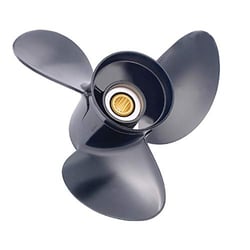
 Representative Photo, actual item may vary
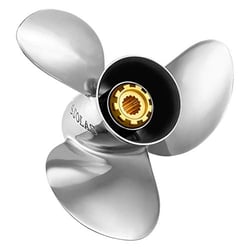
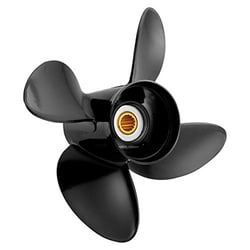
 Representative Photo, actual item may vary
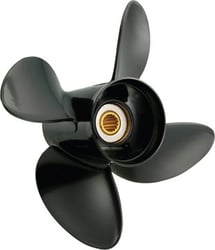
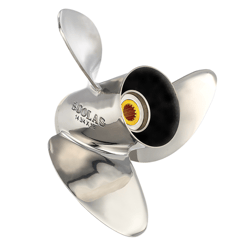
Solas 1311-116-13 Aluminum Propeller 11.6 x 13 Pitch 3-Blade for Mercury/Mariner 25-70HP
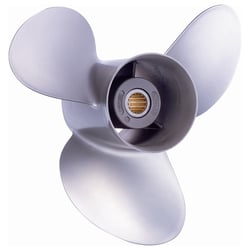
Solas 3531-156-11 Stainless Steel Propeller for Yamaha V6 Outboards 15.6 x 11
Solas 5111-093-07 Aluminum Propeller 7 Pitch for Mercury/Tohatsu/Nissan 9-20HP
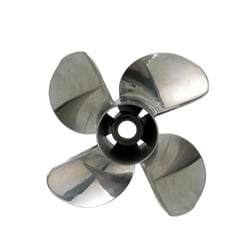
Quicksilver 8M0103529 Q4 Stainless Steel Propeller 14.6" x 19" 4-Blade Left Hand
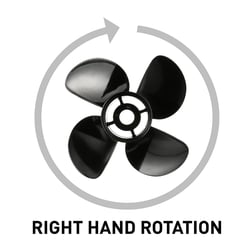
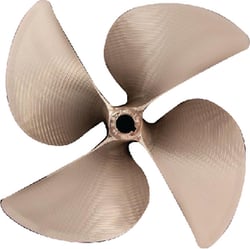

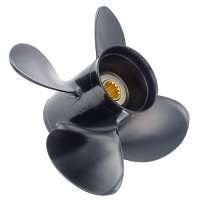
Solas 3514-148-15 Amita 4 Aluminum 4-Blade Propeller Left Hand 14.75" x 15"
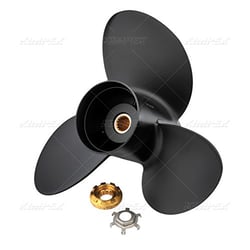
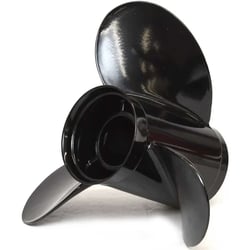
Solas 5311-114-15 Amita 3 Blade Aluminum Propeller 11.4 x 15 RH for Tohatsu Nissan
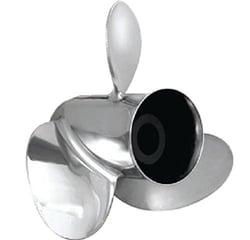
Turning Point Propellers 31301412 Express Mach3 10.4x14 3-Blade Stainless Steel Propeller RH

Turning Point Propellers 31301212 Express Mach3 10.8x12 3-Blade Stainless Steel Propeller RH
 Representative Photo, actual item may vary
Turning Point Propellers 3150 1542 Express Mach4 15x15 4-Blade Stainless Steel Propeller LH
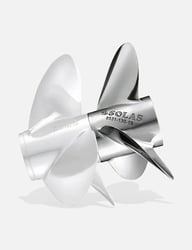
Solas 8551-139-21 Stainless Steel Rear Propeller for Volvo Penta DP280/DP290
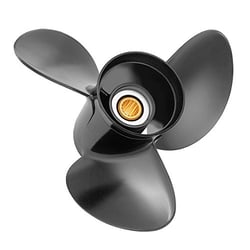
Solas 2111-090-10S Aluminum Propeller for Johnson/Evinrude 10-28HP 10 Spline
 Representative Photo, actual item may vary
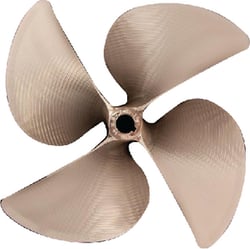
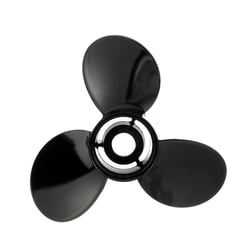
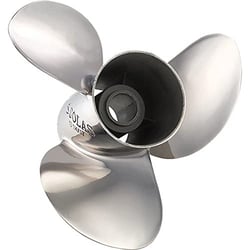
Solas 9551-145-21 Rubex HR3 Stainless Steel 3-Blade Propeller RH 14.5 x 21
What Are Acme Propellers?
A boat's propeller is its connection between engine power and forward motion — and getting that connection right makes all the difference on the water. Acme propellers are precision-engineered marine propellers designed to convert engine torque into thrust as efficiently as possible, whether you're pulling a wakeboarder, cruising open water, or trolling a quiet cove at dawn. The term "Acme propellers" refers to the broader category of high-tolerance, performance-oriented marine props built to exacting dimensional standards, rather than the looser tolerances of older cast or hand-finished designs.
Propellers in this category are available in a wide range of materials, blade counts, diameters, and pitch ratings to match virtually any boat and engine combination. Solas propellers, Quicksilver propellers, Turning Point propellers, and Minn Kota propellers each serve distinct corners of the marine market, giving boaters a dependable source for OEM replacements, performance upgrades, and specialty applications alike.
Why the Right Propeller Matters
Pitch and diameter are the two most critical propeller specifications. Pitch is the theoretical distance a propeller travels through water in one full revolution — a higher-pitch prop moves a boat farther per revolution but requires more torque to spin, while lower pitch provides stronger acceleration from a stop. Diameter affects how much water the blades can "grab" with each rotation. Matching these specs to your engine's power band and your hull's design determines whether your boat runs at its intended RPM range and achieves optimal fuel economy, hole shot, and top speed.
Blade count adds another dimension. A 3-blade propeller is the standard choice for top-speed performance and efficiency, while a 4-blade design delivers smoother operation, improved holding in turns, and better low-end thrust — particularly valuable for heavy boats or those loaded with ballast for wake sports. Material matters too: aluminum props offer affordability and flexibility that helps them resist impact damage, while stainless steel provides thinner blade profiles, greater rigidity, and measurably better performance at higher speeds.
Top Brands in Acme Propellers
Solas is the dominant name in this category for good reason. Founded in the mid-1980s, Solas has grown into one of the most recognized propeller brands in the world, producing both aluminum and stainless steel props for outboard and stern-drive engines. Their aluminum propellers are made using an advanced squeeze casting process that results in denser, less porous blades than traditional die-cast competitors, and every prop receives up to four layers of performance paint for superior corrosion resistance. Their Rubex interchangeable hub system is a standout feature, using rubber — not plastic — to absorb gear-shift shock and impact loads, protecting the lower unit and allowing the hub to be reused even when a blade is damaged.
Quicksilver brings the engineering pedigree of Mercury Marine to the aftermarket, offering props that are designed to the same specifications as Mercury's OEM components. Boaters running Mercury or MerCruiser powerplants often find that Quicksilver props are the most seamless replacement option available, with dialed-in hub geometry and pitch consistency straight from the factory.
Turning Point Propellers has carved out a loyal following among boaters who want stainless steel performance without the premium price tag. Turning Point props are built with a focus on acceleration and mid-range thrust, making them a popular choice for pontoon boats, fishing rigs, and recreational runabouts where snappy hole shot and steady cruising matter more than outright top speed.
Minn Kota rounds out the category with propellers engineered specifically for electric trolling motors. These quiet, weed-resistant props are designed around the unique demands of low-speed precision maneuvering — a fundamentally different performance brief than outboard props, and one Minn Kota has refined across decades of trolling motor development.
Choosing the Right Prop for Your Boat
- Match pitch to your engine's target RPM range — consult your engine manual for the recommended wide-open-throttle RPM band.
- Consider blade count — 3 blades for speed and efficiency; 4 blades for smoothness, heavy loads, and wake sports.
- Choose material wisely — aluminum for budget-conscious everyday boating; stainless steel for performance-oriented or high-hour use.
- Check hub compatibility — different engine brands require specific hub systems; always verify fitment before ordering.
- Account for application — skiing, wakeboarding, cruising, and fishing each favor different prop characteristics.