



Bait Tanks
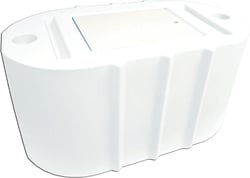

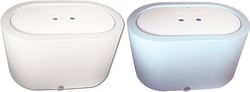
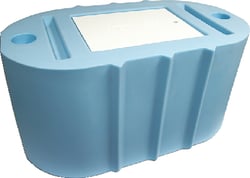
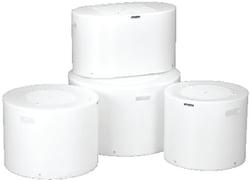

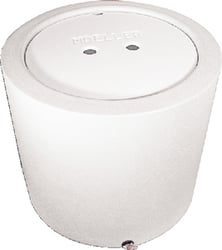
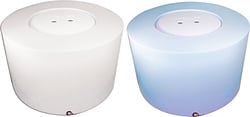
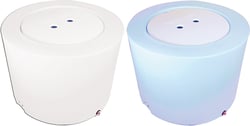
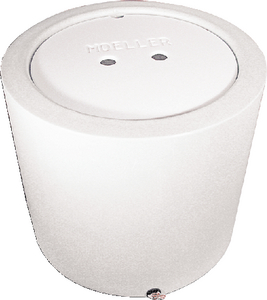 Representative Photo, actual item may vary
What Are Bait Tanks and Why Do They Matter?
A bait tank — also called a livewell — is one of the most important pieces of gear any serious angler can have aboard a fishing boat. At its core, a bait tank is a purpose-built container designed to keep live bait, such as shrimp, minnows, shiners, or mullet, alive, healthy, and actively swimming for as long as possible. The difference between a lethargic, oxygen-deprived baitfish and a lively, darting one can make or break a day on the water. Predator fish are instinctively drawn to natural, active movement — and a quality bait tank is what keeps that movement going.
How Bait Tanks Work
Modern bait tanks are more than just buckets of water. They rely on a combination of water circulation, aeration, and filtration to replicate the oxygenated, flowing conditions that baitfish need to survive. Most systems use an electric aerator pump or a recirculating pump to continuously oxygenate and move the water, preventing the oxygen depletion that quickly kills live bait. Some tanks use a flow-through design that draws fresh water directly from the body of water you're fishing, while others operate as closed, recirculating systems — ideal for freshwater anglers who need to carry their water with them.
Choosing the Right Bait Tank
Selecting the right bait tank comes down to several key factors:
- Capacity: Tank size is typically measured in gallons. Smaller tanks (5–15 gallons) work well for a handful of baitfish on a kayak or small skiff, while larger setups (20+ gallons) are better suited for full-size center consoles or when you need to carry a large quantity of live bait throughout the day.
- Aeration System: Look for tanks with reliable, adjustable aeration. Spray bars, bubblers, and venturi-style aerators each distribute oxygen differently. High-density bait loads demand more aggressive aeration.
- Portability vs. Permanent Mount: Some bait tanks are designed for permanent installation into a boat's console or gunwale, while others are portable and can move from vessel to vessel or even be used on a dock or pier.
- Construction Material: High-density polyethylene (HDPE) and marine-grade plastics resist UV degradation, saltwater corrosion, and impact — critical for any gear that lives on a boat.
- Insulation: In warm climates, insulated walls help maintain cooler water temperatures, which hold more dissolved oxygen and dramatically extend bait life.
- Drainage and Cleaning: Look for tanks with easy-access drain plugs and smooth interior surfaces to simplify cleaning between trips — a step that prevents bacterial buildup that can quickly kill bait.
Bait Tanks for Saltwater vs. Freshwater Fishing
The environment you fish in matters when choosing a bait tank. Saltwater anglers often favor flow-through systems that continuously cycle fresh ocean water, maintaining salinity and oxygen levels naturally. Freshwater anglers typically rely on recirculating systems with aggressive aeration, especially when targeting species like bass or walleye using shiners or suckers. Regardless of your fishing environment, investing in a quality bait tank is one of the most effective ways to improve your catch rate and spend less money constantly replacing dead bait.
Getting the Most Out of Your Bait Tank
Proper maintenance is as important as the tank itself. Avoid overstocking — too many fish in too small a space depletes oxygen rapidly. Use a dechlorinator when filling with tap water, keep the tank shaded when possible, and clean it thoroughly after every trip. With the right tank and a little care, your live bait will stay frisky from the moment you launch to the moment you land your catch.