



Barr Manifolds/Risers/Elbows
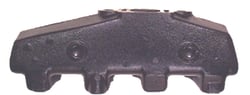
Barr Marine MC189011 Center Rise Exhaust Manifold for MerCruiser Big Block V8

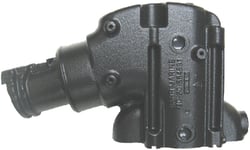
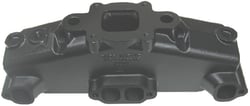
What Are Marine Exhaust Manifolds, Risers & Elbows?
Few components on an inboard boat engine carry as much responsibility—and receive as little attention—as the exhaust manifold, riser, and elbow. These three components form the backbone of your vessel's wet exhaust system, channeling hot combustion gases safely away from the engine and out of the boat while managing the critical flow of cooling water that keeps everything from overheating.
The exhaust manifold is the starting point: it bolts directly to the engine block and collects waste gases from each cylinder as the pistons fire. From there, gases travel into the riser or elbow. Barr manifolds, risers, and elbows are engineered as a system—each component playing a precise role in keeping exhaust gases and cooling water separated until the moment they safely mix and discharge overboard.
How the System Works: Manifolds, Risers, and Elbows Explained
A marine exhaust system is essentially a pipe within a pipe. The inner passage carries hot exhaust gases from the cylinders, while an outer water-jacket surrounds it with cooling water. This double-wall construction keeps exterior surfaces cool to the touch and prevents the exhaust hose downstream from burning through. At the end of the riser or elbow, the cooling water is injected into the exhaust stream, lowering temperatures dramatically before the gas-water mixture exits overboard.
- Exhaust Manifold: Bolts to the engine block and collects exhaust gases from each cylinder bank. V-configuration engines have one manifold per cylinder bank. Manifolds are typically water-jacketed for cooling.
- Riser: Connects to the manifold and routes the exhaust path upward—creating a high point above the waterline that prevents seawater from back-flowing into the engine. On low-mounted engines, the riser is a critical safety component.
- Elbow: Used when the engine sits high enough above the waterline that a full upward riser isn't required; the elbow redirects exhaust at a downward angle toward the exhaust hose. Some setups use both a riser and a separate elbow.
Why Replacement Matters: The High Cost of Neglect
Exhaust manifolds and risers are among the most failure-prone components on any inboard engine used in saltwater. The combination of hot exhaust gases and raw saltwater creates an aggressive corrosion environment that gradually degrades cast iron from the inside out. When the water-jacket wall corrodes through, cooling water can leak into the exhaust gas passage and—when the engine sits idle—seep backward into the cylinders. The result can be a hydro-lock condition or severe internal rust damage, often destroying an engine with little or no warning.
In saltwater environments, risers typically require inspection starting at two years and replacement every few years depending on use. Even freshwater boats should inspect these components periodically, as scale buildup inside risers can restrict water flow and lead to overheating. Manifolds on raw-water-cooled saltwater engines may see a lifespan of three to five years, while closed cooling systems can extend that considerably.
Wet Joint vs. Dry Joint: Understanding Design Differences
One important consideration when shopping for replacement manifolds and risers is the joint design. In wet joint systems, water and exhaust passages are in close proximity, which can increase the risk of water intrusion over time. Dry joint designs position water passages at greater distances from exhaust pathways and use separate gasket sections to isolate the two—a design upgrade that reduces the risk of water backflow and extends component life. If your boat currently uses an older wet joint system, upgrading to a dry joint design at replacement time is widely recommended by marine professionals.
What to Look for When Shopping
Selecting the right manifolds, risers, and elbows requires matching components precisely to your engine make, model, and displacement. Key considerations include:
- Engine compatibility: Parts are specific to engine families such as MerCruiser, Volvo Penta, OMC, Crusader, and others. Always verify the part fits your exact engine configuration.
- Material: Cast iron is the traditional and most common material for marine manifolds and risers, offering excellent heat control. Some applications use stainless steel or aluminum.
- Riser height: Extensions or spacer blocks may be needed on twin-engine setups or on boats where the engine sits low relative to the waterline, to ensure adequate height above the static waterline.
- Complete kits vs. individual components: Replacement kits that include manifolds, risers, spacers, gaskets, and mounting hardware simplify the job and ensure all mating surfaces seal correctly with new gaskets.
Whether you're performing routine preventive maintenance or addressing an overheating alarm, investing in quality exhaust manifolds, risers, and elbows is one of the most impactful steps you can take to protect your marine engine for seasons to come.