



Circulation & Air Conditioning Pumps
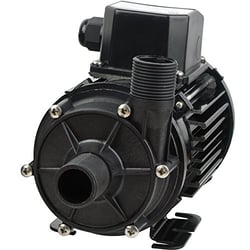

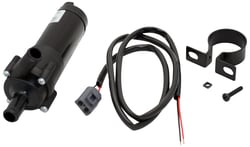
Johnson Pumps 102448803 CM Series Magnetic Drive Circulating Pump 12V 5.3 GPM

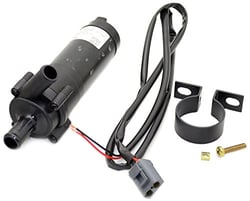
Johnson Pumps 10-24486-03 CM10P7-1 Magnetic Drive Circulation Pump 12V 4 GPM
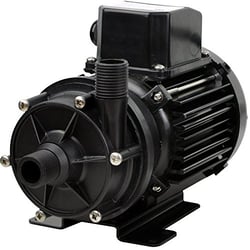
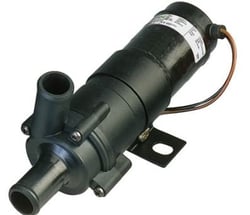
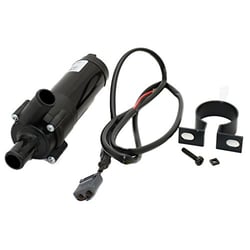
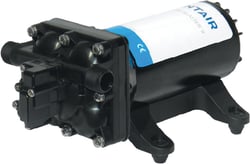

 Representative Photo, actual item may vary
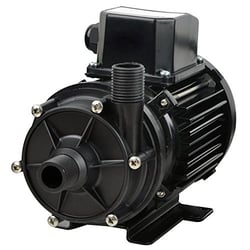
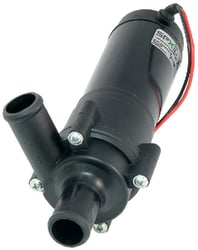
Johnson Pumps 102450403 CM Series Mag Drive Centrifugal Circulating Pump 6.9 GPM 12V
What Are Marine Circulation & Air Conditioning Pumps?
If you've ever spotted streams of water shooting from the side of a boat at a marina on a hot day, you've seen marine air conditioning in action. Circulation and air conditioning pumps are the workhorses behind every water-cooled marine and RV HVAC system — quietly moving seawater or coolant through the system so your cabin stays comfortable, no matter the conditions outside.
Unlike home or automotive air conditioners that dump heat into the surrounding air, marine AC systems take a fundamentally different approach. Rather than using air to cool the refrigerant, a seawater pump pulls cool water from below the waterline through a thru-hull fitting, runs it through the condenser coil to carry heat away from the refrigerant, and then sends that warmed water back overboard. This water-based heat exchange is far more efficient: water holds heat much better than air, allowing marine AC units to be more compact and energy-efficient than equivalent air-cooled systems.
The circulation pump — sometimes called a raw water pump, salt pump, or seawater pump — is the component that makes this all possible. Without a properly functioning pump, the entire cooling cycle breaks down. Any malfunction directly compromises the onboard air conditioning system, which is why pump quality, sizing, and installation are so critical.
Types of Marine Circulation Pumps
Understanding the different pump types helps you choose the right one for your vessel and installation:
- Submersible Magnetic Drive Pumps: These seal-less centrifugal pumps are designed to be installed in the bilge or areas with high moisture. They use a magnetically coupled impeller to eliminate shaft seals — reducing wear, potential leaks, and maintenance requirements. They can be installed below or above the waterline and are among the most common choices for marine AC applications.
- Non-Submersible / Above-Bilge Pumps: Intended for dry installations in closets, lockers, or other protected spaces. These pumps must be protected from direct water exposure but are a good choice when bilge mounting isn't practical.
- Centrifugal Direct-Drive Pumps: Featuring rugged bronze or stainless steel casings with easily replaced impellers, these pumps are built for continuous-duty operation and are well-suited to high-demand applications where longevity is paramount.
Choosing the Right Pump: Key Considerations
Selecting the correct circulation pump isn't just about picking any pump off the shelf — it requires matching several specifications to your specific system:
- Flow Rate (GPH): Pump sizing depends on your AC unit's BTU capacity. Smaller systems in the 6,000–9,000 BTU range typically need around 300 GPH, while 11,000–16,000 BTU units commonly call for 500 GPH. Larger multi-unit systems may require 1,000 GPH or more. Undersized pumps may prevent units from operating correctly, while oversized pumps may require flow regulation.
- Head Pressure: The vertical distance the pump must push water — from the intake through the system and back overboard — affects which pump can maintain adequate flow. Always verify the pump's maximum head rating against your installation's plumbing layout.
- Voltage: Marine circulation pumps are available in both 115V and 230V configurations. Confirm your vessel's power supply before purchasing.
- Installation Location: Whether your pump needs to be submersible (bilge-mounted) or non-submersible (closet-mounted) will narrow your options significantly. Some pumps can operate in either environment.
- Corrosion Resistance: Pumps used in saltwater environments must be built to withstand continuous exposure to corrosive conditions. Look for epoxy-encapsulated motors, non-metallic pump bodies, ceramic shafts, and stainless steel hardware.
- Noise: Circulation pumps often run for extended periods, especially in liveaboard or dockside situations. Magnetic drive and liquid-cooled designs tend to operate more quietly than older direct-drive models.
Maintenance & Reliability
Marine circulation pumps face tough operating conditions: continuous duty cycles, corrosive saltwater, biological growth, and debris ingestion are all real threats. Restricted water flow — caused by barnacles, algae, mud, or debris in the strainer — is one of the most common causes of marine AC failure. Regular cleaning of strainers, periodic inspection of the pump and hoses, and proactive pump replacement before failure are the best ways to avoid an uncomfortable breakdown on the hottest day of the year.
Whether you're replacing a worn-out pump, upgrading for better reliability, or outfitting a new build, choosing a purpose-built marine circulation pump rated for your system's BTU output and plumbing layout is essential for consistent, long-lasting performance on the water.