



Diesel Engine Oil
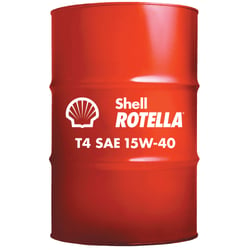
Shell Oil 550045148 Rotella T4 Triple Protection 15W-40 Heavy-Duty Diesel Engine Oil 55 Gallon Drum

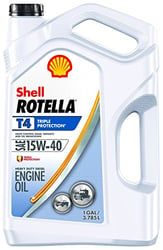
Shell Oil 550045126 Rotella T4 Triple Protection 15W-40 Heavy Duty Diesel Engine Oil 1 Gallon
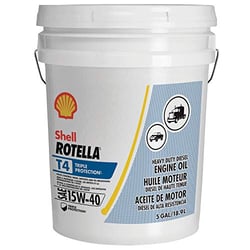
Shell Oil 550045128 Rotella T Triple Protection 15W-40 Heavy Duty Diesel Motor Oil 5 Gallon
Shell Oil 550049483 Rotella T4 Triple Protection 15W-40 Heavy Duty Diesel Engine Oil 1 Quart
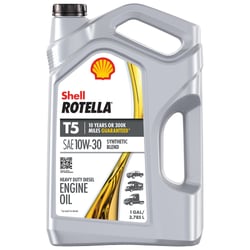
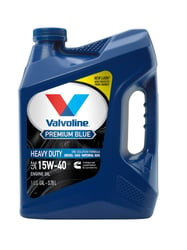

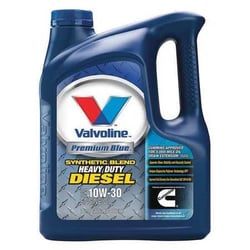
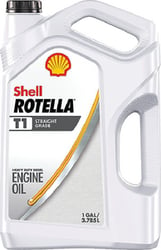
Shell Oil 550054447 Rotella T1 30 CF/SF Monograde Heavy Duty Diesel Engine Oil 55 Gallon Drum
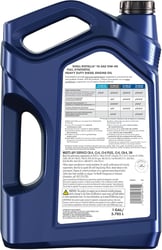
Shell Oil 550050467 Rotella T6 15W-40 Full Synthetic Diesel Engine Oil 1 Gallon
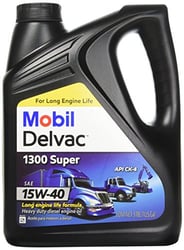
Mobil 122492 Delvac 1300 Super 15W-40 Synthetic Blend Diesel Engine Oil 1 Gallon

 Representative Photo, actual item may vary

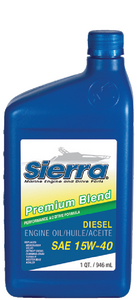 Representative Photo, actual item may vary
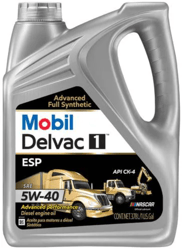
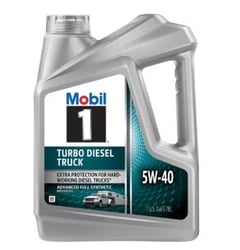
Why Diesel Engine Oil Matters for RV & Marine Applications
Diesel engines powering RVs, boats, and marine vessels operate under conditions that push lubricants to their limits. Unlike a daily-driven car, these engines frequently endure sustained high loads, extended idle periods, wide temperature swings, and — in marine environments — the constant threat of moisture intrusion. Using the right diesel engine oil isn't just a maintenance checkbox; it's one of the most important decisions you can make for the long-term health of your powertrain.
Diesel engine oil is a fundamentally different product from gasoline engine oil. It must handle the higher levels of soot and combustion byproducts that diesel compression-ignition engines produce. A proper diesel oil carries a robust additive package — including high-detergency chemistry to suspend contaminants, anti-wear agents, corrosion inhibitors, and oxidation stabilizers — that standard passenger car oils simply don't match. In the marine world, that moisture resistance is especially critical: temperature cycling and humid air allow water to accumulate in the crankcase, where it combines with combustion byproducts to form corrosive acids that attack internal components.
What to Look for When Shopping Diesel Engine Oil
- API Service Category: Look for current ratings such as CK-4 or CJ-4 for modern low-emission diesel engines. These ratings confirm the oil meets rigorous industry benchmarks for soot control, oxidation resistance, and wear protection.
- Viscosity Grade: Most marine and RV diesel engines in moderate-to-warm climates run best on 15W-40, though some newer engines specify 10W-30 or 5W-40 for improved cold-start protection. Always follow your engine manufacturer's recommendation.
- Synthetic vs. Conventional: Full-synthetic and synthetic-blend formulas offer advantages in thermal stability and extended drain intervals — particularly valuable in turbocharged marine diesels where heat is intense and oil changes are timed by operating hours rather than mileage.
- OEM Approvals: Many diesel engine builders — including Cummins, Detroit Diesel, Volvo Penta, and Mack — publish their own approval specs. Choosing an oil that carries those approvals ensures compatibility and protects your warranty.
Top Brands in Diesel Engine Oil
Motorcraft is Ford Motor Company's factory-recommended lubricant brand, and its Super Duty Diesel line is a go-to choice for operators running Ford Power Stroke-equipped RVs and diesel-powered vessels. Motorcraft's diesel oils are formulated with premium hydroprocessed base oils and meet a wide range of OEM approvals beyond Ford alone, including Cummins, Detroit Diesel, Volvo, and Mack specifications — making them a versatile option across many diesel platforms.
Red Line Oil brings a performance-oriented, fully-synthetic ester formula to the diesel engine oil category, offering the kind of protection that enthusiasts and demanding operators expect. Red Line's 15W-40 diesel oil is built for excellent wear protection and friction reduction across a wide range of operating conditions, with high detergency that supports extended drain intervals — a practical advantage for marine engines where oil changes are scheduled by the hour meter.
Diesel Engine Oil Change Intervals for RV & Marine Use
Unlike automotive applications measured in miles, marine diesel engine oil is typically serviced on an hour-based schedule. Most recreational vessel manufacturers recommend oil changes every 100–250 operating hours, depending on engine load and conditions. RV diesel engines generally follow the vehicle manufacturer's interval, but severe-duty use — mountain grades, high ambient heat, or extended idling — can shorten that window considerably. When in doubt, consult your engine manufacturer's service manual and consider periodic oil analysis to monitor wear metal trends and remaining additive life.