



Drives, Gearcases & Transoms


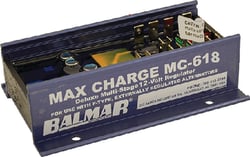

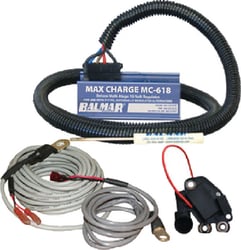
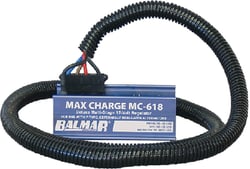
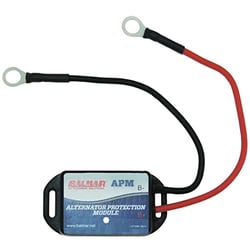
Balmar MC618VL01 Max Charge MC-618 Voltage Regulator with Temperature Sensor 12V

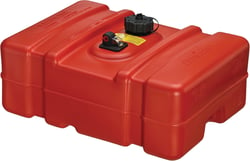



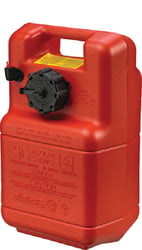
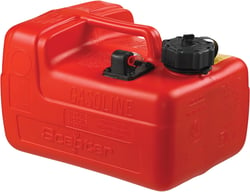
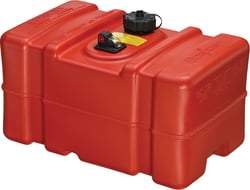


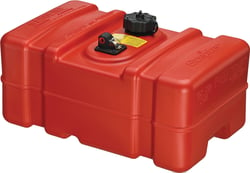
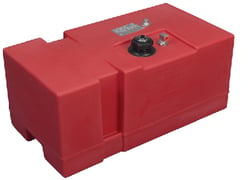
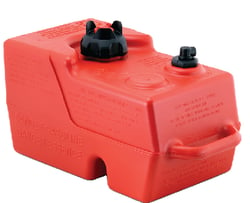
Moeller 031618 Topside Polyethylene Marine Fuel Tank for Center Console & Boston Whaler

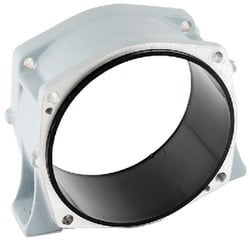
Water Sports 003-505 Jet Pump Housing for Yamaha 155mm with Replaceable Wear Ring
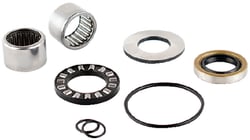
 Representative Photo, actual item may vary
Water Sports 003-720K Complete Jet Pump Assembly for Sea-Doo 1503 4-Tec 155.5mm
- 1
- 2
Understanding Marine Drives, Gearcases & Transoms
The drive system is the backbone of any powerboat's propulsion. Whether you're running a fishing skiff, a family bowrider, or a performance cruiser, the components in this category — drives, gearcases, and transoms — are what convert engine power into forward motion and translate steering input into precise boat control. Understanding each component helps you make smart maintenance and replacement decisions before a day on the water becomes a day on the dock.
What Is a Marine Drive?
A marine drive transfers engine power to the propeller. The type of drive your boat uses depends entirely on the propulsion system it was built around. Sterndrive (inboard/outboard) systems are among the most popular configurations for mid-size recreational boats. As the name suggests, a sterndrive combines the best of both worlds: an inboard engine paired with an outboard-style drive unit mounted through the transom.
In a sterndrive setup, the engine sits just forward of the transom while the drive unit — also called an outdrive — lies outside the hull. The outdrive carries power from the inboard engine, typically mounted above the waterline, outboard through the transom and downward to the propeller below the waterline. Steering is accomplished by pivoting the outdrive itself, eliminating the need for a separate rudder. This design offers excellent low-speed maneuverability, a clean transom, and a full-width swim platform — features that make it a favorite for family boats and express cruisers in the 18- to 30-foot range.
The Role of the Gearcase
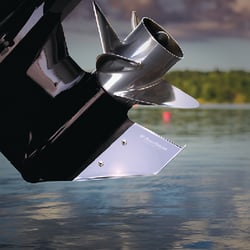
The gearcase — also referred to as the lower unit — is the housing that contains the gear set, driveshaft, prop shaft, and associated seals and bearings responsible for redirecting rotational power at a 90-degree angle to spin the propeller. In a sterndrive, the outdrive is composed of two sub-units: an upper portion containing a driveshaft connected through the transom to a gearbox, and a lower portion that transmits power through another 90-degree gearbox to the propeller shaft.
Gearcases endure some of the harshest operating conditions of any marine component — constant immersion, sand and debris ingestion, corrosion from fresh and saltwater, and the shock loads of striking underwater obstacles. Regular inspection of gear lube for signs of water intrusion and metal particles is one of the most important maintenance steps a boat owner can perform. A failing seal can allow water into the gearcase, leading to rapid gear and bearing failure if not addressed quickly.
Why Transoms Matter
The transom is the flat or slightly curved vertical surface at the back of the vessel. It is essential as it supports mounting outboard motors, sterndrives, and other marine components — and a well-designed, structurally sound transom ensures safe motor performance, better structural integrity, and overall durability of the vessel. Transom assemblies in sterndrive applications include the bellows, gimbal housing, gimbal bearing, and seals that create a watertight passage for the drive shaft while allowing the drive unit to pivot for steering and trim.
Worn or cracked transom bellows are one of the leading causes of sterndrives sinking at their slips, as the bellows seal the opening between the hull and the outdrive. Regular inspection and replacement of bellows — typically every three to five years — is essential preventive maintenance for any inboard/outboard boat.
What to Look for When Shopping
- Compatibility: Drive systems are highly model-specific. Always match the replacement part to your engine's make, model, and serial number range.
- Material & Corrosion Resistance: Saltwater environments demand components with superior corrosion protection. Look for anodized aluminum housings and sacrificial zinc or aluminum anodes.
- Gear Ratio: Gearcases are available in multiple gear ratios. The correct ratio affects propeller RPM, boat speed, and fuel efficiency, so matching your existing ratio is critical unless you are intentionally re-powering or re-propping.
- OEM vs. Aftermarket: OEM parts ensure a precise fit, while quality aftermarket options can offer comparable performance and durability, often with competitive pricing and strong warranty coverage.
- Complete Assemblies vs. Components: Depending on the extent of wear or damage, you may need a complete drive or gearcase assembly, or just seals, bearings, and gaskets. Assess the full condition of your lower unit before deciding on a repair-vs.-replace approach.
Whether you're replacing a worn gearcase after a season of hard use, rebuilding a transom assembly, or upgrading to a high-performance outdrive, shopping this category with the right specifications in hand will save time and ensure a reliable return to the water.