



Engine Flushes

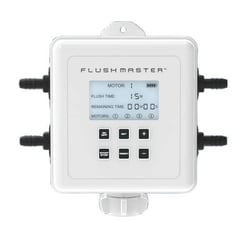
SeaMule SM-FM4007 Flushmaster 4-Outlet Automated Outboard Flushing System with Four 7' Hose Kits

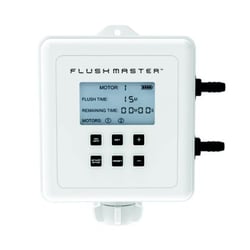
SeaMule SM-FM2012 FlushMaster 2-Port Outboard Engine Flushing System with 12ft Hoses
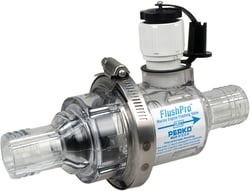

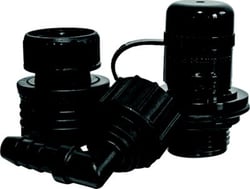
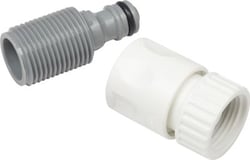

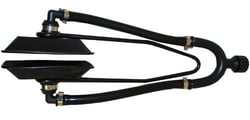
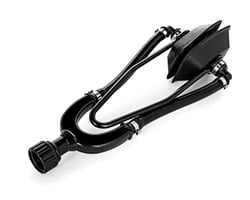


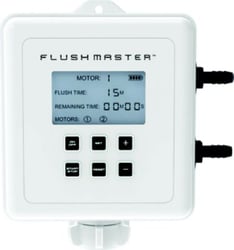
SeaMule SM-FM4020 FlushMaster 4-Port Engine Flushing System with Dual 20ft Hoses
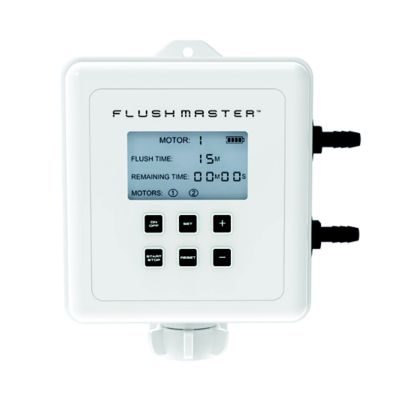 Representative Photo, actual item may vary
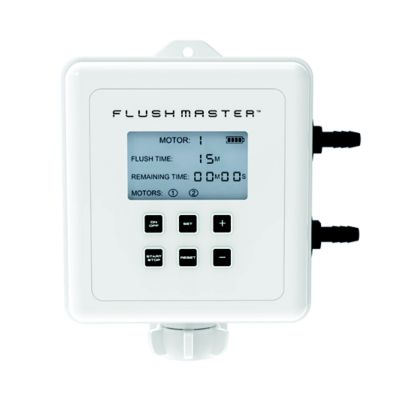 Representative Photo, actual item may vary


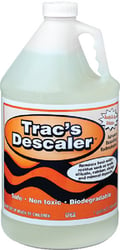
Trac Outdoor 1212MG Ecological Descaler Fresh Water Scale Remover 1 Gallon Concentrate

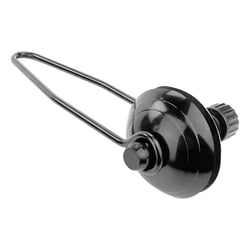

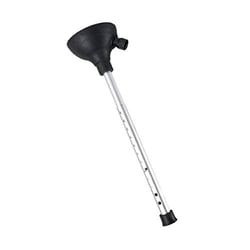

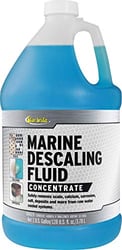
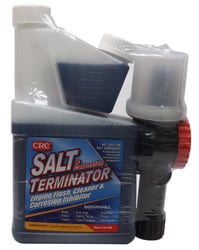
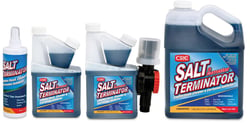
CRC Industries 1007976 Salt Terminator Engine Flush Cleaner & Corrosion Inhibitor with Mixer - 32 oz
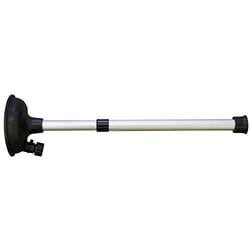
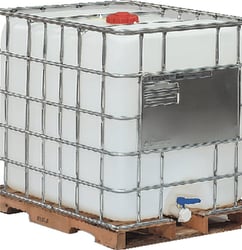

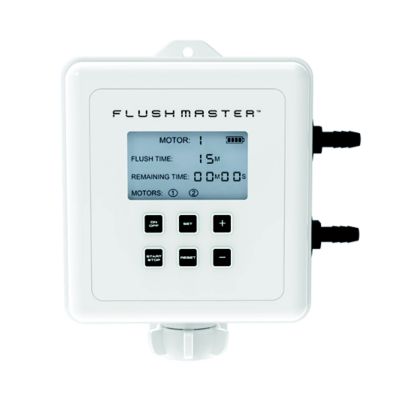 Representative Photo, actual item may vary
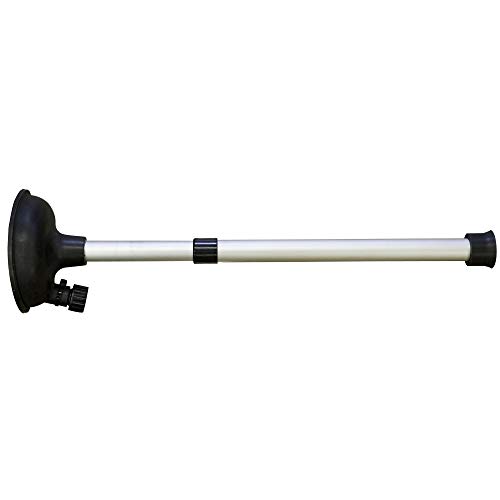 Representative Photo, actual item may vary

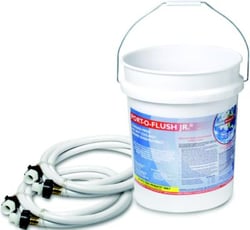
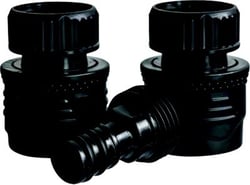
SeaMule SM-FMQCY FlushMaster Quick Connect Flushing System for Yamaha Outboards
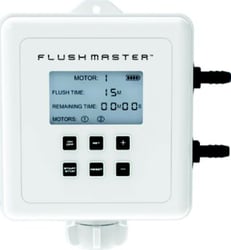
SeaMule SM-FM4012 FlushMaster 4-Port Automated Outboard Flushing System with 12 ft Hoses
Why Engine Flushes Matter for Marine and RV Engines
Every boater who runs in saltwater, brackish water, or silty conditions is fighting an invisible battle inside their engine's cooling system. Engine flushes are one of the most important — and most overlooked — forms of preventive maintenance you can perform on a marine or RV engine. Understanding what these products do, and why skipping them is a costly mistake, starts with understanding how raw-water-cooled engines actually work.
A raw-water-cooled marine engine draws in the surrounding water — whether salt, brackish, or fresh — to circulate through the engine and dissipate heat. The downside is that every trip also pulls in salt crystals, sand, and mineral scale that accumulate inside cooling passages, heat exchangers, and exhaust systems. Over time, these deposits restrict water flow, cause overheating, corrode metal components, and damage water pump impellers. When stagnant saltwater sits inside cooling passages, it can become oxygen-deprived and acidic, accelerating corrosion of zinc anodes, heat exchangers, and internal metal surfaces.
Engine flush products address this problem in two ways. Freshwater flushing kits — muffs, adapters, and inline fittings — make it physically easy to run clean water through the cooling system after every outing, displacing saltwater before it can dry and harden into scale. Chemical descaling flushes go a step further, using specially formulated solutions to dissolve existing calcium deposits, corrosion, and carbon buildup that plain water cannot remove. Most outboard and sterndrive manufacturers recommend a freshwater flush after every use in saltwater, and a chemical descaling treatment when deposits have already built up.
What to Look for When Shopping Engine Flushes
- Compatibility: Make sure any flush kit or chemical is rated for your engine type — outboard, inboard, sterndrive, or PWC — and that fittings match your motor's intake or flush port.
- Chemical vs. plain water: Plain freshwater flushing prevents new buildup; descaling chemicals are needed to remove existing scale, calcium, and corrosion.
- Safe for engine components: Quality flush formulas are designed not to harm seals, gaskets, or rubber impellers — always confirm this before use.
- Ease of use: Inline adapters, ear muff–style flushing attachments, and hose-compatible kits make regular flushing faster and more convenient, increasing the odds you'll actually do it after every trip.
Top Engine Flush Brands
Star Brite is a long-trusted name in marine maintenance, offering both salt-removal flush solutions and dedicated descaling formulas. Their Descaling Motor Flush is engineered to remove scale, calcium deposits, corrosion, salt, and carbon buildup from marine engine cooling and wet exhaust systems — without damaging seals, gaskets, or rubber impellers. Star Brite also offers complete DIY descaling kits that include a tank, valve, and hose for a full system flush.
Quicksilver, the official parts and accessories brand of Mercury Marine, produces engine flushing kits designed specifically for Mercury and Mariner outboards as well as MerCruiser sterndrives. Their flush kits allow owners to run freshwater directly through internal raw-water-cooled components, and Quicksilver recommends flushing after every use in saltwater — making their kits an essential part of any Mercury engine owner's maintenance routine.
FJC rounds out the lineup with practical flushing solutions aimed at marine and automotive applications, offering accessible options for owners who need reliable, no-fuss engine flush products across a range of cooling system types.
SeaMule is a specialized marine maintenance brand focused on delivering targeted solutions for keeping marine engines clean and protected, with products suited to the demands of saltwater and brackish-water environments.
Whether you run a bass boat on a freshwater lake or a center console through the open ocean, incorporating regular engine flushing into your maintenance routine is one of the most cost-effective ways to extend engine life, avoid overheating events, and protect your investment on the water.