



Fender Covers
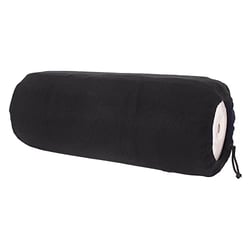

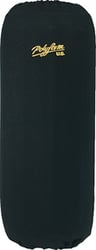

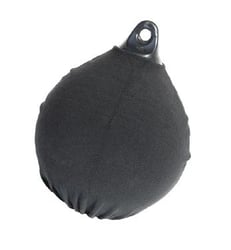
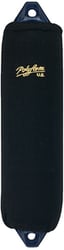
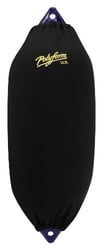
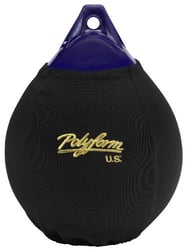
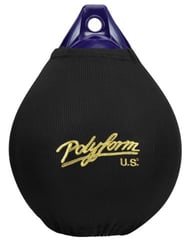
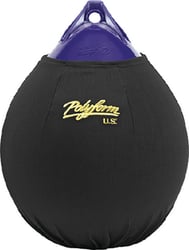
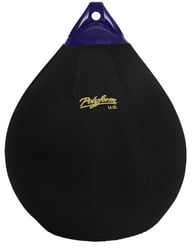
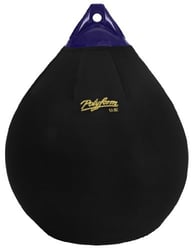
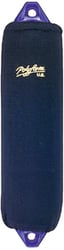
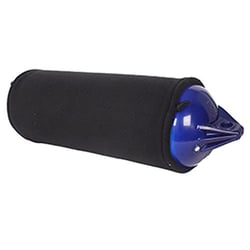
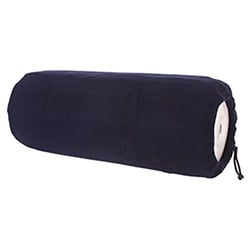
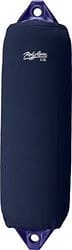
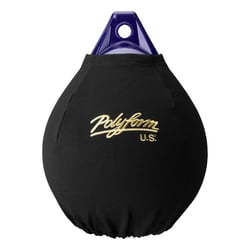
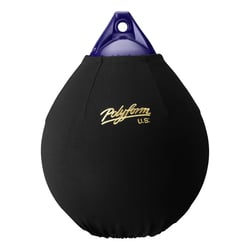
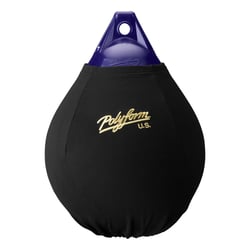
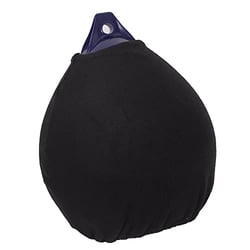
Polyform EFC-A3BLACK Elite Fender Cover for A-3 Ball Style Boat Fender - Black
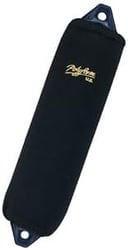
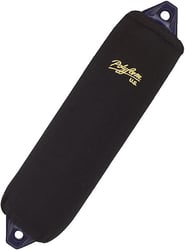
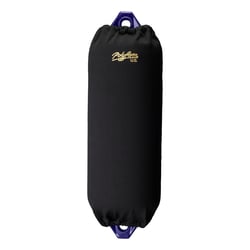
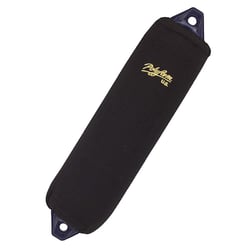
Polyform EFC-2BLACK Elite Fender Cover for G-5, HTM-2, F-2, NF-5 Fenders - Black
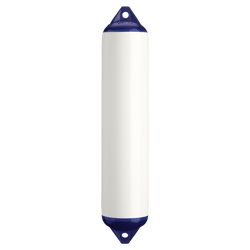
 Representative Photo, actual item may vary

- 1
- 2
What Are Fender Covers?
The word "fender cover" means something slightly different depending on whether you're at the dock or in the garage — but in both worlds, the job is the same: protect a valuable surface from scratches, scuffs, UV damage, and the daily grind of contact. Whether you're mooring a cruiser or wrenching on a weekend project car, a quality fender cover is one of the simplest and most effective pieces of protective gear you can own.
Marine Fender Covers: Hull and Gelcoat Protection
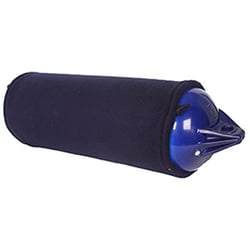
On the water, boat fenders are the bumpers that hang between your hull and the dock or another vessel. But the fenders themselves can become a problem: dirt, salt, and grime trapped on an unprotected rubber fender surface can act like sandpaper against gelcoat or painted topsides, especially on boats that spend extended time in a slip. A marine fender cover — sometimes called a fender sock — slips over the outside of your fender to add a soft fabric barrier between the fender and your hull.
Beyond hull protection, fender covers also shield the fenders themselves. UV rays can make unprotected vinyl fenders brittle and prone to cracking over time, and a good cover acts as a sacrificial layer that absorbs that solar abuse first. They also eliminate the squeaking and rubbing sounds that are common overnight at the marina.
When shopping for marine fender covers, fit is everything. Most covers are sized to match standard fender diameters and lengths, so always check that the cover corresponds to your specific fender model. Material matters too: acrylic and polyester blends offer excellent UV resistance and abrasion protection, while resisting water absorption so covers don't become waterlogged and heavy. Look for reinforced closures — drawstrings or marine-grade buckles beat flimsy elastic every time. Routine rinsing with fresh water and occasional machine washing will keep covers clean and working properly season after season.
Automotive Fender Covers: Workshop Protection
In the automotive world, a fender cover is a padded mat that drapes over a vehicle's front fender and engine bay while you work. It protects your paint from dropped tools, belt buckles, and accidental scratches — and gives you a flat, non-slip surface to rest wrenches, rags, and parts within easy reach. A good automotive fender cover is made from chemical-resistant material that won't degrade when it comes into contact with motor oil, brake fluid, coolant, or carburetor cleaner.
Top Brands in Fender Covers
Fender Gripper is the benchmark name in automotive fender covers. Their covers use a proprietary reinforced PVC foam construction with a non-slip backing that grips the fender firmly even at steep angles, and the material is fully resistant to petroleum-based chemicals. With a wide selection of officially licensed automotive logo designs, Fender Gripper covers are popular with both professional technicians and passionate enthusiasts.
HKS is a globally recognized performance brand, and their presence in this category speaks to the overlap between serious automotive work and quality shop accessories — a natural fit for enthusiasts who demand precision both under the hood and in their workspace.
Master Fender Covers is a dedicated marine brand with a focused mission: protecting boat hulls and topsides from fender-related scuffing and the costly gelcoat repairs that follow. Their covers are made in the USA from a premium, stain-resistant, loop-knit acrylic blend designed to be both durable and fade-resistant across multiple seasons.
Key Considerations When Choosing a Fender Cover
- Fit: Match the cover to your fender's exact size — marine covers by length and diameter, automotive covers by panel dimensions.
- Material: Acrylic and polyester resist UV and abrasion; PVC foam padding excels for automotive shop use.
- Chemical resistance: Automotive covers should stand up to common fluids like oil, coolant, and brake fluid.
- Closures: Marine covers with drawstrings or marine-grade buckles stay put better than elastic-only designs.
- Maintenance: Choose washable covers — both marine and automotive versions benefit from regular cleaning to prevent debris from transferring to delicate surfaces.