



Fiberglass Tape, Cloth & Mat



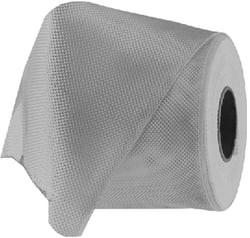
What Is Fiberglass Tape, Cloth & Mat?
Fiberglass tape, cloth, and mat are the foundational reinforcing materials used in the repair and construction of fiberglass boats, RVs, and composite structures. When saturated with resin and cured, these materials form a strong, waterproof composite that can restore structural integrity to hulls, decks, seams, and damaged panels. Whether you're patching a crack in a boat hull or rebuilding a rotted-out section of an RV wall, choosing the right fiberglass material for the job makes all the difference.
Understanding the Different Forms
Each type of fiberglass material serves a specific purpose in the repair or lamination process:
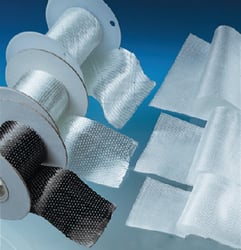
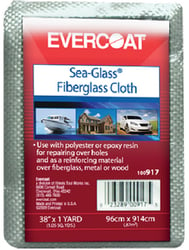
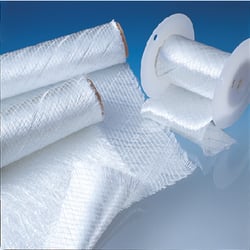
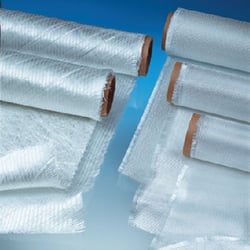
- Fiberglass Cloth — A woven fabric that provides high strength and a smooth finish, making it ideal for outer layers and surface repairs where a clean look matters.
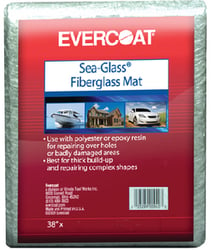
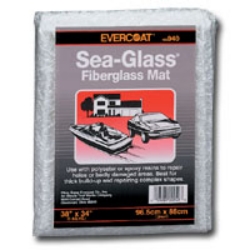
- Chopped Strand Mat (CSM) — Composed of randomly oriented short fibers, mat builds up thickness quickly and provides equal strength in all directions, though it requires more resin to saturate fully. It's the go-to choice for bulk build-up when repairing holes and badly damaged areas.
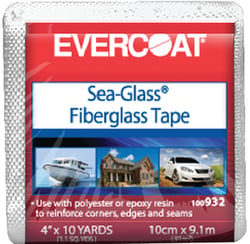
- Fiberglass Tape — A narrow, woven cloth tape with finished selvage edges to prevent fraying. It is ideal for reinforcing seams, chines, keels, corners, and edges — anywhere a full sheet of cloth would be overkill.
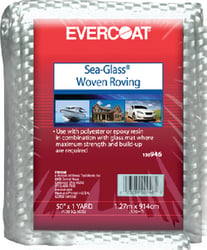
- Woven Roving — A heavier-weight woven material used where rapid build-up and maximum structural strength are needed, often layered in combination with cloth or mat.
Choosing the Right Resin
Fiberglass reinforcing materials must always be used with a compatible resin. Polyester resin is economical and easy to sand, making it popular for cosmetic repairs. Epoxy resin offers the strongest bond and superior water resistance, ideal for structural hull work. Vinylester resin falls in between, offering excellent corrosion resistance frequently used in marine hull repairs. Most fiberglass tapes and cloths are compatible with all three resin types.
Top Brands in Fiberglass Tape, Cloth & Mat
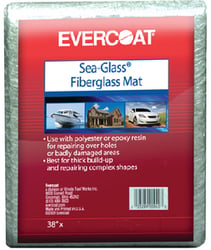
Evercoat is one of the most recognized names in marine fiberglass repair. Their Sea-Glass line covers the full spectrum — from narrow tape perfect for fiberglassing seams and keels to non-woven mat for bulk build-up in badly damaged areas, as well as high-strength flat-weave cloth designed for covering large surfaces. Evercoat products work with both polyester and epoxy resins, giving repair technicians maximum flexibility.
West Systems (WEST SYSTEM Epoxy) has been a cornerstone of marine composite repair since 1969, when the Gougeon Brothers developed their Wood Epoxy Saturation Technique. Their fiberglass cloth and repair kits are engineered for superior moisture resistance and high strength, and are trusted by both professional boatbuilders and DIY enthusiasts for structural repairs ranging from surface cracks to full hull restoration.
Dynatron Bondo brings well-known body repair expertise to fiberglass cloth tape — a slightly thinner alternative to mat that is easier to work with and easier to conceal during finishing. When used with compatible resin, Bondo fiberglass repairs are fully waterproof, making it a practical choice for boat, RV, tub, and pool repairs alike.
US Chemical offers professional-grade fiberglass repair solutions trusted in collision repair and marine maintenance environments, rounding out the professional end of the product lineup.
Fusor is a respected name in structural repair adhesives and composites, bringing professional-tier reinforcement materials to demanding marine and RV repair applications.
Tips for a Successful Fiberglass Repair
- Always wear gloves and a respirator when cutting and applying fiberglass materials — loose fibers are an irritant.
- Use sharp scissors or a rotary cutter to minimize fraying when cutting cloth or tape to size.
- Properly prepare the repair area by cleaning and sanding before applying any fiberglass material.
- Apply fiberglass cloth or tape after fairing and shaping, and before your final coating or gelcoat step.
- For structural repairs, consider layering mat and cloth together to achieve the desired thickness and strength.