



Fogging Oils




What Is Fogging Oil and Why Does It Matter?
Every boater and RV owner who stores their engine for the off-season faces the same silent threat: corrosion. When a marine or RV engine sits idle for weeks or months, moisture condenses on exposed metal surfaces inside the cylinder walls, piston rings, and valves. Fogging oil is the time-tested answer to this problem. It is a light, protective oil — typically delivered as an aerosol spray — that coats internal engine components with a micro-thin film, sealing out air and moisture before they can cause damage.
The name comes from the process itself: the oil is sprayed into the air intake or directly into each spark plug port, creating a fine mist that "fogs" every surface it touches — piston crowns, cylinder walls, valves, carb throats, and even bare exhaust ports. Once applied, that film blocks the cycle of condensation that etches the cylinder crosshatch, sticks piston rings in their grooves, and scores bore walls. Skipping this step is a gamble that can result in a costly engine rebuild just to undo damage that a single can of fogging oil would have prevented.
When Should You Use Fogging Oil?
Fogging oil is most commonly applied during end-of-season winterization, making it an essential part of any marine engine storage routine. It is particularly important for boats stored in regions where temperatures fluctuate significantly, where saltwater exposure has already primed metal surfaces for oxidation, or where the engine will sit unused for more than a month. Both 2-stroke and 4-stroke outboard and sterndrive engines benefit from proper fogging before extended storage.
Application is straightforward: warm the engine to operating temperature, then spray the fogging oil into the carburetor or air intakes while the engine is running, or remove the spark plugs and spray directly into each cylinder. The white smoke you see from the exhaust is confirmation the oil is circulating and coating internal components.
Key Considerations When Shopping for Fogging Oil
- Engine Type: Carbureted engines and EFI engines have different fogging requirements. Some carbureted-formula fogging oils contain wax-like substances that can clog fuel injectors, so always confirm compatibility with your engine type before applying.
- Delivery Format: Most fogging oils come in aerosol cans with extension nozzles for easy, targeted application. Look for cans with flexible tubes or plug-style nozzles that seat securely in spark plug holes for precise, mess-free cylinder treatment.
- Corrosion Inhibitors: Look for formulas that explicitly offer anti-corrosion protection, especially if your engine operates in saltwater environments where metal surfaces are more vulnerable.
- Engine Compatibility: Confirm the product is rated for your specific engine configuration — outboard, sterndrive, inboard, or RV application — and for both 2-cycle and 4-cycle use if applicable.
Top Fogging Oil Brands
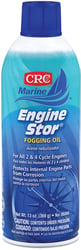
CRC Industries is one of the most recognized names in marine engine protection. Their flagship Engine Stor® Fogging Oil has been a cornerstone of the CRC Marine lineup since the 1970s and remains a top seller today. The Engine Stor formula protects outboard motors, marine engines, and internal combustion engines, and also guards electrical connections during storage — a valuable added benefit. The aerosol comes with a flexible extension tube designed to reach into tight spaces, making application cleaner and easier.
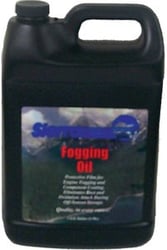
Sierra is a widely trusted brand among marine technicians and boat owners alike, with a product line engineered to meet the demands of high-horsepower engines in harsh marine environments. Sierra's fogging oil is specifically formulated for seasonal storage of outboard and sterndrive engines and is rated for both 2-cycle and 4-cycle use. Notably, Sierra's formula provides a protective chemical film without leaving a greasy residue — a detail that makes spring commissioning cleaner and easier.