



Hoses
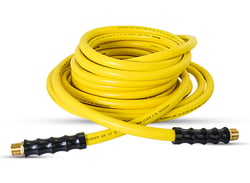
OilShield OS1250 1/2" x 50' Rubber Air Hose Assembly with Brass Fittings 300 PSI

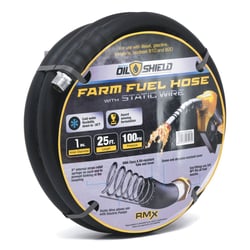
OilShield OSFHONE25 1" x 25' Farm Fuel Transfer Hose Assembly with Static Wire
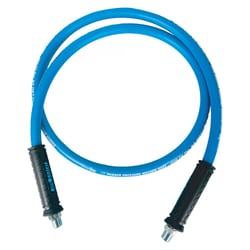
Blushield TTPW1203-NM Tough-Tek Rubber Pressure Washing Hose 1/2" x 3' Blue

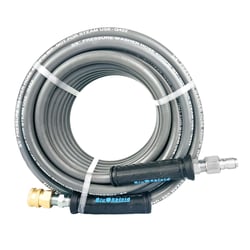
Blushield PWSW38200-CP 3/8" x 200' 4000 PSI Pressure Washer Hose Single Wire
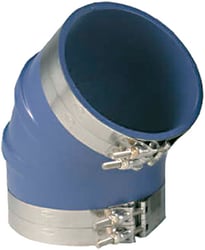

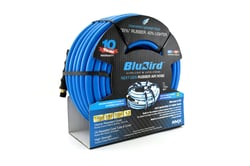

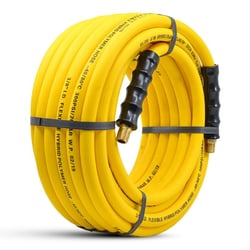

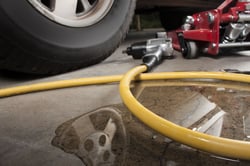
The Right Hose for Every Onboard System
Hoses are the unsung workhorses of any boat or RV. From the moment you hook up at a campground to the time you flush the bilge after a day on the water, hoses are quietly doing the heavy lifting — moving drinking water, waste, fuel, coolant, and raw water through a network of systems that keep your vessel or rig running safely. Choosing the wrong hose, or ignoring a worn one, can mean anything from a soggy bilge to a genuine safety hazard. Understanding what each type of hose is designed to do is the first step toward a reliable, well-maintained setup.
Types of RV & Marine Hoses
Not all hoses are interchangeable. Each application demands a hose engineered for its specific environment and media:
- Potable Water Hoses: Used to connect an RV or boat to a shoreside water supply, these hoses must be made from safe, non-toxic materials. Look for NSF/ANSI 61 certification and construction that is lead-free, BPA-free, and phthalate-free to ensure drinking water safety. Reinforced construction also helps them handle the 40–60 PSI pressures common in freshwater systems.
- Bilge Hoses: Designed for bilge pump intake and discharge, these hoses must resist oil, gasoline, diesel, saltwater, and other waste that collects in the lowest part of the hull. Corrugated polyethylene construction is common for its flexibility and chemical resistance, while smooth-bore options improve flow — corrugated hose can reduce flow by as much as 30% compared to smooth-walled alternatives.
- Livewell & Baitwell Hoses: Flexible hoses rated for full vacuum service, these keep live bait and catch fresh by circulating raw water. They must resist mild chemicals and saltwater and are often used for below-waterline connections.
- Sanitation Hoses: Marine sanitation hose must be tough, flexible, and highly resistant to odor permeation and toilet chemicals. Smooth-bore, heavy-wall construction is strongly preferred — corrugated types can trap waste and restrict flow. These hoses handle connections from marine heads to holding tanks, pump-out lines, and vent lines.
- Exhaust & Water Hoses: Used to route engine cooling water and exhaust gases overboard, these hoses must endure heat, pressure, and constant exposure to raw water and engine effluent.
- Fuel Hoses: Marine fuel hoses are built to strict USCG and SAE standards (such as SAE J1527) to safely handle gasoline and diesel fuel under pressure, with barrier linings to minimize permeation.
Material Matters: What RV & Marine Hoses Are Made Of
The material of a hose determines its durability, flexibility, and chemical resistance. PVC is widely used for sanitation and bilge hoses due to its chemical resistance and durability in wet environments. Vinyl hoses are lightweight and flexible, well suited for bilge and sanitation runs. Nylon reinforcement adds strength and resistance to harsh chemicals and pressure, while stainless steel wire or spiral reinforcement allows hoses to handle full-vacuum suction without collapsing.
Key Factors When Choosing a Hose
Selecting the right hose comes down to matching the product to the job:
- Inside Diameter (ID): Hoses are sized by their inside diameter. The ID must match the fittings on your pump, through-hull, deck fill, or tank — using the wrong size risks leaks or reduced system efficiency.
- Flexibility & Bend Radius: Hoses routed through tight spaces must flex without kinking, which can restrict flow or cause premature failure. This is especially critical for sanitation and bilge runs.
- Reinforcement: For pressurized freshwater systems and fuel lines, reinforced hoses handle higher pressures and resist collapse under suction.
- Chemical & UV Resistance: Marine and RV environments are harsh. Choose hoses rated for saltwater, UV exposure, and the specific chemicals they'll contact — whether that's fuel, holding tank effluent, or engine coolant.
- FDA Approval: For any hose handling potable water or livewell applications, FDA-formulated materials ensure the hose won't impart taste, odor, or harmful substances.
Maintenance: Don't Wait for a Failure
Hose maintenance is one of the most overlooked aspects of RV and marine upkeep. Deterioration over time leads to cracks and leaks that can compromise safety — a leaking fuel hose is a fire hazard, while a failed sanitation hose creates a serious health risk. A damaged bilge hose can cause pump system failure at exactly the wrong moment. Regular inspection, proper installation with marine-grade clamps, and prompt replacement at the first signs of wear are the best ways to keep every system aboard running reliably.