



Ignition Switches
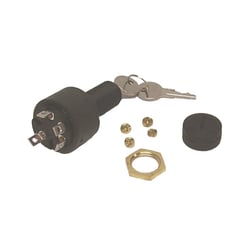

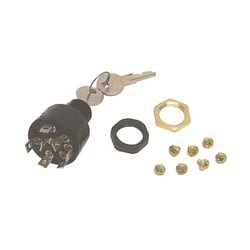
Sierra MP41010 Marine Ignition Starter Switch 4 Position 7 Screw Terminal 12V 15A
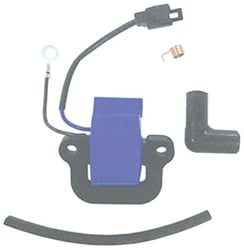
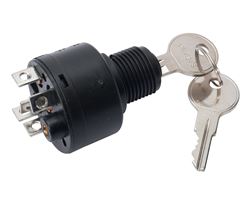
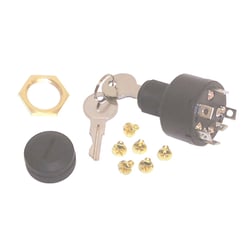
Sierra MP39730 Magneto Ignition Starter Switch 4 Position 7 Screw Terminal 12V 15 Amp
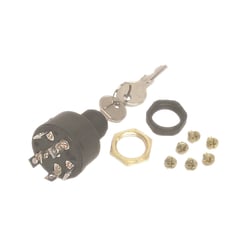
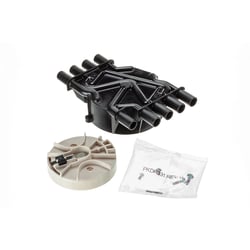
Quicksilver 8M0061335 Distributor Cap and Rotor Kit for MerCruiser V8 MPI Engines

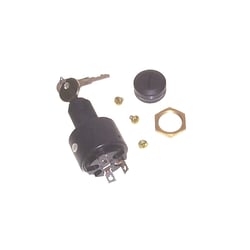
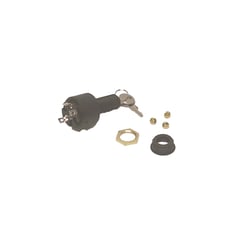
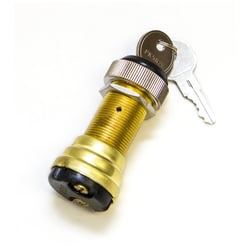
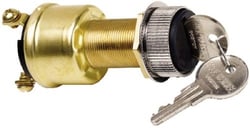

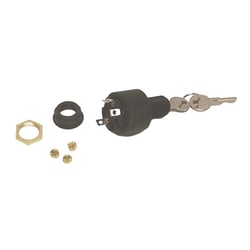
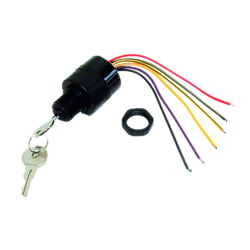
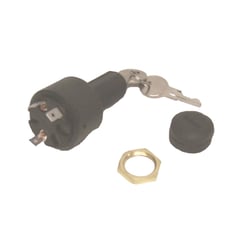
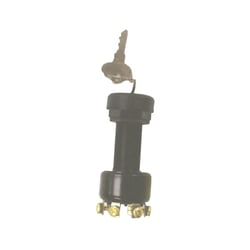
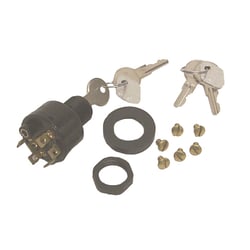
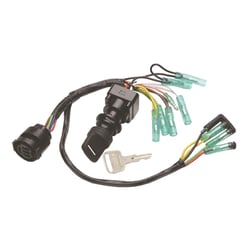
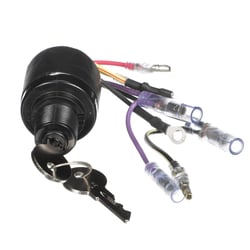
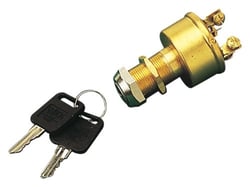
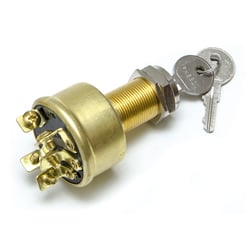
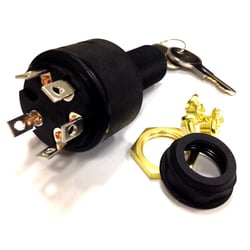
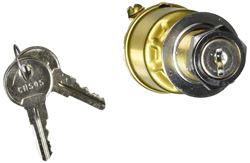
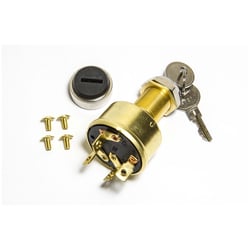
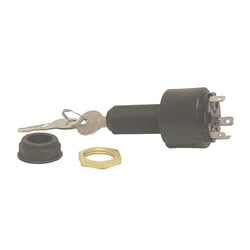
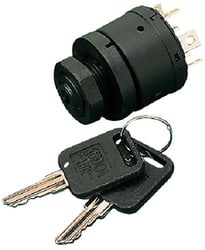

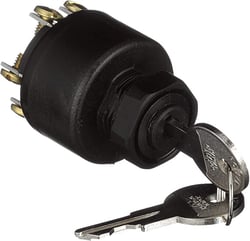
Seachoice 11651 Johnson/Evinrude 3-Position Ignition Starter Switch with Push to Choke

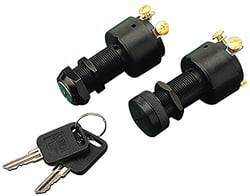
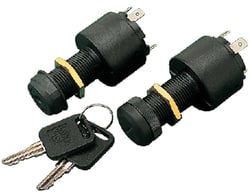
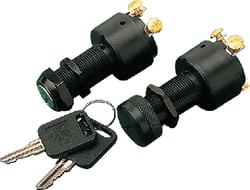
What Is a Marine or RV Ignition Switch?
The ignition switch is one of the most fundamental components in any boat or RV electrical system. It serves as the command center for your engine's starting sequence, controlling not only when and how the engine cranks but also managing power flow to accessories, gauges, and safety circuits. A failed or worn ignition switch can leave you stranded on the water or at a campsite — making it a part that deserves careful attention when it comes time for replacement.
On most outboard and inboard marine engines, the ignition switch is a keyed rotary device mounted to the helm or dashboard panel. It typically features multiple positions — commonly Off, Run/On, and Start — that correspond to different electrical states of the engine and vessel systems. Many switches also include an Accessory position that powers onboard electronics like radios, GPS units, and instrument gauges without engaging the ignition circuit itself. Some outboard applications additionally require a push-to-choke or push-to-prime function built into the key, which activates the engine's priming system during cold starts.
Why Marine-Grade Construction Matters
Unlike a typical automotive ignition switch, marine and RV ignition switches are engineered to survive punishing environmental conditions. Salt spray, UV exposure, humidity, vibration, and temperature swings can quickly degrade components that aren't purpose-built for the task. That's why quality marine ignition switches are constructed from corrosion-resistant materials and rated to handle the current demands of high-horsepower marine engines. When shopping for a replacement, look for switches rated at 15 amps or more for the ignition circuit and 30 amps for the solenoid circuit — specifications common in reputable marine-grade products.
Key Considerations When Choosing an Ignition Switch
- Switch Position Configuration: Match the number of positions (3-position or 4-position) to your engine type. Outboards, inboards, and sterndrives often have different wiring and circuit requirements.
- Magneto vs. Conventional Ignition: Older outboards with magneto ignition systems require switches with M-terminal grounding circuits, while battery-ignition engines like most inboards use a conventional design. Using the wrong type can prevent the engine from shutting off properly.
- Panel Thickness and Hole Size: Ignition switches must match the cutout hole size (commonly 3/4" or 7/8") and accommodate the panel thickness where they'll be installed — typically up to 1-1/8" maximum.
- Key Compatibility: If your vessel has multiple ignition stations, ordering switches keyed alike from the same manufacturer simplifies day-to-day operation.
- Corrosion Resistance: Prioritize switches with brass hardware, glass-filled polyester bodies, and sealed or waterproof construction for long-term reliability in marine environments.
Top Brand: Sierra
Sierra is a widely respected name in marine aftermarket ignition components, with a product catalog that spans both outboard and inboard applications. Sierra ignition switches are built from marine-grade glass-filled polyester with brass hardware for maximum corrosion protection. Sierra supplies OEM engine manufacturers and boat builders directly, and all of their switches are engineered to meet or exceed the original equipment parts they replace — making them a go-to choice for confident, drop-in replacements on Mercury, OMC, and other popular engine platforms.