



Light Sockets

What Are Light Sockets and Why Do They Matter?
Light sockets are the unsung heroes of any electrical lighting system — the small but critical connectors that hold bulbs securely in place and deliver the electrical current needed to power them. Whether you're keeping navigation lights functional on the water, maintaining cabin lighting inside an RV, or restoring tail, brake, or turn signal lights on a vehicle, a failed socket is often the root cause of mysterious bulb failures. Corrosion, heat cycling, vibration, and moisture can all degrade sockets over time, making reliable replacements an essential item in any maintenance kit.
Marine and RV Applications: A Harsh Environment for Electrical Components
In marine and RV environments, light sockets face conditions that go far beyond typical automotive use. Salt spray, humidity, UV exposure, and constant vibration from road travel or wave action accelerate wear on plastic housings and metal contacts alike. For boaters, navigation lights are not merely a convenience — they are a legal requirement under U.S. Coast Guard regulations. A corroded or cracked socket can cause intermittent failures at the worst possible moment. When shopping for marine light sockets, look for components with UV-stabilized polymer housings, brass or corrosion-resistant metal contacts, and waterproof or weather-resistant designs that can handle the elements long-term.
Key Considerations When Buying Light Sockets
- Bulb compatibility: Sockets are matched to specific bulb types (bayonet, wedge, festoon, etc.). Always verify the bulb base style before purchasing.
- Voltage rating: Marine and RV applications typically run on 12V, 24V, or 32V DC systems. Confirm the socket's voltage and amperage rating matches your system.
- Material and corrosion resistance: Brass contacts and UV-stabilized polymer bodies hold up far better in wet or outdoor environments than bare steel or standard plastic.
- OEM fit: For vehicle applications, using a socket designed to match your original part number ensures a drop-in fit with no wiring modifications.
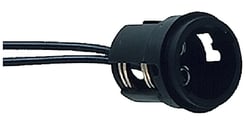
- Single vs. double contact: Double-contact bayonet sockets support bulbs with two circuits (e.g., stop/tail), while single-contact styles are suited to single-function lights.
Top Brands in Light Sockets
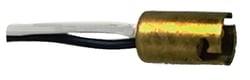
Perko is one of the most recognized names in marine lighting hardware, with a history of producing navigation lights and associated components dating back over a century. Their bulb sockets — including bayonet-style double-contact designs with brass springs and polymer bodies — are built specifically for the demands of marine environments, including UV stabilization and multi-voltage compatibility across 12V, 24V, and 32V DC systems.
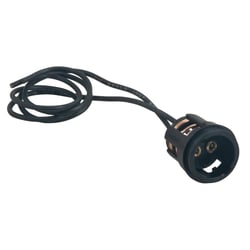
Standard Motor Products brings decades of ignition and electrical engineering expertise to the light socket category. Their light socket repair assemblies are designed to fix or replace factory bulb connections throughout a vehicle — from dome lights and instrument panels to taillights and turn signals — restoring OE performance without the need for custom wiring.
Mopar Performance delivers factory-specification electrical components for Chrysler, Dodge, Jeep, and Ram vehicles, making their light sockets a go-to choice for owners who want assured fitment and OEM-grade quality for their specific platform.
TYC is a globally recognized manufacturer with over 40 years of experience in automotive lighting. Their components are subject to rigorous testing procedures and are built to meet or exceed DOT/SAE standards, making them a dependable aftermarket option for drivers seeking OE-comparable fit and function.
ACDelco is a trusted OEM supplier with deep roots in GM vehicle systems, offering light sockets engineered to original equipment specifications for a wide range of domestic cars, trucks, and SUVs.