



Mooring & Fishing Buoys
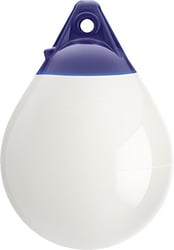

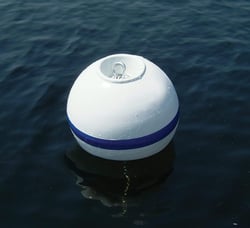

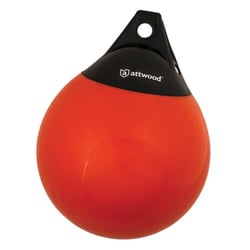

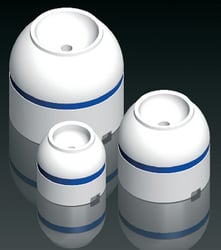
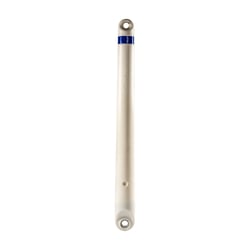
Cal June Buoys 4202-T-2 1/2" Jim-Buoy Pendant Buoy White with Blue Reflective Tape

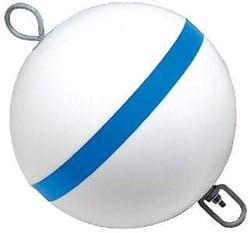
Taylor Made 22172 Sur-Moor Traditional Mooring Buoy 18 Inch White with Blue Reflective Stripe
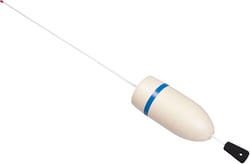


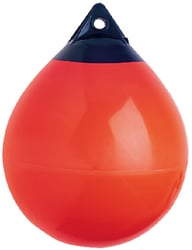
 Representative Photo, actual item may vary
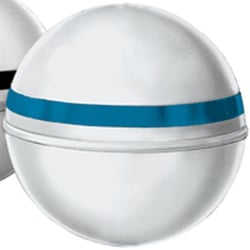
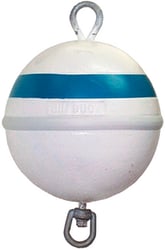
Cal June Buoys 4204-T-3" Jim-Buoy Pendant Buoy - White With Blue Reflective Tape
Cal June Buoys 4203-T-3" Jim-Buoy Pendant Buoy - White With Blue Reflective Tape
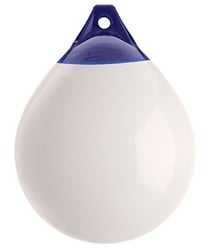
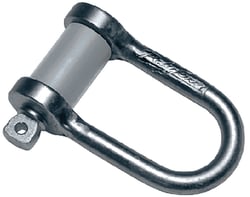
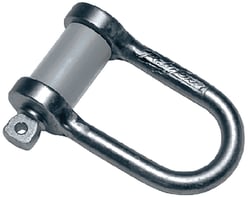
Polyform 21-554-162 A & F Series 1" Galvanized Steel Shackle with PVC Insert
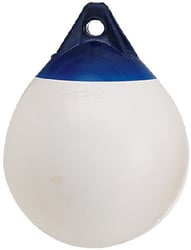
 Representative Photo, actual item may vary
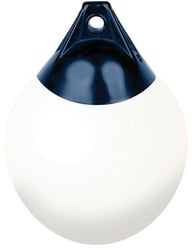

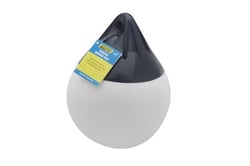
What Are Mooring & Fishing Buoys?
Whether you're securing a sailboat in a crowded harbor or marking the location of a lobster trap, buoys are one of the most versatile and essential tools in any mariner's kit. Mooring buoys are floating devices anchored to the seabed that allow vessels to tie up without deploying their own anchor — a method that is faster, safer, and far gentler on the marine environment. Fishing buoys, on the other hand, serve as surface markers for gear such as crab pots, fish traps, and net lines, keeping both equipment and operators safe on the water.
How Mooring Buoys Work
A typical mooring buoy system consists of a buoy body, a heavy chain or line running to the seabed, and a pick-up pendant that the boater grabs with a boat hook and cleats off at the bow. The buoy floats on the surface, providing a highly visible and accessible attachment point. Because the mooring hardware is permanently set, boaters avoid the risks of dragging anchor in strong currents or winds. Mooring buoys also help protect fragile underwater habitats — coral reefs and seagrass beds, in particular — by eliminating repeated anchor drops in sensitive areas.
Buoy construction varies widely depending on application. Hard-shell buoys are typically made from rotationally molded polyethylene or high-density poly and filled with closed-cell foam, making them virtually unsinkable even if the outer shell is breached. Inflatable vinyl buoys are lightweight and easy to store, while tube-through-center designs allow the mooring chain to pass directly through the buoy body, placing the load on the chain and hardware rather than the buoy shell itself — an advantage in high-load commercial settings.
Types of Buoys to Know
- Mooring Balls: Spherical buoys used in marinas, bays, and mooring fields for recreational and commercial vessels.
- Fishing & Trap Marker Buoys: Brightly colored buoys used by commercial and recreational fishers to mark trap, net, or line locations.
- Regulatory & Marker Buoys: White buoys with orange markings or colored bands used to denote hazards, exclusion zones, and navigation information.
- Spar Buoys: Tall, cylindrical buoys often used to mark sanctuary boundaries or wildlife management areas.
Choosing the Right Buoy
Selecting the correct buoy begins with your vessel's size and the weight of the mooring chain it must support. As a general guideline, the buoy's flotation capacity should be roughly twice the combined weight of the submerged chain and hardware to keep the buoy riding high and visible. Material matters too: UV-stabilized shells resist sun degradation over years of exposure, and corrosion-resistant hardware — galvanized steel or stainless steel shackles and swivels — keeps the whole system reliable season after season. Regular inspection of the buoy body, pick-up lines, and underwater hardware is recommended at least twice a year.
Top Brands in Mooring & Fishing Buoys
Taylor Made is widely regarded as an industry standard-setter in marine buoys and fenders. Their mooring buoy lineup features seamless, one-piece polyethylene shells with UV absorbers for long-term sun resistance, and their Sur-Moor line uses a tube-through-center design that makes chain attachment straightforward and inspection easy. From marinas and municipalities to private harbors, Taylor Made products are built to handle tough, long-term marine deployments.
Seachoice brings its broad marine expertise to the buoy category with commercial-grade options designed for both working fishermen and recreational boaters. Their buoys feature heavy-duty molded rope eyes compatible with a variety of rope sizes and shackles, and a convenient valve design located within the rope eye for hassle-free inflation and deflation. With a product line spanning thousands of marine accessories, Seachoice is a trusted one-stop resource for dependable, value-driven buoy solutions.