



Non-Skid Paint & Additive


Why Non-Skid Paint and Additives Matter on the Water and Road
Few things are more dangerous aboard a boat or on an RV than a slick, wet surface underfoot. Non-skid paint and additives are the first line of defense against slips and falls on decks, steps, ramps, docks, cabin soles, and swim platforms — anywhere moisture, spray, or heavy foot traffic creates a hazard. For marine and RV owners alike, choosing the right non-skid coating is as much a safety decision as it is a maintenance one.
How Non-Skid Coatings Work
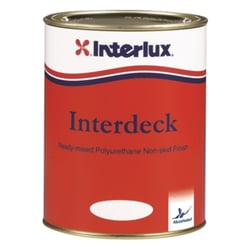
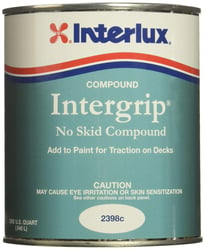
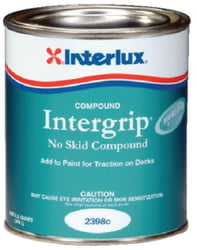
Non-skid products generally fall into two categories: pre-mixed paints and separate additives blended into a base topcoat. Pre-mixed non-skid paints come ready to apply with traction-enhancing agents already incorporated, making them an excellent choice for DIY projects. Additive-based systems, on the other hand, let you customize grip level by choosing fine, medium, or coarse grit — whether silica, polymer beads, rubber granules, or other abrasive materials — and blending them directly into your preferred topside or deck paint.
Common additive materials include silica sand, ground pumice, finely ground walnut shells, and rubber particles. Each delivers a different texture profile and wear characteristic, so matching the aggregate type to the expected foot traffic, surface material, and environmental exposure is key to long-term performance.
Key Factors When Shopping for Non-Skid Paint
- Surface compatibility: Most non-skid paints are formulated for fiberglass, wood, metal, and epoxy, but always confirm the product works with your specific substrate.
- Texture aggressiveness: Coarser textures offer maximum grip in high-traffic or offshore conditions, while finer textures are more comfortable for areas where crew and passengers sit or kneel.
- Durability and UV resistance: Marine coatings must contend with saltwater, UV rays, and constant foot traffic. Look for products with built-in UV stabilizers to prevent fading and cracking over time.
- Application method: Some products apply with a standard brush or roller; others use a proprietary textured roller to dial in the desired finish. Ease of application matters especially for large deck areas.
- One-part vs. two-part systems: One-part formulas are simpler and more forgiving for DIYers, while two-part epoxy or polyurethane systems deliver maximum durability at the cost of greater complexity.
Top Brands in Non-Skid Paint & Additive
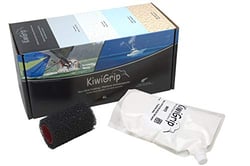
KiwiGrip has become a benchmark in the marine non-skid category. Developed by a New Zealand yachtsman and distributed by PYI Inc., KiwiGrip is a water-based acrylic polymer that stands apart from aggregate-based coatings. Rather than relying on sand, walnut shells, or rubber flecks that can wear away and fall out over time, KiwiGrip achieves its grip through a homogeneous formula and a proprietary roller technique — letting the applicator control texture from a mild pleasure-boat finish to an aggressive workboat surface simply by varying application pressure and stroke. Its non-toxic, low-VOC, soap-and-water cleanup formula makes it a popular choice for both seasoned boaters and first-time DIYers tackling a deck refresh.
Getting the Best Results from Non-Skid Coatings
Proper surface preparation is essential regardless of which product you choose. Thoroughly clean the deck to remove grease, old wax, and loose paint, then lightly sand to promote adhesion. Apply non-skid paint or additive mixtures in thin, even coats and allow adequate cure time before putting the surface back into service. In high-traffic areas, periodic touch-ups will help maintain consistent traction season after season.