



Prime Washes, Solvents & Thinners


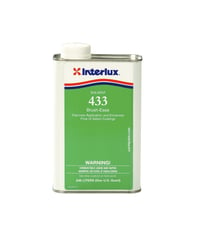
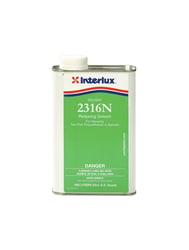
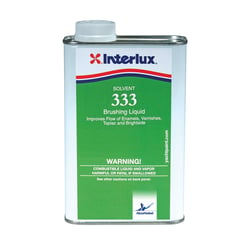
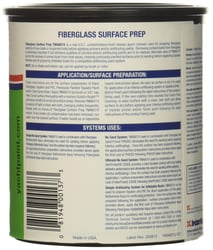
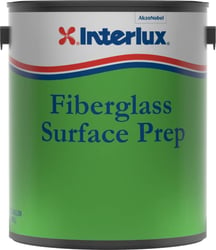
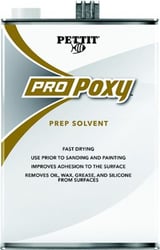

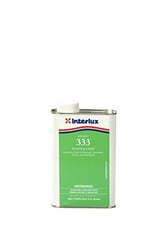
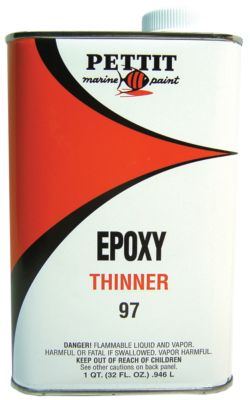 Representative Photo, actual item may vary
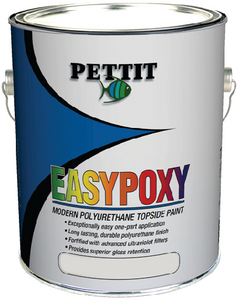 Representative Photo, actual item may vary
 Representative Photo, actual item may vary
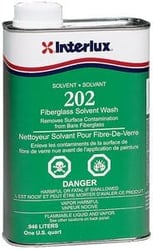
Why Prime Washes, Solvents & Thinners Are Essential for Marine Painting
A flawless marine paint job doesn't start with the first coat of paint — it starts long before the brush ever touches the hull. Prime washes, solvents, and thinners are the unsung workhorses of any serious boat painting project, handling everything from stripping mold-release wax off fresh fiberglass to dialing in the perfect paint viscosity for a brush or spray gun. Skipping or rushing these steps is one of the most common causes of peeling, poor adhesion, and premature coating failure on the water.
What Each Product Type Does
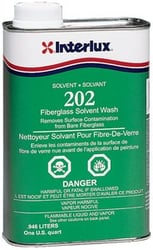
Prime washes and solvent washes are used to chemically clean a surface before primer or paint is applied. On fiberglass hulls, mold-release agents applied during manufacturing can remain embedded in the gelcoat for years, and a dedicated solvent wash is the most reliable way to remove them before painting. On bare metal, a prime wash etches the surface to improve adhesion and inhibit corrosion.
Thinners and reducers adjust paint viscosity so it flows and levels correctly whether you're brushing, rolling, or spraying. Using the wrong thinner — or substituting a generic solvent — can alter evaporation rates, compromise adhesion, and leave you with a finish that sags, blushes, or simply won't cure properly. Matching the thinner to both the paint system and the application method is critical.
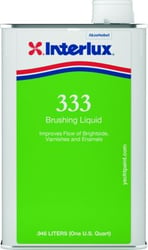
Brushing liquids are specialized additives that improve flow and leveling for hand-applied topcoats and varnishes, reducing brush marks and improving the final gloss.
Key Considerations When Shopping
- Compatibility: Always use the thinner or solvent specified by the paint manufacturer. Marine paint systems are formulated to work as a system, and cross-brand substitutions can cause failures.
- Application method: Brushing thinners have a slower evaporation rate suited to hand application, while spray reducers evaporate faster to prevent runs and sags through a gun.
- Surface material: Fiberglass, wood, steel, and aluminum each require specific prep solvents. A fiberglass solvent wash is not the right choice for bare metal prep.
- Environmental regulations: VOC-compliant formulations are required in some regions — always check local rules before purchasing solvent-based products.
- Safety: Work in well-ventilated areas, wear gloves and eye protection, and dispose of used solvents according to local environmental guidelines.
Top Brands in Marine Prime Washes, Solvents & Thinners
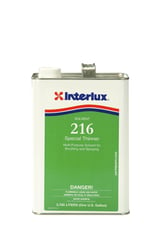
Interlux Paint is the dominant name in this category, and for good reason. Interlux offers a comprehensive lineup of purpose-matched thinners and solvents — including their well-known Fiberglass Solvent Wash 202 for dewaxing gelcoat, Special Thinner 216, and dedicated reducing solvents for both brush and spray applications — all engineered to work in lockstep with their broader paint systems.
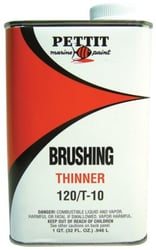
Pettit Paint rounds out the category with versatile products like their 120 Brushing Thinner, a general-purpose marine thinner well-suited for thinning primers, enamels, varnishes, and solvent-based bottom paints across a wide range of application conditions.