



Resin Additives, Rollers, Spreaders, Etc



What Are Resin Additives, Rollers, and Spreaders?
Whether you're patching a hull blister, reinforcing a cracked deck, or laying up a fresh fiberglass laminate on your RV or boat, the quality of your repair depends as much on your application tools and additives as it does on the resin itself. Resin additives, rollers, and spreaders are the often-overlooked workhorses of any fiberglass repair — they ensure proper wet-out, even coverage, and a finish that bonds correctly and lasts for the long haul.
Why These Tools and Additives Matter
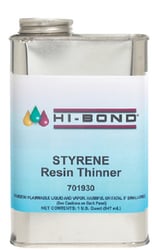
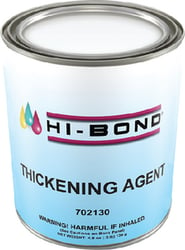
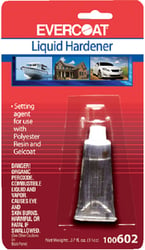
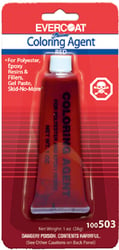
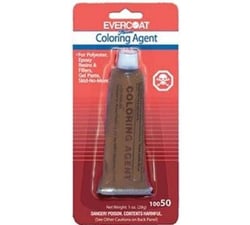
Applying polyester or epoxy resin is a precise process. Resin additives such as surfacing agents, thickeners, and catalysts allow you to tailor the resin's behavior to your specific job. For example, Hi Bond offers surfacing agents like Wax-Sol that create a less tacky surface after cure, making sanding and finishing significantly easier. Thickening agents such as Cab-O-Sil can be blended into resins and gel coats to prevent sagging on vertical or overhead surfaces — a critical consideration when working on hull sides or overhead compartments.
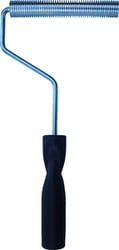
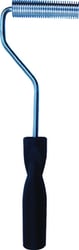
Rollers are essential for wet-out work — pushing resin evenly through fiberglass cloth, mat, and roving to eliminate dry spots and air pockets that could compromise structural integrity. The right roller nap for the job (foam for smooth surfaces, medium nap for epoxies and bottom paint, phenolic-core covers for solvent-heavy resins) makes a significant difference in the final bond quality. Spreaders, meanwhile, excel at applying thicker materials: fillers, fairing compounds, and high-viscosity resins that are far too stiff to brush out effectively.
- Resin additives — modify viscosity, cure behavior, and surface tack to suit your repair conditions
- Rollers — ensure full, even wet-out of fiberglass fabric and smooth application of epoxy or bottom paint coats
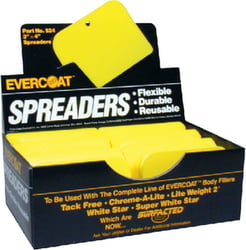
- Spreaders/squeegees — provide fast, controlled spreading of resins, putties, and body fillers over larger areas
Key Considerations When Shopping
Match your roller cover to the resin system: solvent-based resins and bottom paints require a solvent-resistant phenolic core, while foam rollers work best with water-based systems or smooth topside finishes. For spreaders, a flexible plastic spreader gives you better control over thin resin layers, while a stiffer spreader is more effective for thick fairing compounds. Always confirm that any additive — thickener, surfacing agent, or catalyst — is compatible with your specific resin chemistry before mixing.
Top Brands for Resin Additives, Rollers & Spreaders
Hi Bond is a go-to name among marine repair professionals, offering a well-rounded lineup of polyester resins and specialty additives. Their products — from general-purpose boat yard polyester resins used with fiberglass cloth, mat, and roving, to surfacing agents and thickeners — are trusted in boatyards for reliable structural repairs on hulls and decks.
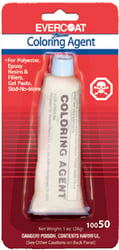
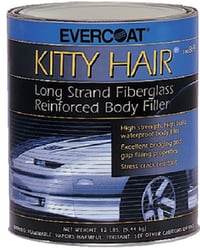
Evercoat brings deep expertise from both the auto body and marine worlds. Their spreader kits feature flexible, durable plastic spreaders in multiple sizes designed for fast, smooth application of resins and body filler, and their fiberglass repair kits bundle everything needed — resin, cloth, spreader, and mixing tray — for tackling holes, dents, and gouges in fiberglass or plywood surfaces.
Redtree rounds out the category with a strong selection of marine-specific roller covers. Their offerings include fiberglass resin rollers with solvent-resistant phenolic cores engineered for epoxies, bottom paints, and fiberglass resins, as well as foam and mohair mini rollers optimized for tight spots and smooth topside finishes.