



Thermostats & Accessories



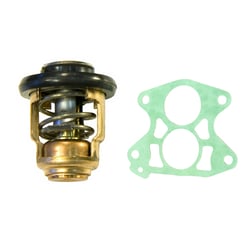
 Representative Photo, actual item may vary
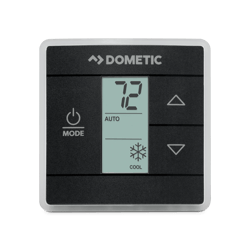

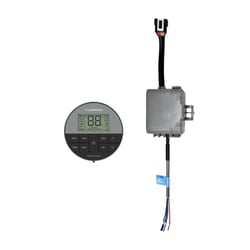

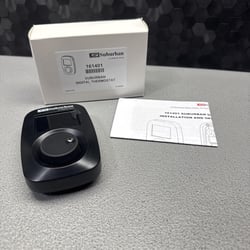

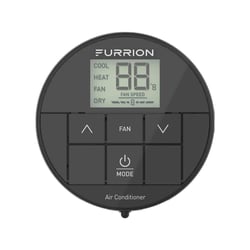
Furrion FACW10ESSA2-BL-AM Single-Zone RV Wall Thermostat R32 Backlit LED
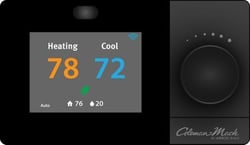
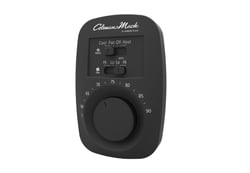
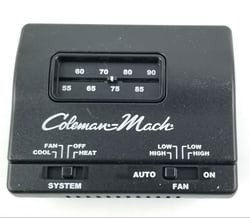
Coast Dist Sys (coleman Air) 73303861 Analog Cool Only RV Air Conditioner Wall Thermostat - Black
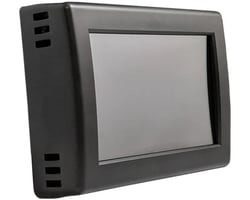
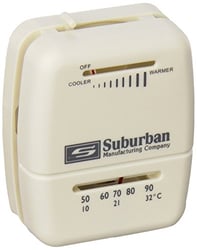
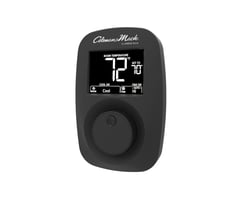
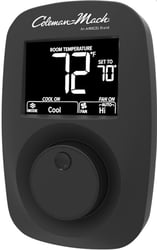
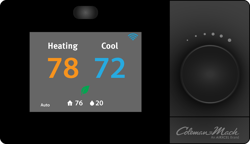
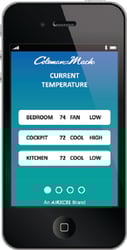
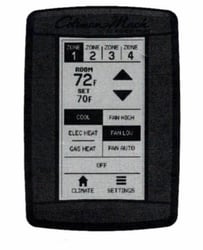
Coleman-Mach 9420A382 Digital RV Wall Thermostat Heat Pump Gas Furnace Control Black
 Representative Photo, actual item may vary
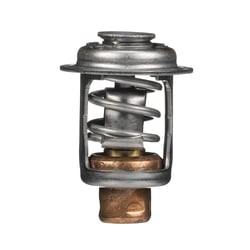

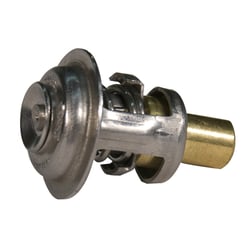
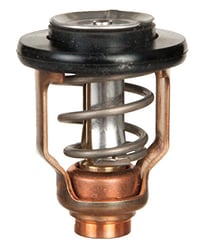
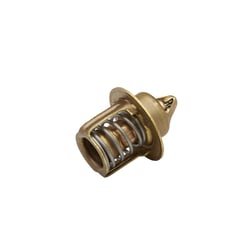
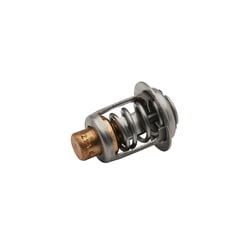
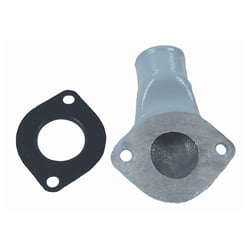
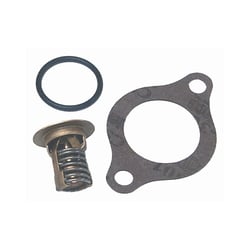
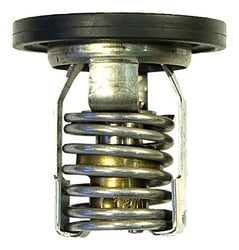
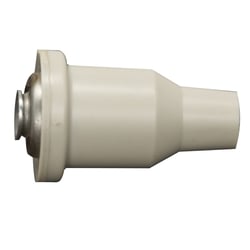
Quicksilver 833072004 143°F Replacement Thermostat for Mercury 1.5L 3-Cylinder Outboards
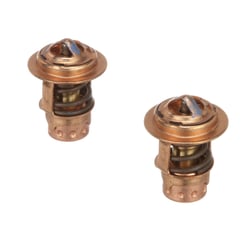
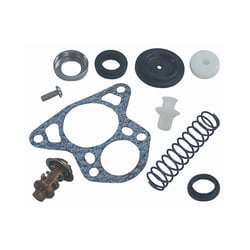
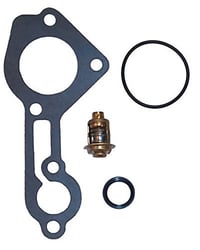
Quicksilver 75692Q 2 Replacement Thermostat Kit for Mercury Outboards 135-200HP
Why Your RV or Marine Engine Thermostat Matters
It's easy to overlook a thermostat — it's small, inexpensive, and tucked away inside the engine. But for RV and marine engines, this unassuming component is one of the most critical parts in the entire cooling system. A thermostat regulates the temperature of the water for engine cooling and keeps pressure in the cooling system to facilitate heat transfer from the heads and the cylinder walls. Get it wrong, and you risk everything from poor fuel economy to catastrophic engine failure.
How Marine & RV Engine Thermostats Work
The thermostat in your engine is a temperature-sensitive valve. Its main role is to regulate the flow of coolant based on the engine's temperature. When the engine is cold, the thermostat remains closed, allowing the engine to warm up quickly. As the engine temperature rises, the thermostat starts to open, letting coolant flow through and maintain the engine at an optimal temperature.
Marine engines introduce a unique set of challenges compared to standard automotive applications. Marine thermostats are designed to work with raw water or heat exchanger flow — they regulate both internal coolant and external seawater discharge at the same time. That's why it's critical never to substitute an automotive thermostat in a marine engine. Marine thermostats usually open at lower temperatures than automotive ones — typically between 140 and 160 degrees Fahrenheit — while automotive thermostats often open closer to 190 degrees, which is too hot for a raw-water cooled marine engine.
Operating environment matters too. Saltwater boating can lead to faster corrosion and buildup, so boats frequently used in such conditions may require more regular thermostat checks. RV engines face their own demands — long highway hauls, steep grades, and extreme ambient temperatures all push the cooling system hard, making a properly rated thermostat essential for protecting your investment.
What to Look for When Shopping Thermostats & Accessories
- Temperature Rating: Always match the thermostat's opening temperature to your engine manufacturer's specification. Running too hot or too cold both cause problems.
- Cooling System Type: Raw-water cooled, freshwater-cooled, and heat-exchanger systems each have distinct thermostat requirements. Confirm your system type before purchasing.
- Build Material: Brass and stainless are common in marine-grade thermostats and offer superior corrosion resistance compared to standard steel or aluminum components.
- Accessories: Don't overlook gaskets, housing seals, and bypass valves. Be sure to have a new gasket ready before opening the thermostat housing, because the old gasket will likely tear due to age and heat.
- OEM Fit: Cross-reference the part number with your engine make and model to ensure a proper fit and correct bypass design.
Top Brands in RV & Marine Thermostats & Accessories
When it comes to reliable temperature control for your RV or marine engine, a few brands have established themselves as go-to choices for enthusiasts and professionals alike.
Coleman leads this category by revenue, and for good reason. Coleman brings decades of experience building HVAC and temperature management products for the RV market, making their thermostats and accessories a natural fit for RV engine applications where precise, dependable temperature regulation is a must.
Motorad is a widely respected name in engine thermostats, offering a broad catalog of 24 products in this category alone. Motorad is known for manufacturing thermostats to OEM-equivalent standards, making them a reliable choice for boaters and RV owners seeking a direct-fit replacement without the dealer price tag.
Robertshaw has a long-standing reputation in precision temperature control components across industrial and engine applications. Their focused lineup of marine and RV thermostats reflects quality engineering aimed at engines that need consistent, accurate thermal management under demanding conditions.