



Throw Bags/Safety Kits
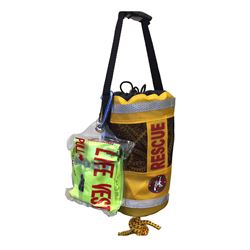

Why Throw Bags and Marine Safety Kits Belong on Every Vessel
When seconds count on the water, having the right rescue gear within arm's reach can mean the difference between a close call and a tragedy. Throw bags and marine safety kits are among the most essential pieces of equipment any boater, kayaker, or paddler can carry — and in many cases, they are required by law. Whether you're navigating open ocean, a river, or a quiet lake, throw bags and safety kits are your first line of defense in a man-overboard situation.
What Is a Throw Bag?
A throw bag is a compact rescue tool consisting of a floating rope packed inside a bag that can be quickly deployed in a water emergency. The rescuer holds one end of the rope, then hurls the bag toward a person in distress — the line pays out as the bag sails through the air, giving the victim something to grab and allowing the rescuer to pull them to safety. Most throw bags feature brightly colored, high-visibility fabric and floating polypropylene rope, making them easier to spot in rough or low-light conditions. Key features to look for include:
- Rope length: Typical ranges run from 50 to 75+ feet — longer lines are better suited to larger vessels and offshore environments.
- Floating rope: The rope itself should float so it remains accessible to a person in the water.
- High-visibility color: Bright orange, yellow, or green bags are far easier to locate quickly in an emergency.
- Ease of repacking: After a throw, the bag must be quickly reloaded for a potential second attempt — a smooth drawstring or cinch closure makes this easier.
- Reflective materials: SOLAS-grade reflective tape helps responders spot the bag at night or in low-visibility conditions.
Marine Safety Kits: All-in-One Emergency Preparedness
Beyond standalone throw bags, comprehensive marine safety kits bundle together everything a boater needs to meet U.S. Coast Guard regulations and handle common on-water emergencies. A well-equipped safety kit typically includes life vests, a throwable flotation device, signaling tools such as flares or an electronic distress signal, a whistle, and a fire extinguisher. When choosing a kit, verify that it meets USCG requirements for your vessel's size and that all components are rated for marine environments — saltwater corrosion, moisture, and UV exposure are constant concerns on the water.
Top Brands in Throw Bags & Marine Safety Kits
KJM offers USCG-approved boating safety kits sized to different vessel lengths, making it straightforward for boaters to select a kit that meets all minimum safety requirements without purchasing items separately. Their kits are a popular choice for recreational boaters looking for convenient, all-in-one compliance solutions.
Seachoice is a well-established marine accessories brand with a broad lineup of safety products, including throw bags and safety kits designed for everyday boaters. Their products are widely carried and recognized for delivering reliable performance at an accessible price point.
Mustang Survival brings a professional-grade approach to throw bags, with designs built for water rescue professionals and first responders. Their throw bags are engineered for maximum throwing efficiency and fast reloading — even when wearing gloves — and use high-strength floating rope constructed with a nylon core and polypropylene sheath.
3M is trusted globally for its reflective and safety materials technology, and their presence in the marine safety space reflects a commitment to visibility and durability that serious boaters and safety-conscious mariners rely on.
Scotty Downriggers is a respected name in marine accessories, known for products that hold up to demanding on-water conditions — making their safety offerings a natural extension of a brand built around dependability on the water.
Choosing the Right Gear for Your On-Water Adventures
Whether you're outfitting a small kayak or a full-sized powerboat, the right throw bag or safety kit should be stored in an easily accessible location — not buried under gear. Regularly inspect ropes for wear, repack throw bags after any practice throws, and ensure all kit components are current and in serviceable condition. Being prepared isn't just a regulation; it's the mark of a responsible mariner.