



Turning Point Propellers
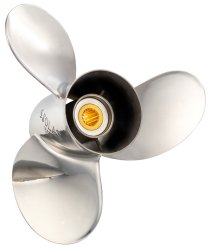

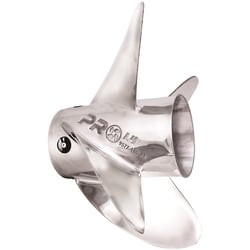
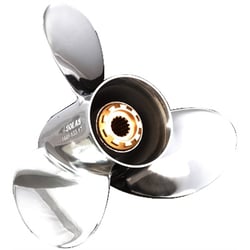
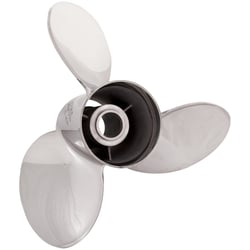
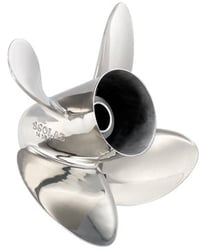
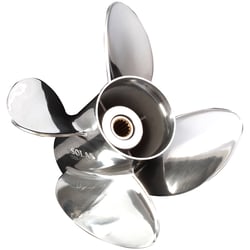
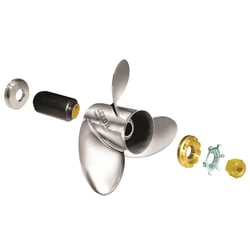
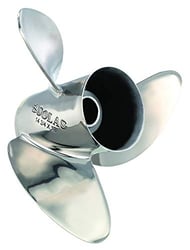
Solas 9551-148-16 Rubex HR3 Stainless Steel 3-Blade Propeller RH 14.5 x 16
Solas 9571-158-21 Rubex L3 Plus 15.75 x 21 Stainless Steel 3-Blade Propeller
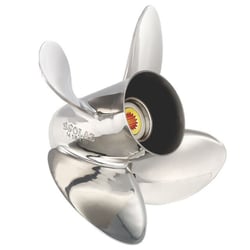
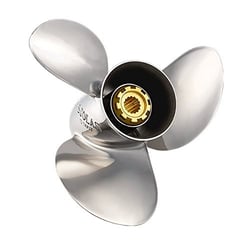
Solas 9551-148-17 Rubex HR3 Stainless Steel 3-Blade Propeller 14.75 x 17 RH
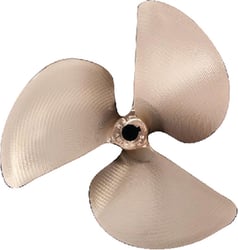

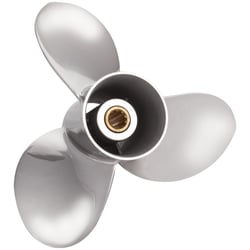
Solas 5121-093-10 Saturn Stainless Steel 3-Blade Propeller 9.25 x 10 RH Mercury
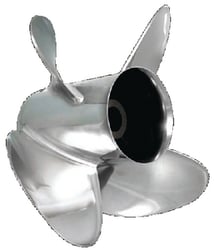
Turning Point Propellers 3150 1731 Express Mach4 14.5x17 4-Blade Stainless Steel Propeller

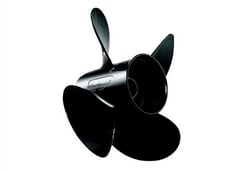
Turning Point Propellers 21501730 Hustler 14.5x17 4-Blade Aluminum Propeller RH
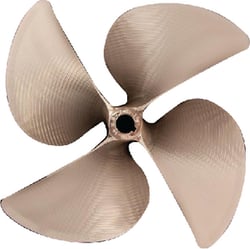
Turning Point 3143 1530 Express Mach4 Propeller 13.5x15 4-Blade Stainless Steel RH
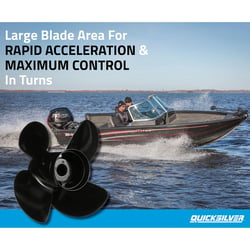

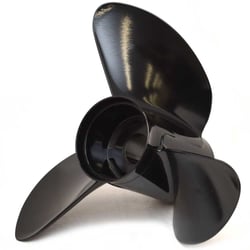
Turning Point Propellers 21311710 Hustler 3-Blade Aluminum Propeller 11.75x17 RH
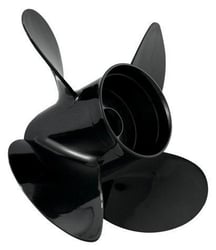
Turning Point Propellers 21501930 Hustler 4-Blade Aluminum Propeller 14x19 RH
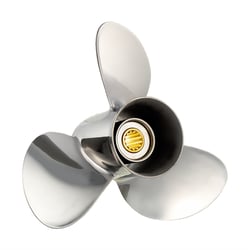
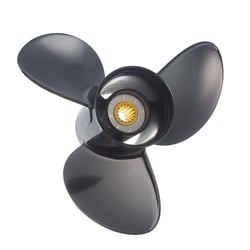
Solas 1411-130-19 Aluminum 3-Blade Propeller 13" Diameter 19 Pitch Mercury
Turning Point Propellers 3150 1931 Express Mach4 14x19 4-Blade Stainless Steel Propeller RH
Solas 9572-158-15 Rubex Stainless Steel Propeller 15.25 x 15 Pitch 3-Blade
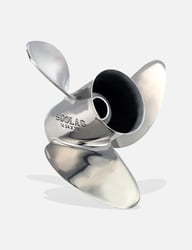
Solas 9451-139-21 Rubex HR3 Stainless Steel Propeller 13-7/8" x 21" RH 3-Blade
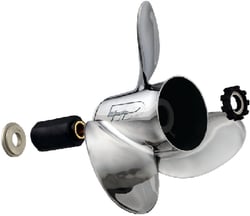
Turning Point Propellers 3150 1912 Express Mach3 14.25x19 3-Blade Stainless Steel Propeller RH
Why the Right Turning Point Propeller Matters
The propeller is the single most direct connection between your engine's power and the water beneath your hull. A properly matched turning point propeller converts every revolution of your engine into forward thrust — affecting your boat's top speed, fuel economy, hole shot, handling, and even how hard your drivetrain works over time. Whether you're running a bass boat, a pontoon, a performance center console, or a personal watercraft, selecting the correct prop is one of the highest-impact upgrades or maintenance decisions you can make on the water.
Turning point propellers are defined by a handful of critical specifications: diameter (the circle swept by the blades), pitch (the theoretical distance the prop would travel through the water in one revolution), blade count, and material — most commonly aluminum or stainless steel. A three-blade prop generally prioritizes top-end speed, while a four-blade design delivers stronger mid-range thrust, smoother cruising, and better holding power in rough water. Getting these numbers right for your specific engine, hull, and use case is the difference between an underperforming setup and a boat that truly comes alive.
Aluminum vs. Stainless Steel Props
The material choice shapes nearly every aspect of a prop's performance profile. Aluminum propellers are the go-to choice for everyday boaters — they're affordable, widely available, and forgiving enough to bend rather than shatter on impact. Stainless steel propellers allow for thinner, more precise blade profiles, which reduces drag and improves efficiency at higher speeds. Stainless is also inherently more resistant to corrosion, making it a natural fit for saltwater applications. The trade-off is cost: stainless props carry a higher upfront price, though their durability and performance often justify the investment over time.
Top Brands in Turning Point Propellers
Solas is the dominant name in this category for good reason. Solas propellers are available in both aluminum and stainless steel, covering outboard engines, stern drives, and personal watercraft across an enormous range of applications. Their aluminum props are produced using an advanced squeeze casting process that results in denser, less-porous blades than traditional die casting — and each one receives up to four layers of performance paint that have been tested to withstand the equivalent of over six months of continuous saltwater exposure. Their Rubex hub system uses rubber — not plastic — to absorb shock from gear shifts and underwater impacts, protecting your lower unit from damage.
Quicksilver is the propeller brand from Mercury Marine, one of the most recognized names in outboard and stern drive engineering. Quicksilver props are engineered to tight OEM tolerances and are a natural fit for Mercury and MerCruiser powerplants, giving boaters confidence in fitment and factory-level performance right out of the box.
Acme Automotive rounds out the top brands in this category, offering an additional range of prop options for boaters seeking variety and value across different engine applications.
Key Considerations When Shopping for a Propeller
- Engine compatibility: Always match your prop to your engine's make, model, horsepower, and year.
- Pitch selection: As a rule of thumb, increasing pitch raises top-end speed but reduces acceleration; decreasing pitch improves hole shot and load-carrying ability.
- Blade count: Three blades for speed; four blades for torque, smoothness, and rough-water stability.
- Material: Aluminum for value and everyday use; stainless steel for performance, longevity, and saltwater environments.
- Hub system: Some props feature interchangeable hub kits, allowing one blade set to fit multiple engine configurations.