



Universal Joints
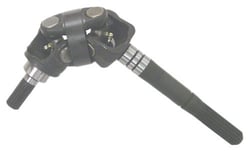

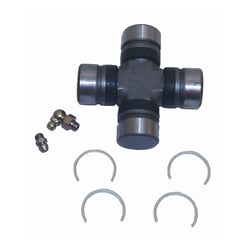
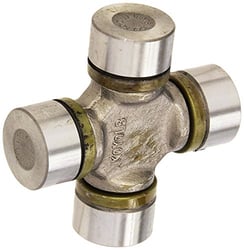
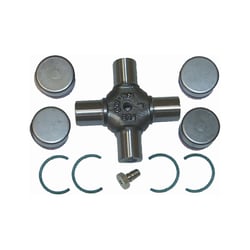
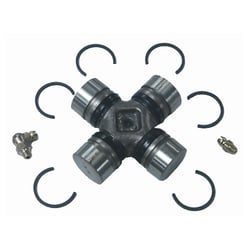
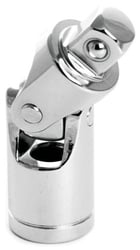

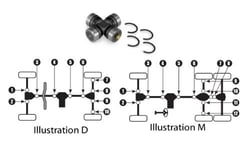
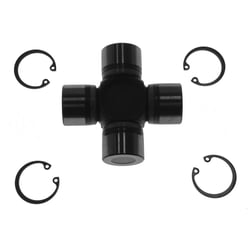

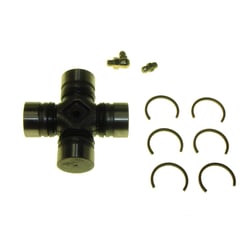
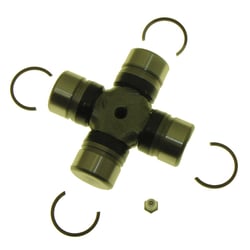
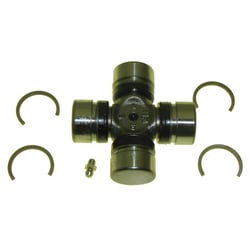
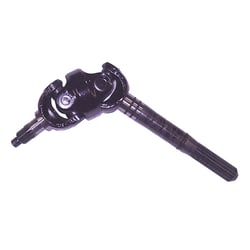
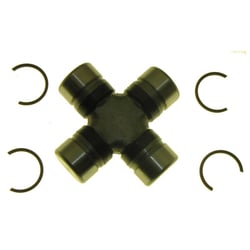
Engineered Marine Products 94-05536 Permalube U-Joint Cross Bearing for MerCruiser Alpha One Gen II
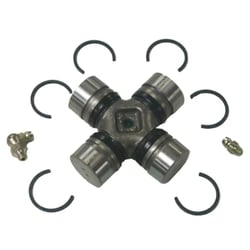
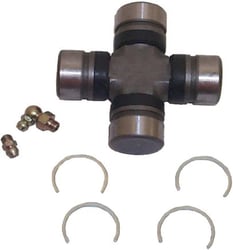
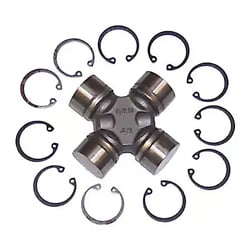
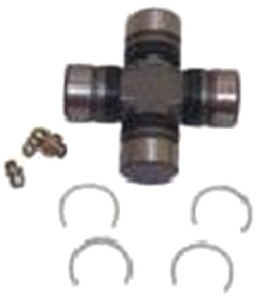 Representative Photo, actual item may vary
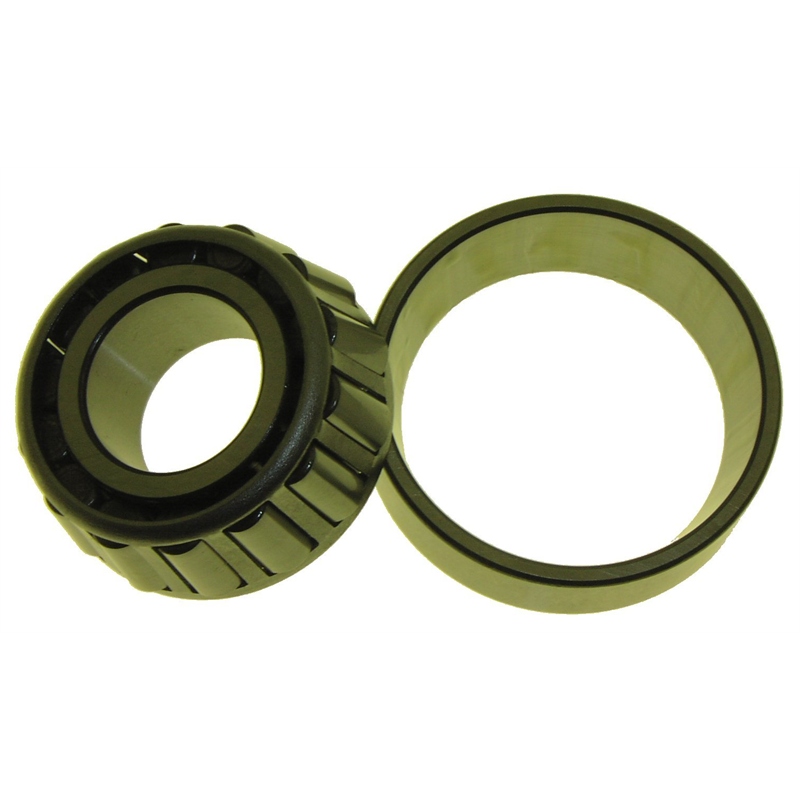 Representative Photo, actual item may vary

What Are Universal Joints and Why Do They Matter?
A universal joint — commonly called a U-joint — is one of the most fundamental yet underappreciated components in any drivetrain. U-joints or universal joints join spinning components together while allowing them to move in coordination with a vehicle's suspension, connecting driveshafts to transmissions, transfer cases, differentials, and other drivetrain sections. For RVs, boats, and other marine craft, these small but mighty components are what keep engine power flowing to the wheels or propeller, even when the connected shafts are out of perfect alignment.
Boats and marine craft commonly use propeller shafts to transfer power from the engine to the propeller where the two components are out of plane — and a quality U-joint is what bridges that gap without sacrificing performance. In the world of recreational vehicles, U-joints face even more demanding conditions. Given the size and weight of most recreational vehicles, these joints endure significant stress during operation, and when they wear out, the entire drivetrain is at risk.
Key Considerations When Shopping for Universal Joints
Choosing the right U-joint starts with understanding your application. There are two primary maintenance styles to consider: greaseable and non-greaseable (sealed) U-joints. Greaseable joints allow you to periodically repack the bearing cups with fresh lubricant, which can extend service life under heavy use. Sealed joints are factory-lubricated and maintenance-free, a practical choice for applications where access is difficult or infrequent servicing is preferred.
For marine environments specifically, corrosion resistance is a critical factor. Exposure to water, salt spray, and humidity can accelerate wear on standard steel U-joints. Look for joints with protective coatings or materials rated for marine exposure. For RV owners, common culprits behind U-joint failure include lack of lubrication, corrosion from road salt and moisture, and the gradual wear that comes from hauling heavy loads over thousands of miles. Warning signs of a failing U-joint include vibrations at certain speeds, clunking sounds when shifting gears, and squeaking during low-speed movement — all of which warrant prompt inspection and replacement.
U-joint series numbers (such as 1310, 1350, or 1410) indicate the physical dimensions of the joint, including cap diameter and span width. Always match the replacement joint to the original equipment specification for proper fitment and torque capacity.
Top Brands in Universal Joints
When it comes to U-joints for RV and marine applications, one name stands above the rest. Dana Spicer is widely regarded as the benchmark in U-joint engineering. Dana manufactured its first U-joint in 1904, giving the brand over a century of driveline expertise. Their Spicer Life Series® and Spicer 10® Series U-joints are subjected to rigorous fatigue testing — and the results speak for themselves. The Spicer Life Series lineup is available in both greaseable and lubed-for-life options, covering a broad range of RV and marine driveline applications with OE-grade reliability.