



VHF Radios - Handheld
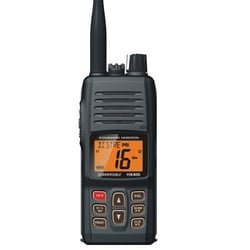
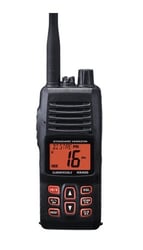
Standard Horizon HX400 Submersible 5W Handheld VHF Radio with LMR and Voice Scrambler


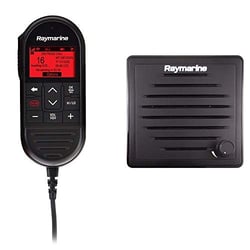
Raymarine T70432 Ray90 Wired Second Station Kit with Passive Speaker and RayMic Handset

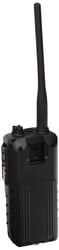
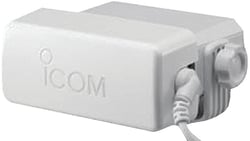
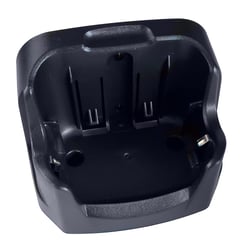
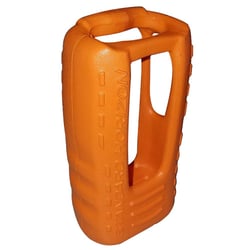
 Representative Photo, actual item may vary

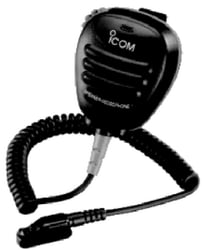
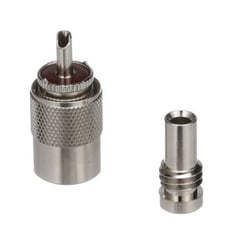

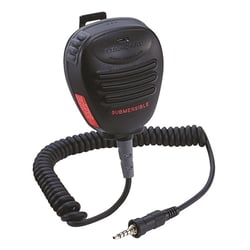
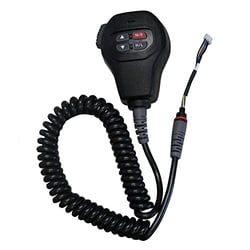
Standard Horizon CS2579402 Replacement Microphone for GX1200 GX1600 GX1700 Marine VHF Radios
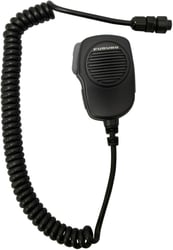
Furuno 000-150-016-11 DM2003F Replacement Microphone for FM8800S VHF Radio

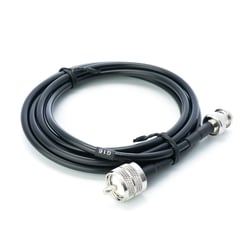
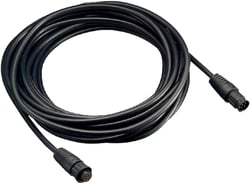
Vesper Marine 010-13269-00 Splitter Patch Cable for Cortex M1 to External VHF

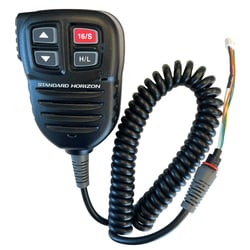
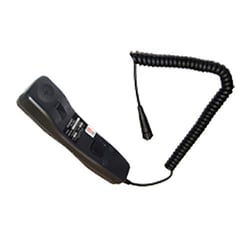
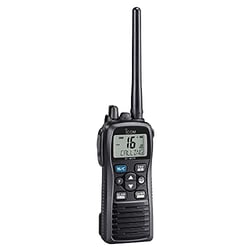
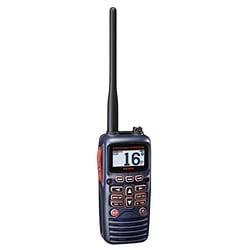
 Representative Photo, actual item may vary
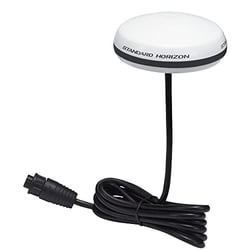
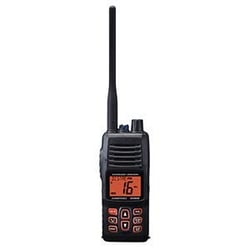
Standard Horizon HX400ISCASE Intrinsically Safe VHF Radio Case Pack (20 Units)


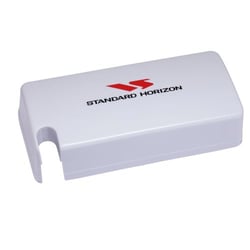
Standard Horizon HC1100 Dust Cover for GX1100/1150/1200/1300/1400 Marine VHF Radios
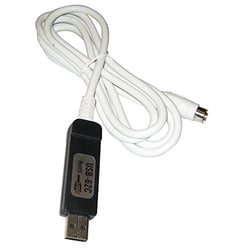
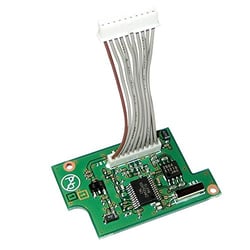
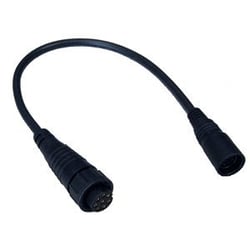
Standard Horizon E-DC-6 12V DC Power Cable with Bare Wires for Marine VHF Radios
What Is a Handheld VHF Radio and Why Do You Need One?
A handheld VHF (Very High Frequency) radio is one of the most essential pieces of safety equipment any boater can carry aboard. Operating on the internationally recognized marine VHF band, these compact transceivers allow vessel-to-vessel communication, ship-to-shore contact with marinas and the Coast Guard, and access to NOAA weather broadcasts — all without relying on a cellular signal that disappears the moment you leave the harbor. Whether you're a weekend sailor, a kayaker, or a serious offshore cruiser, a handheld VHF puts reliable, standardized emergency communication directly in your hand.
Unlike fixed-mount radios, handheld units are portable, battery-powered, and designed to go wherever you do — into the dinghy, into the water (many are rated to float and flash when submerged), and into your emergency ditch bag. Most modern handheld VHFs transmit at up to 6 watts, which provides reliable communication across several miles on open water. Because VHF signals travel on a line-of-sight basis, the range is also affected by antenna height, but a quality handheld is more than capable for most near-shore and inland boating scenarios.
Key Features to Consider When Shopping Handheld VHF Radios
- DSC (Digital Selective Calling): Class D DSC capability allows you to send an automated digital distress signal — including your GPS coordinates — to the Coast Guard and nearby vessels with a single button press. This is one of the most critical safety features to look for.
- Integrated GPS: Many premium handheld VHFs include a built-in GPS receiver, enabling position sharing via DSC, waypoint navigation, and real-time location display directly on the radio.
- Waterproofing & Floatability: Look for an IPX7 or IPX8 submersion rating. Radios that float and automatically activate a strobe or screen flash when dropped overboard are invaluable in man-overboard situations.
- Battery Life: Longer standby battery life (often 12–48+ hours) is critical for extended cruises, offshore passages, or emergency use when charging may not be available. An included alkaline battery tray adds redundancy.
- NOAA Weather Channels: All-weather monitoring with alert capability keeps you informed of rapidly changing conditions on the water.
- Bluetooth: Select models offer Bluetooth connectivity for hands-free operation with compatible headsets.
Top Brands in Handheld VHF Radios
Standard Horizon is the top-selling brand in this category for good reason. Their handheld lineup — headlined by models like the HX890 and HX891BT — combines floating, submersible construction with integrated 66-channel WAAS GPS, Class D DSC, and intuitive icon-based menus. The HX891BT adds Bluetooth for hands-free operation, while a water-activated emergency strobe light activates automatically even when the unit is powered off — a standout safety feature. Standard Horizon handhelds are also backed by an industry-leading 3-year waterproof warranty.
Icom brings over 50 years of two-way radio engineering expertise to its marine handheld lineup. Known for their Float'n'Flash system — the radio floats and automatically flashes the screen when submerged — Icom handhelds are celebrated for exceptional battery life (some models exceeding 48 hours on standby), rugged construction, and versatile USB charging. The IC-M94DE even adds a built-in AIS receiver, making it one of the most advanced handheld VHF radios available.
Raymarine is a trusted name in marine electronics, known for deep integration across their ecosystem of chartplotters, MFDs, and navigation instruments. Their handheld VHF offerings feature Class D DSC, built-in GPS, and the ability to pair seamlessly with Raymarine multifunction displays — making them an excellent choice for boaters already invested in the Raymarine platform.
Racing Electronics supplies communication equipment purpose-built for motorsports and high-performance environments. Their VHF and two-way radio products are engineered for the demanding conditions found in racing, making them a solid choice for enthusiasts who need proven, durable radio communication gear.
Digital Yacht specializes in smart marine electronics with a focus on connectivity and NMEA integration. Their VHF radio solutions are designed to work within a connected vessel network, appealing to tech-forward boaters who want their communications gear fully integrated with onboard navigation systems.
Handheld VHF Radios: A Non-Negotiable Safety Tool
Marine authorities around the world recommend — and in many jurisdictions require — that all vessels carry a working VHF radio. A handheld unit serves as either the primary communication device on small craft or as a critical backup to a fixed-mount radio on larger vessels. Before heading out on any trip, ensure your handheld VHF is charged, registered with a valid MMSI number, and that all crew members know how to operate it. The few minutes it takes to learn could make all the difference in an emergency.