



Bilge Pump Float Switch
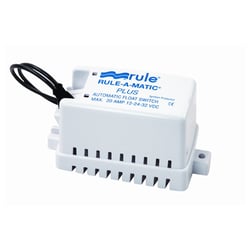

A bilge pump is only as dependable as the switch that tells it when to run. A bilge pump float switch is a small, water-level-sensing device that turns a bilge pump on when water collects in the lowest part of the hull and shuts it off once the water has been cleared. For boat owners, it is one of the most important pieces of safety equipment on board, because it works while no one is watching: at the dock overnight, on a mooring during a storm, or underway when a slow leak goes unnoticed.
How a Bilge Pump Float Switch Works
Most float switches use a buoyant float that rises with the water level. When the float reaches a set height, it closes an electrical circuit and powers the pump. As the water drops, the float lowers and the circuit opens. Older designs relied on mercury contacts, but modern marine switches have moved to mercury-free designs, such as sealed contacts that avoid the environmental concerns of mercury while still switching reliably in a wet, vibrating hull.
What to Consider When Shopping
- Voltage and amperage rating: Match the switch to your boat's electrical system and to the current draw of your pump. Many marine float switches are rated for 12-volt systems, and some handle higher voltages and loads.
- Float size and buoyancy: A larger float generally provides more buoyancy and can reduce short on-and-off cycling, which is easier on both the pump and your battery.
- Debris protection: Bilges collect hair, string, sawdust and other flotsam. An enclosed housing or an integrated strainer helps keep the float from jamming in the on or off position.
- Test and service features: An external lever or snap-in base makes it easy to check operation periodically or remove the switch for cleaning.
- Wire quality: Look for sealed, abrasion-resistant marine-grade wiring with good strain relief, since connections in the bilge are constantly exposed to moisture.
Maintenance and Reliability
Even a well-built float switch needs regular attention. Lift the float by hand or use the test lever on switches that include one, confirm that the pump starts, and make sure the float moves freely. Clean away sludge and debris, inspect the wire connections for corrosion, and consider a fuse or circuit protection in the pump line. Many boaters also pair an automatic float switch with a manual override panel switch, so the bilge can be cleared on demand and the pump can be controlled even if the float fails.
Featured Brand: Rule Industries
Rule Industries bilge pump float switches are a familiar sight in recreational and commercial boating. Rule's Rule-A-Matic line includes models with larger floats for added buoyancy and snap-in bases for easy cleaning, while the Rule-A-Matic Plus adds an impact-resistant cover and integrated strainer to guard against jamming. The brand's SuperSwitch is a mercury-free design built for higher-voltage, higher-current applications. Rule also offers matching panel switches and bilge pumps, which makes it straightforward to build a complete, compatible bilge system.
Why It Matters
Water in the bilge is a normal part of boat ownership, but unchecked it can damage wiring, engines and flooring, or in the worst case threaten the vessel's buoyancy. A reliable float switch is an inexpensive layer of protection that keeps your pump working exactly when it is needed. Choosing a correctly rated, debris-resistant switch and testing it regularly is one of the simplest ways to protect your boat.