



Scupper Valve
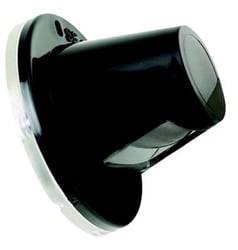

A scupper valve is a small but important piece of boat plumbing. On boats with self-bailing cockpits, rain, spray, and wash-down water collect on the deck and need somewhere to go. Scuppers are the drain openings that carry that water overboard. The scupper valve fitted to them is a one-way flap or ball that opens to let water out and then closes to keep water from washing back in.
Why Scupper Valves Matter
Standing water in a cockpit adds weight, affects stability, and makes the deck slippery. It also finds its way into bilges, storage compartments, and wiring runs. A working scupper valve keeps the cockpit draining and stops backflow when a wave or wake hits the transom. Over time the rubber flappers can harden, crack, or warp from UV exposure, so replacing a worn valve is a simple, low-cost way to keep a self-bailing deck working as designed.
Types of Scupper Valves
- Flapper-style valves: A flexible rubber flap hinged over the drain opening swings out under the weight of draining water and falls closed afterward. These are common on transom drains and are simple to service.
- Ball-style valves: A free-moving ball inside a housing moves out of the way to drain water and then seats against the opening to seal it. Clear housings let you see whether debris is trapping the ball.
What to Consider When Choosing
- Diameter and fit: Measure the existing opening and the mounting footprint. Many replacements are sized around a 2-7/8 inch outside diameter, but the hole size and fastener pattern need to match your hull or transom.
- Mounting location: Transom-mounted valves sit above the waterline, while some designs are meant to cover an existing thru-hull fitting.
- Materials: Look for UV-resistant, impact-tolerant housings and a flexible flap or ball that will keep sealing after repeated exposure to sun, salt, and temperature swings.
- Fasteners and gasket: A proper gasket and the right screws help prevent leaks around the mounting flange.
Brands in This Category
Seachoice is a well-known name in boat hardware and OEM-style replacement parts. The company has supplied boaters since 1988, beginning with cleats, hinges, and hasps before growing into a broad range of marine accessories. Its scupper valve is built for boats with self-bailing cockpits and uses a fiberglass-reinforced plastic ring with a rubber flap and gasket. It mounts on the transom above the waterline, which makes it a practical replacement for a tired or missing flapper.
Keeping Scuppers Working
Check scuppers at the start of each season and after storage. Clear leaves, grit, and marine growth from the opening, and make sure the flap or ball moves freely and seals fully. If the rubber is stiff, torn, or no longer sits flat, replace the valve before the next outing so your cockpit drains as intended and water stays out when you need it to.