



Speedometer Pitot Tube
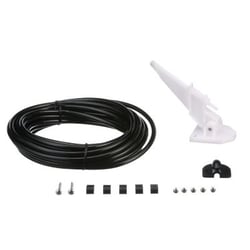






What Is a Marine Speedometer Pitot Tube?
Every boater depends on an accurate speedometer to navigate safely, comply with local speed limits, and protect their engine from overexertion. At the heart of most traditional marine speedometer systems is a deceptively simple device: the pitot tube. Understanding how it works — and knowing when to replace it — can make the difference between a confident day on the water and a frustrating one.
Speedometer pitot tubes operate on a straightforward principle of fluid dynamics. As your boat moves forward, water enters the open end of the tube mounted on the transom or hull. This flow of water creates pressure inside the tube — and the faster the boat travels, the greater the pressure. That pressure is transmitted through flexible tubing routed to the helm, where the speedometer gauge converts it into a miles-per-hour or knot reading on your dashboard.
How the Pitot Tube System Works
A complete pitot tube speedometer system consists of a few key components working in tandem:
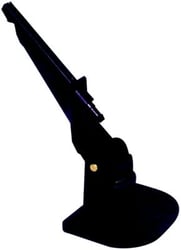
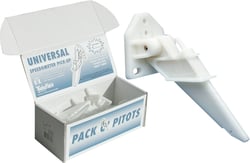
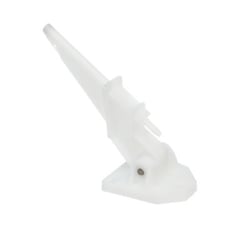
- The pitot tube itself — a small, triangular or tubular probe that mounts to the outside of the hull or transom and projects into the water.
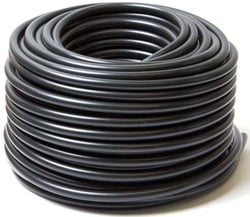
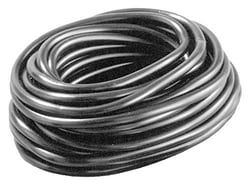
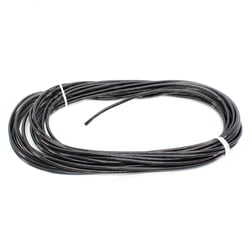
- Flexible pressure tubing — routes the water pressure signal from the transom through the boat to the instrument gauge.
- The speedometer gauge — typically mounted at the helm, it receives the pressure signal and translates it into a speed reading.
One of the most common maintenance issues boaters face is a clogged or damaged pitot tube. Weeds, debris, or simple wear can disrupt the steady water pressure the system depends on for accuracy. Fortunately, pitot tubes are among the most affordable and straightforward components to replace on a boat, often requiring no special tools and minimal time.
Key Considerations When Shopping for a Pitot Tube
When selecting a replacement or upgrade pitot tube, keep these factors in mind:
- Speed range compatibility — confirm the tube is rated for your boat's top speed (most recreational tubes cover up to 80 MPH).
- Universal vs. brand-specific fit — many modern pitot tubes feature universal slotted mounting plates that fit existing holes without additional drilling.
- Kick-up design — a kick-up feature allows the tube to deflect on impact rather than break, which is especially valuable in shallow or debris-prone waters.
- Weed resistance — tubes designed to shed aquatic vegetation maintain more consistent water pressure and deliver steadier readings.
- Kit vs. tube-only — full kits include tubing, mounting hardware, and clamps, making them ideal for first-time installations or complete system replacements.
Top Brands in Marine Speedometer Pitot Tubes
SeaStar Solutions (formerly Teleflex Marine) is one of the most recognized names in marine instrumentation. Their pitot tubes are engineered for universal compatibility — fitting Airguide, Medallion, and most other speedometer brands — and feature an automatic kick-up design that helps protect the transom from impact damage. SeaStar pitot tubes are designed to deliver constant, steady water pressure for reliable readings up to 80 MPH.
Seachoice brings practical value to the pitot tube category, offering both standalone replacement tubes and complete installation kits. Their pitot tubes feature a weed-resistant design that maintains steady water pressure in real-world boating conditions, along with a kick-up feature to prevent breakage. Seachoice kits include everything needed for a clean installation, including PVC tubing, mounting hardware, and stainless steel fasteners.
Sierra is a trusted name in marine replacement parts, with a broad catalog of components designed to meet or exceed OEM specifications. Their pitot tube offerings provide boaters with a reliable, well-priced option for keeping marine speedometer systems performing accurately.
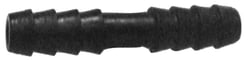
Brass Fittings rounds out the category with specialized fittings and connectors for pitot tube plumbing systems, making them a go-to source when you need to repair or extend the pressure tubing that connects your pitot to the helm gauge.