



Camp Zinc Anodes/Zincs
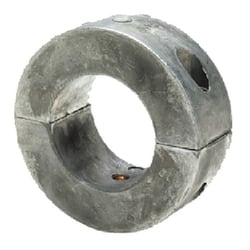
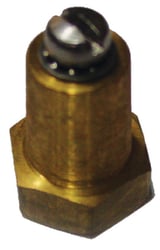
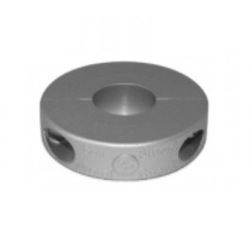
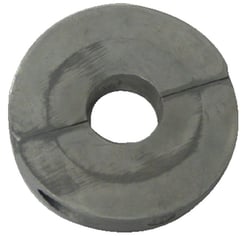
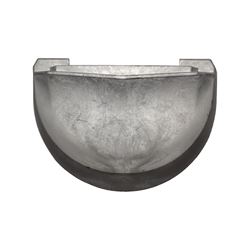
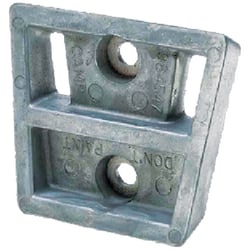
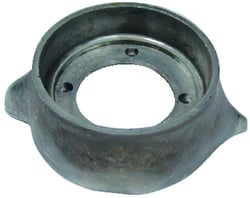
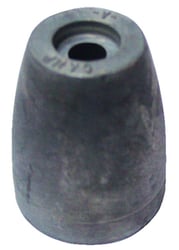
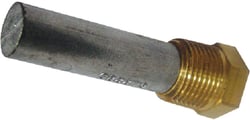
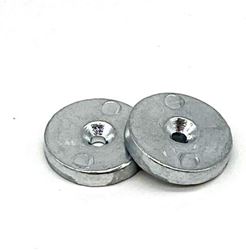
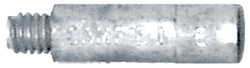
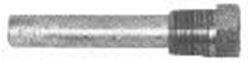
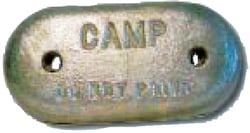
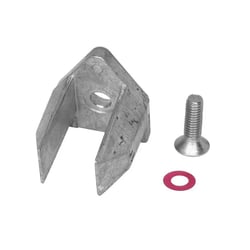
 Representative Photo, actual item may vary
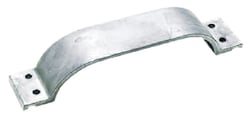
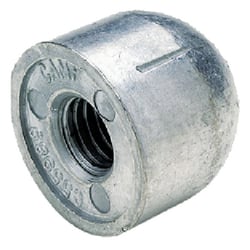
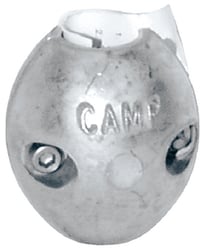
Camp Zinc's MIL-SPEC Marine Anodes
When it comes to protecting your vessel from the relentless threat of galvanic corrosion, Camp Zinc's sacrificial anodes are manufactured in the US to ensure the highest quality of corrosion protection. The brand has built its reputation on adherence to rigorous military specifications, with marine anodes that conform to MIL-SPEC standards: Zinc Anodes meeting Mil-A-18001. This commitment to precision manufacturing ensures that every anode delivers consistent, reliable performance whether you're outfitting a weekend fishing boat or a commercial workboat.
Camp Zinc anodes are manufactured for use on Recreational, Commercial and Military vessels, placed on hulls, propeller shafts, rudders, trim tabs, outboard engines, stern drives, and in the cooling system of most inboard engines to shield metal components from the electrochemical reactions that can destroy expensive hardware. For boaters seeking comprehensive information about protective anodes across all brands, visit our Anodes/Zincs category page. To explore Camp Zinc's full product lineup beyond just zincs, check out the complete Camp Zinc brand page.
Comprehensive Product Range for Every Application
Camp Zinc's catalog addresses virtually every corrosion protection need aboard your vessel. Their product lineup includes shaft anodes in both donut collar and barrel configurations (models like the C-1, C-2, C-25, C-30, X-1), hull plate anodes in various sizes (A-24, A-25, B-12, ZHC3, ZP1), propeller nut anodes (AA series), and specialized engine pencil anodes (E-1-C) that thread directly into heat exchangers and cooling passages. For outboard and sterndrive applications, Camp Zinc manufactures trim tab anodes compatible with major engine brands including Mercury, Yamaha, Honda, Suzuki, Volvo Penta, and OMC Cobra systems. Each configuration is engineered with precise dimensions and mounting provisions to ensure proper electrical contact and maximum sacrificial protection.
Why Camp Zinc Anodes Excel in Marine Environments
The effectiveness of any sacrificial anode depends on alloy quality and manufacturing consistency. Camp Zinc uses MIL-SPEC alloys that provide optimal galvanic potential difference, meaning they corrode preferentially to protect more noble metals like bronze propellers, stainless steel shafts, and aluminum outdrives. Unlike inferior anodes that may passivate (form an insulating oxide layer) or contain impurities that reduce effectiveness, Camp Zinc's formulations ensure continuous protection throughout the anode's service life. The company's US-based manufacturing allows for stringent quality control at every production stage, from raw material selection through final inspection—a critical advantage when you're trusting these components to protect thousands of dollars in underwater hardware.
Installation and Maintenance Considerations
Proper anode installation is as important as anode quality. Camp Zinc designs their anodes with practical mounting features: countersunk holes for hull plates, set screws for shaft collars, and threaded brass plugs for pencil anodes. Boaters should ensure bare metal-to-metal contact at all mounting surfaces, as paint or corrosion can interrupt the electrical path and render the anode ineffective. Anodes subject to cavitation will decay more rapidly, and anodes should be inspected frequently to assure proper functionality. Most marine professionals recommend replacement when an anode has eroded to approximately 50% of its original mass, well before complete consumption leaves your hardware vulnerable.