



AIS Antennas
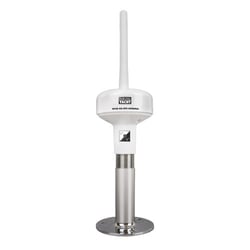

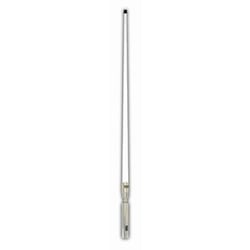



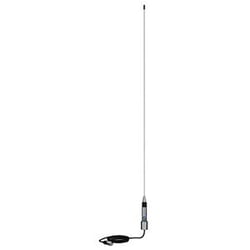
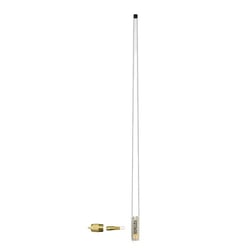
Shakespeare Antennas 5225-XT-AIS 8' Galaxy VHF/AIS Marine Antenna 6dB Gain

What Are AIS Antennas and Why Do They Matter?
Automatic Identification System (AIS) is a technology that every serious mariner should understand. AIS antennas are the critical link between your vessel and the broader maritime traffic picture around you. As defined by the system itself, AIS combines GPS and VHF radio technologies with sophisticated digital processing to automatically identify vessels within VHF range, providing valuable information including each vessel's speed, heading, relative size, and time to their closest point of approach — all without requiring user interaction.
At its core, an AIS antenna is connected to a transponder, enabling it to send and receive vessel identification data including vessel name and type, speed, course, and destination. That information is then displayed on a chart plotter, multi-function display, or computer screen. Whether you're navigating a busy shipping lane, crossing an estuary at night, or keeping watch offshore, having a properly tuned AIS antenna can be the difference between early awareness and a dangerous surprise.
How AIS Antennas Work
AIS signals are transmitted on two VHF frequencies near 162 MHz, at the upper end of the VHF Marine Band. Dedicated AIS antennas are specifically tuned to these channels, making them far more effective than a standard VHF antenna pressed into double duty. Most marine AIS antennas are omnidirectional, meaning they receive and transmit a full 360 degrees — essential on a moving vessel where other boats can approach from any direction.
There are three types of AIS setups to be aware of: Class A transceivers, required on most commercial and passenger vessels; Class B transceivers, designed for recreational boaters and non-commercial craft; and receive-only AIS receivers, which let you see surrounding traffic without broadcasting your own position. Each benefits from a purpose-built AIS antenna optimized for the 161–162 MHz band.
What to Consider When Choosing an AIS Antenna
- Gain: For omnidirectional marine use, a gain close to 3 dBi is generally ideal — higher gain narrows the vertical radiation pattern, which can cause signal loss on a pitching or rolling vessel.
- Length: Longer antennas (8' vs. 4') generally offer higher gain, but mounting height and vessel type factor into the decision.
- Dedicated vs. Combo: Some antennas serve both VHF and AIS frequencies, while others are tuned exclusively for AIS. Combo antennas or antenna splitters allow a single antenna to serve both your VHF radio and AIS transceiver.
- Build quality: Saltwater is unforgiving. Look for fiberglass construction, stainless steel fittings, and marine-grade connectors that resist corrosion over time.
- Cable and connectors: Low-loss coaxial cable and quality PL-259 connections are just as important as the antenna itself — signal loss in the feedline can negate the benefits of even a premium antenna.
Top AIS Antenna Brands
Digital Antenna is one of the most respected names in marine antenna manufacturing. Based in Sunrise, Florida, and building antennas since 1991, Digital Antenna offers a comprehensive lineup of dedicated AIS antennas in 4', 8', and 16' lengths, with models ranging from 3 dB to 6 dB gain. Their antennas are precision-engineered and hand-tuned, and the brand is widely recognized for designing antennas specifically optimized to maintain and maximize digital VHF and AIS signals for the best possible transmit and receive range.
KJM is a dedicated marine electronics brand producing VHF and AIS antennas built to withstand harsh shipboard conditions. KJM's AIS antenna lineup features commercial-grade fiberglass construction with brass and copper elements, and the brand backs all of its antennas with a 5-year warranty — offering boaters solid long-term confidence in their safety equipment.