



Antenna Testers & Switches
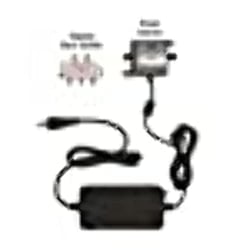
Winegard Co SKDPHPI Multi-Wally Switch Kit for SK-1000 TRAV'LER Satellite Antenna



Why Antenna Testers & Switches Matter for Marine Communication
On the water, your VHF radio is far more than a convenience — it's a critical safety lifeline. But even the most capable fixed-mount radio is only as reliable as the antenna system behind it. Antenna testers and switches are the unsung heroes of marine electronics maintenance, giving boaters the tools they need to verify signal integrity, diagnose problems, and manage multiple radios or frequencies from a single antenna setup.
What Do Antenna Testers Do?
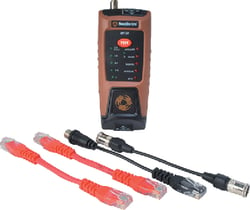
An antenna tester connects between your VHF radio and its antenna to measure the health of your entire communication chain. A good tester evaluates transmitter power output, antenna and coaxial cable condition, and receiver sensitivity — all in one compact device. This kind of diagnostic insight goes well beyond a simple radio check on the water. As marine electronics experts note, even a visually undamaged antenna can suffer from internal corrosion or compromised coaxial cable that silently robs your radio of range and clarity.
Measuring Standing Wave Ratio (SWR) is a key function of many antenna testers. SWR indicates how efficiently your radio's power is being radiated into the atmosphere rather than reflected back into the transmitter. A high SWR reading often points to a problem in the antenna element itself or somewhere along the coax run — information that can be the difference between a successful distress call and total silence offshore.
Understanding Antenna Switches & Splitters
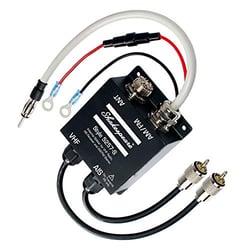
Antenna switches solve a common challenge aboard vessels equipped with multiple radios: how to share one antenna between two units, or operate AM/FM and VHF systems simultaneously without degrading performance. An automatic antenna switch can toggle between two radios connected to a single antenna, while band separators and splitters allow different radio types to coexist on one antenna without interfering with each other. These accessories simplify wiring, reduce the number of through-hull penetrations, and help keep your electronics installation clean and organized.
Key Considerations When Shopping
- Compatibility: Confirm that testers and switches are rated for the frequency range of your radio (VHF marine operates in the 156–163 MHz band).
- Permanent vs. portable use: Some antenna testers are designed for permanent installation next to your radio, providing a continuous system health monitor every time you transmit. Others are handheld tools better suited for seasonal checkups or troubleshooting.
- Number of radios: Choose a switch rated for the number of radio inputs you need to manage — basic two-radio switches are common, but some installations require more complex solutions.
- Build quality: Marine environments are harsh. Look for corrosion-resistant materials and weatherproof construction on any component that may be exposed to salt air or spray.
Shakespeare Antennas — The Industry Standard in Marine Electronics
Shakespeare Antennas is the most recognized name in marine antenna accessories, and their testers and switches reflect the same engineering pedigree that has defined the brand for over a century. Founded in 1897, Shakespeare is credited with manufacturing the first fiberglass marine antenna in 1954 and pioneering low-angle radiation techniques that set the benchmark for the entire industry. Their ART-3 Antenna Radio Tester is a widely trusted tool among cruisers and marine electronics technicians, offering a palm-sized, inline device that monitors transmitter power, antenna health, and receiver performance in real time. Shakespeare's splitter and switch lineup — including automatic antenna switches and multi-band separators — rounds out a comprehensive ecosystem for managing your vessel's communication system from one trusted source.