



Anti-Siphon Valves

What Is an Anti-Siphon Valve?
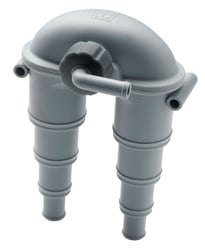
Anti-siphon valves are small but critical safety components in any marine or RV fuel system. Anti-siphon valves are check-style devices installed in the fuel line that allow normal fuel flow to the engine while preventing fuel from flowing backward or being siphoned out of the tank. In plain terms, they act as a one-way gate — open when the engine demands fuel, closed when it doesn't.
Why Anti-Siphon Valves Matter
The stakes in a marine environment are especially high. The anti-siphon valve is typically located on top of the fuel tank where the fuel feed hose connects, and it is a U.S. Coast Guard (USCG) required part that prevents fuel from leaking into the bilge should a fuel line fail or get cut below the tank level.
The anti-siphon valve has one purpose: it prevents fuel from siphoning out of the gas tank in case the hose is cut or burned off at some point and hangs below the level of fuel in the tank, which would cause the gasoline to siphon out. In a boat's enclosed bilge, even a small amount of leaked gasoline creates a serious fire and explosion hazard — making this valve far more than just a convenience part.
It takes about 1.5 inches of vacuum to pull the check valve off its seat and allow fuel flow — above what a siphon can cause, but well below what a fuel pump will pull. This clever mechanical threshold is what allows the valve to distinguish between intentional engine demand and an accidental siphoning event.
Recognizing a Failing Anti-Siphon Valve
Like all fuel system components, anti-siphon valves require periodic inspection. Common symptoms of an anti-siphon valve going bad include lower than normal top-end performance or loss of RPMs at the upper range, caused by the valve not opening fully due to internal corrosion. If fuel is leaking back to the tank, you likely have a bad anti-siphon valve — either the ball and/or seat is scored, or the spring is worn out. Routine replacement is especially important on older vessels, as this is a very common problem on boats more than 10 years old.
What to Look for When Shopping
When selecting an anti-siphon valve for your boat or RV, keep these factors in mind:
- Fuel line size compatibility: Valves are sized to match your fuel line diameter — typically 3/8" or 1/2" for most marine applications.
- Material quality: Marine-grade brass or corrosion-resistant alloys stand up to the harsh saltwater and fuel-exposure environment far better than standard hardware.
- USCG compliance: Marine anti-siphon valves are often required by U.S. Coast Guard (USCG) regulations , so confirm the part you select meets applicable standards for your vessel type.
- Ease of installation: Most valves thread directly into the tank fitting. Always use Teflon tape on threads to ensure a leak-free seal.
- Service interval: Plan to inspect the valve at least annually, and replace it if you notice any restriction in fuel flow or signs of corrosion.
Top Brands in Anti-Siphon Valves
When it comes to dependable marine fuel safety components, Vetus is a name that stands out. A globally respected Dutch marine equipment manufacturer, Vetus engineers components specifically for the demands of recreational and commercial boating — including fuel system hardware built to withstand corrosion, vibration, and the rigors of life on the water. Their anti-siphon valves are designed with marine-grade materials and precision tolerances to deliver consistent, reliable protection for your fuel system.