



Wood Finish Products
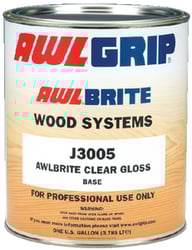

Wood finish products are the clear coatings, varnishes, primers and topcoats that protect exposed wood on boats, RVs and other outdoor vehicles. Teak rails, mahogany trim, cabin doors, hatches and deck furniture all face relentless sun, moisture, salt and temperature swings. Without a proper finish, wood greys, cracks and rots. A good wood finish seals the surface, filters ultraviolet light and keeps the grain looking rich for seasons rather than weeks.
Why Wood Finish Matters
Brightwork is one of the most visible features of a well-kept vessel, and also one of the most demanding to maintain. Traditional varnish can darken, yellow or lose gloss as UV light breaks down the film, which means frequent sanding and recoating. Modern systems are engineered to reduce that cycle. They combine penetrating primers that bond to the wood with flexible clear topcoats that move with the wood as it expands and contracts, helping prevent cracking and peeling.
What to Consider When Choosing a Wood Finish
- Application area: Many marine wood finishes are designed for use above the waterline only, so check the label before coating anything that will be submerged.
- System vs. single product: Primer-and-topcoat systems typically outperform a lone varnish because each layer does a specific job, from color stability to gloss retention.
- Sheen: Gloss gives a deep, mirror-like look, while satin or matte finishes provide a subtler, more modern appearance.
- Climate: Hot, humid or tropical conditions can affect cure time and film performance, so look for formulas rated for your environment.
- Surface preparation: Clean, dry, properly sanded wood is essential for adhesion and a long-lasting result.
- Repairability: Finishes that can be buffed or spot-repaired save time compared with those that require complete stripping.
Top Brand in Wood Finish Products
Awlgrip is a respected name in marine coatings, best known for high-performance topcoat systems used on yachts and professional refinishing projects. In wood finishes, its Awlwood line pairs a primer, available in clear, red and yellow tints, with a clear topcoat that adheres directly to the wood. The Awlwood Clear Gloss is a fast-curing one-component varnish noted for abrasion resistance on cap rails and deck furniture, and the system is also offered in a satin matt finish. Awlgrip also makes Awlspar, a fast-drying tung oil varnish aimed at protecting brightwork against water and weather.
For boat owners, RV enthusiasts and restorers who want brightwork that holds its depth and clarity, a well-chosen wood finish system is an investment in the long-term condition of the wood. Pairing the right primer with a compatible clear coat, and following the manufacturer's preparation and recoat guidance, delivers the best results.