



Ball Valves
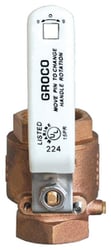

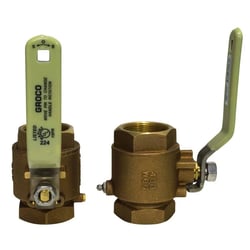
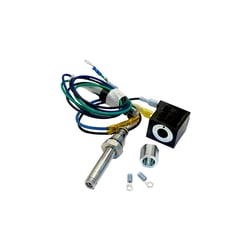
Equalizr Sys 7493 Bi-Rotational Drain Valve Kit for RV Hydraulic Leveling Systems

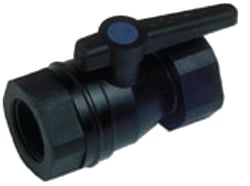

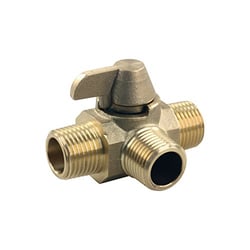

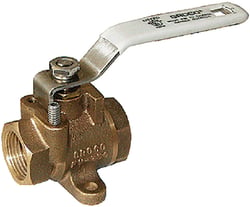
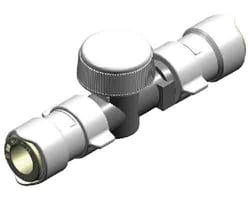

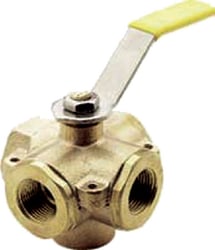

 Representative Photo, actual item may vary

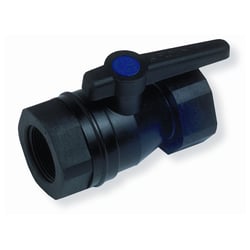
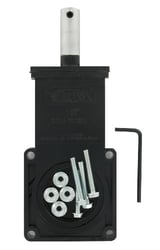

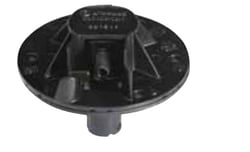

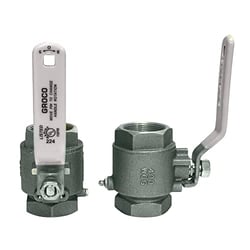
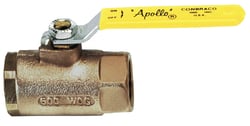

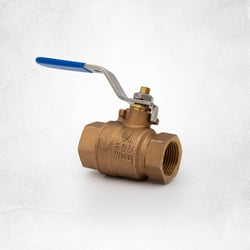

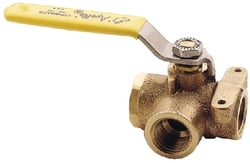
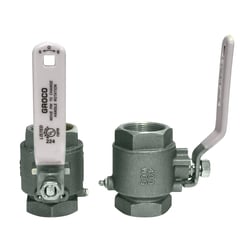
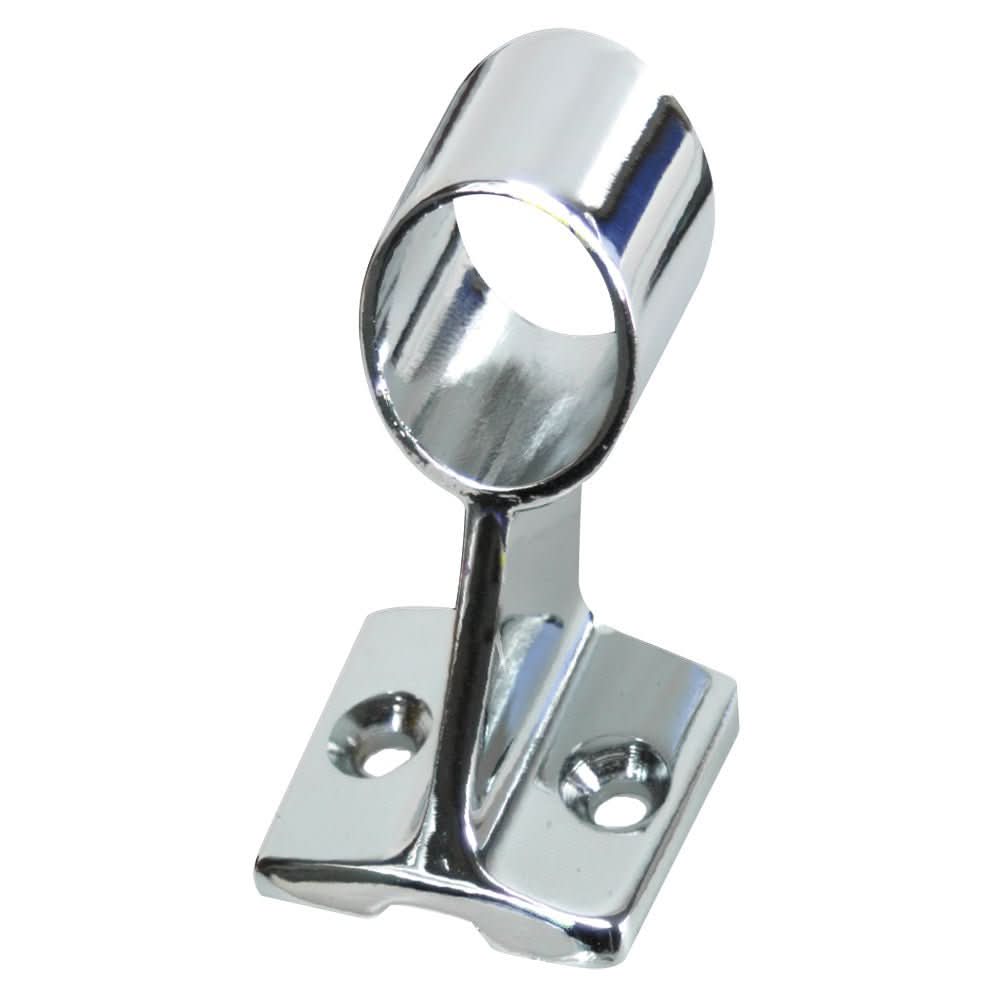 Representative Photo, actual item may vary

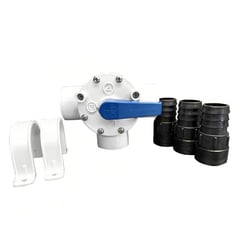
Raritan Engineering DV11 Diverter Y Valve with Fittings - 1.5 inch NPT Marine Waste Valve

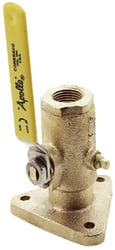
Conbraco/Apollo 37-W565700 Stainless Steel Lever and Grip for 3/4" Ball Valve
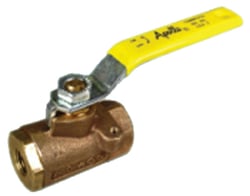
 Representative Photo, actual item may vary
 Representative Photo, actual item may vary
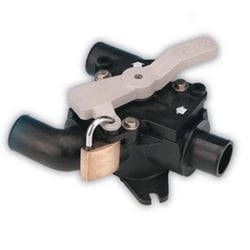

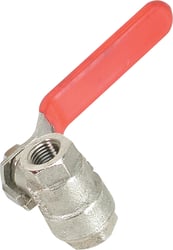

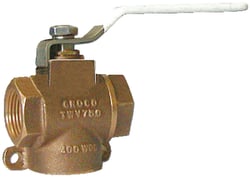
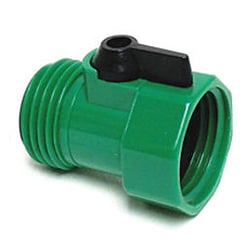
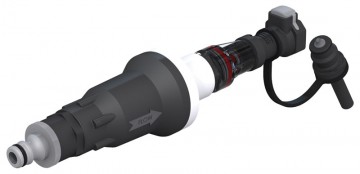 Representative Photo, actual item may vary
Flow Rite MV-12-RN01 2-Position Livewell Valve Empty/Auto Rear Cable 3/4 Qwik-Lok

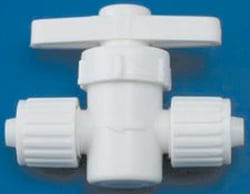
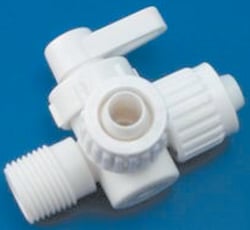
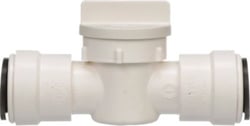

 Representative Photo, actual item may vary

 Representative Photo, actual item may vary
 Representative Photo, actual item may vary
 Representative Photo, actual item may vary

What Are Ball Valves and Why Do They Matter?
Ball valves are one of the most reliable and widely used flow-control devices in plumbing and fluid systems. Named for the hollow, perforated sphere — or "ball" — inside the valve body, they work by rotating a quarter-turn to open or close the flow path. When the ball's bore is aligned with the pipe, fluid flows freely; a 90-degree turn blocks the flow completely. This simple, robust mechanism gives ball valves a major advantage over gate valves and globe valves: near-instant shutoff with minimal effort and exceptional long-term reliability.
Where Ball Valves Are Used
Ball valves appear in an enormous range of applications. In marine environments, they are essential components of raw water intake systems, bilge systems, fuel lines, live wells, and holding tanks. Aboard a boat, a properly rated ball valve can be the difference between a minor nuisance and a catastrophic flood — making selection and quality absolutely critical. Beyond marine use, ball valves are staples of freshwater plumbing, irrigation systems, RV water systems, and industrial fluid management setups.
Because they must often operate in wet, saltwater, or chemically aggressive environments, marine-grade ball valves are typically constructed from bronze, stainless steel, glass-filled nylon, or specialized polymers designed to resist corrosion and UV degradation. Choosing the right material for your specific application — saltwater versus freshwater, fuel versus water, high-pressure versus low-pressure — is one of the most important decisions when shopping this category.
Key Considerations When Choosing a Ball Valve
- Material: Bronze and stainless steel offer excellent durability in saltwater. Engineered polymers like glass-filled nylon provide lightweight, corrosion-proof alternatives for less demanding environments.
- Pressure Rating: Always verify the valve's working pressure rating matches or exceeds your system's maximum operating pressure.
- Port Size and Configuration: Full-port valves allow unrestricted flow matching the pipe bore; standard-port valves have a slightly reduced opening. Match the valve's port size to your fitting or hose size.
- Actuation Type: Most ball valves are manually operated via a lever handle, but actuated (electric or pneumatic) versions are available for remote-control or automated systems.
- Certifications: For through-hull and seacock applications, look for valves that meet ABYC and USCG standards for safety-critical marine installations.
Top Brands in Ball Valves
When it comes to trusted names in marine and plumbing ball valves, Forespar stands out as a premier choice. Forespar has built a strong reputation in the marine industry for producing high-quality, corrosion-resistant valves and plumbing components engineered specifically for the demanding conditions found aboard boats and vessels. Their ball valves are widely respected among sailors and powerboaters alike for their durability and precision engineering.
Choosing the Right Ball Valve for Your System
Whether you're replacing a worn seacock, upgrading an aging freshwater system, or building a custom plumbing circuit from scratch, investing in a quality ball valve pays dividends in safety, reliability, and peace of mind. Take the time to match the valve's material, pressure rating, and port size to your exact application — and when in doubt, opt for a marine-grade product that exceeds the demands of your environment rather than one that merely meets them.