



Buffers & Polishers
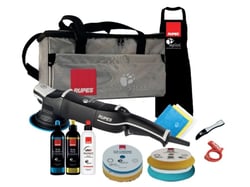
Rupes LHR15V/US/CMP BigFoot LHR15 Mark V Random Orbital Polisher Complete Kit

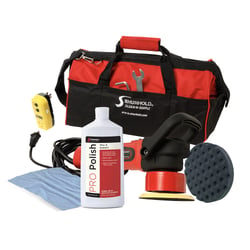

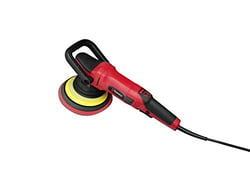
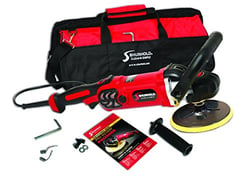
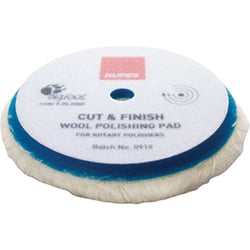
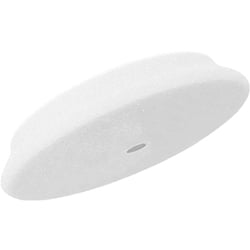
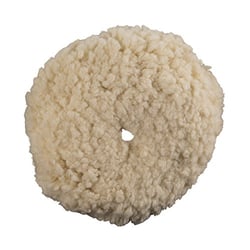
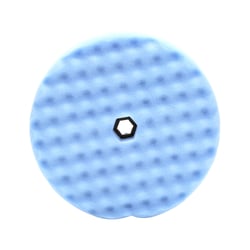

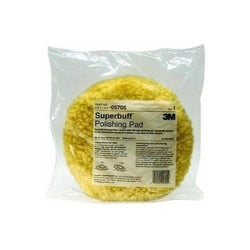
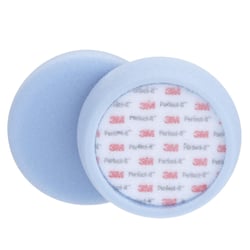
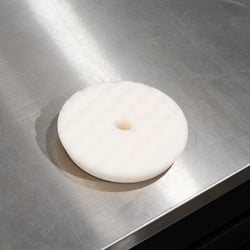
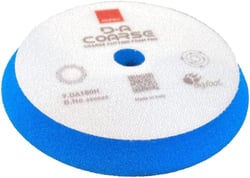
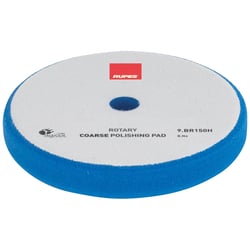
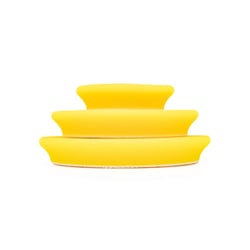
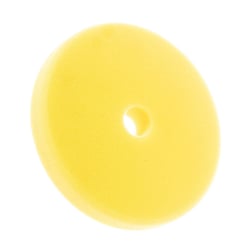
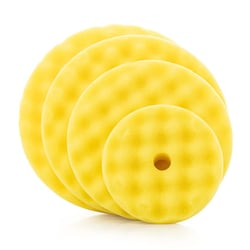
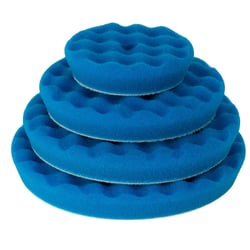
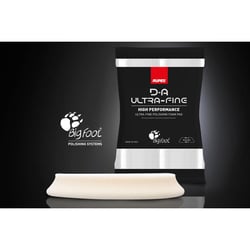

 Representative Photo, actual item may vary
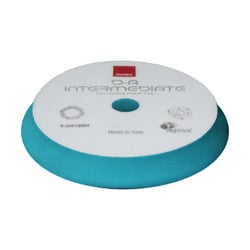
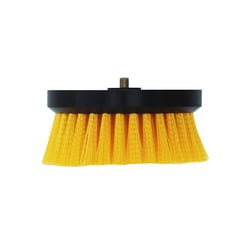
 Representative Photo, actual item may vary
Rupes Usa HLR21/CB2/STD BigFoot HLR21 Ibrid Cordless Random Orbital Polisher Kit
 Representative Photo, actual item may vary
Rupes USA 9.HLR21 BigFoot HLR21 iBrid Cordless Random Orbital Polisher Tool Only
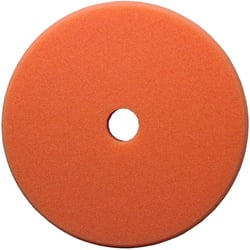

 Representative Photo, actual item may vary

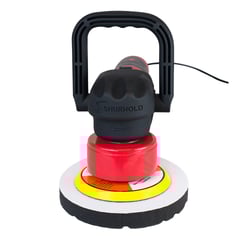
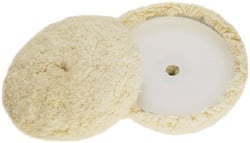

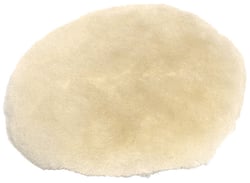
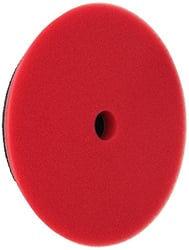
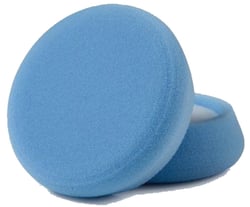
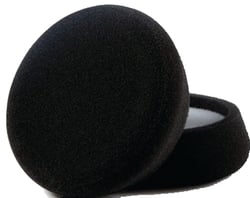
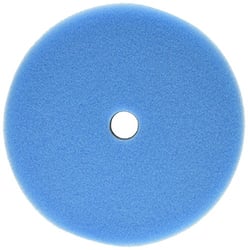
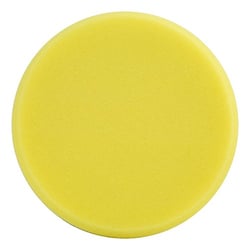
 Representative Photo, actual item may vary
 Representative Photo, actual item may vary
 Representative Photo, actual item may vary
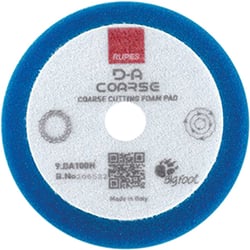
 Representative Photo, actual item may vary
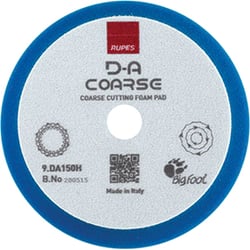
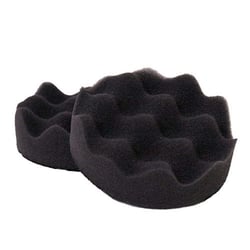
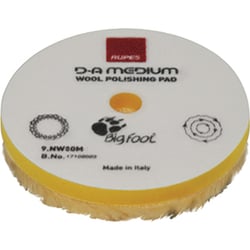
 Representative Photo, actual item may vary

Why Buffers & Polishers Are Essential for RV and Marine Maintenance
The gel coat and fiberglass surfaces of a boat or RV take a relentless beating — UV rays, salt air, road grime, oxidation, and water spots all conspire to rob them of their original luster. A dedicated buffer or polisher is the most effective way to fight back, cutting through surface defects, restoring deep gloss, and prepping the surface for wax or sealant protection. Unlike hand application, a machine buffer dramatically reduces the time and physical effort required, while also delivering more consistent, professional results across large surface areas.
Understanding the different types of machines helps you choose the right tool for the job. Random orbital polishers are the most beginner-friendly option, using an elliptical motion that makes it nearly impossible to burn through a clear coat or gel coat. Rotary (or circular) polishers spin on a fixed axis, offering more aggressive cutting power for severely oxidized or damaged surfaces — but they demand more technique and experience. Dual-action (DA) forced-rotation polishers split the difference, combining the safety of an orbital with more correction power. For RV and marine applications, where large flat surfaces are the norm, higher-throw DA polishers and rotaries are especially productive.
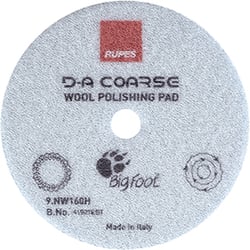
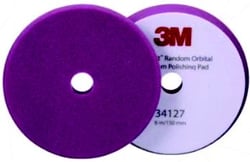
Just as important as the machine itself are the pads and compounds used with it. Cutting pads and heavy compounds tackle deep oxidation and scratches, while polishing pads refine the surface, and soft finishing pads apply glazes, sealants, or waxes for that final mirror-like sheen. Many professionals recommend a matched system — using pads and compounds designed to work together for optimal results.
Top Brands in RV & Marine Buffers & Polishers
Rupes USA stands at the pinnacle of professional polishing technology. Founded in Italy in 1947 , Rupes built its reputation on innovation — introducing the world's first electric random orbital sander in 1968. Their BigFoot line of long-throw random orbital polishers is widely considered the gold standard, and the BigFoot series delivers superior paint correction results with reduced heat and significantly lower risk of burning through clear coat, thanks to an engineered throw and counter-balance system.
Meguiar's has been a trusted name in surface care for well over a century and offers a dedicated Marine & RV product line purpose-built for gel coat and fiberglass. Their marine formulas safely and effectively remove light oxidation, haze, minor scratches, and swirls, while providing durable long-lasting protection against salt air, corrosion, and UV rays. From one-step compounds to multi-stage polishes and finishing waxes, Meguiar's makes it easy to work through a complete correction process.
3M is synonymous with surface finishing across automotive, marine, and industrial applications. Their Marine line of compounds and polishes is engineered for the demanding environments boats and RVs face, making them a go-to choice for professional detailers and body shops who need reliable, repeatable results at scale.
Buff and Shine has specialized in polishing pads since 1987 and has grown into a global force in detailing consumables. They offer a comprehensive line of pads for all types of polishing equipment — from high-speed rotary to dual-action and long-throw machines — in a full range of materials including wool, microfiber, hybrids, and numerous foam formulations. Their USA-made pads are trusted across automotive, marine, and aerospace industries.
Shurhold rounds out the category with a marine-first philosophy, offering polishers and care products designed specifically for boat owners. Shurhold's tools are engineered with ease of use in mind, making professional-level results accessible to weekend boaters and RV enthusiasts who want to maintain their investment without a steep learning curve.
What to Consider When Shopping Buffers & Polishers
- Machine type: Random orbital for beginners and safety; rotary for aggressive correction; DA forced-rotation for a balance of both.
- Surface size: Larger backing plates (6"–8") cover ground faster on open hull and RV sidewall surfaces.
- Pad compatibility: Match pad material and density to the level of correction needed — cutting, polishing, or finishing.
- Corded vs. cordless: Cordless models offer freedom of movement around a boat or campsite; corded models deliver consistent power for marathon sessions.
- Ergonomics: Look for low-vibration designs and comfortable grips — large surfaces mean extended run times.