



Carburetors
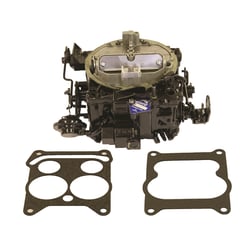

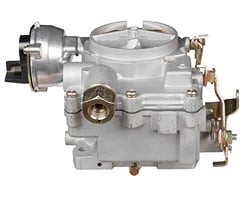
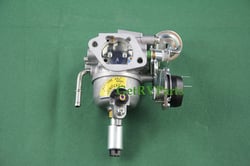

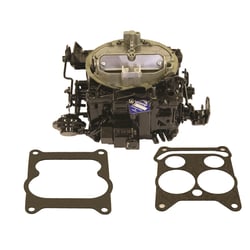
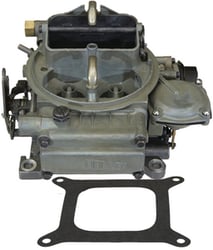
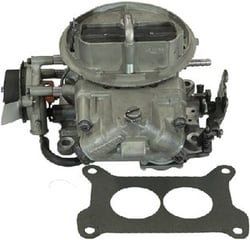
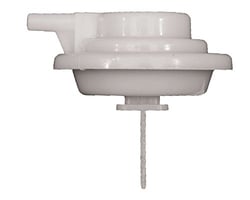
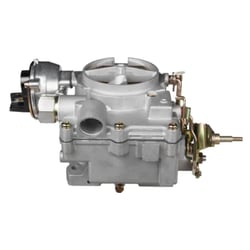
 Representative Photo, actual item may vary
 Representative Photo, actual item may vary
What Is a Marine or RV Carburetor — and Why Does It Matter?
The carburetor is the heart of any naturally-aspirated gasoline engine's fuel system. Its core job is deceptively simple: precisely mix air and fuel in the correct ratio before it enters the combustion chamber. Too little fuel and the engine runs lean, risking damage or stalling; too much and it runs rich, wasting fuel and producing rough, smoke-laden performance. On the water or at a remote campsite, a misfiring or flooded engine is more than an inconvenience — it can become a safety issue.
Marine and RV carburetors face a uniquely demanding set of challenges compared to their automotive counterparts. Unlike automotive carburetors, marine carburetors are specifically engineered to resist corrosion, accommodate continuous RPM loads, and handle moisture and salt exposure common in marine environments. They also feature a J-shaped vent tube that directs any vented fuel harmlessly back into the carburetor body — a critical safety requirement for enclosed engine compartments where fuel vapors can accumulate. RV generator carburetors face their own adversary: ethanol-blended fuels that sit in the tank for extended periods, causing varnish, gumming, and buildup that can render a carburetor useless exactly when backup power is needed most.
Complete Carburetors vs. Rebuild Kits: What's Right for You?
When your engine starts hard, idles rough, leaks fuel, or loses throttle response, the carburetor is a prime suspect. Depending on the severity of the issue and the age of the unit, you'll generally have two paths forward:
- Carburetor Rebuild Kits – Ideal for carburetors that are fundamentally sound but suffering from worn gaskets, degraded needle valves, or gummed-up passages. Kits typically include all the essential seals, floats, and jets needed for a full refresh at a fraction of the cost of a complete replacement.
- Replacement Carburetors – When the carburetor body is corroded, warped, or beyond economical repair, a direct replacement — whether remanufactured or new — restores factory performance and reliability quickly with minimal labor.
Top Brands for Marine & RV Carburetors
Sierra is one of the most trusted names in marine engine parts. Sierra carburetor kits and remanufactured units cover a wide range of popular engines — from Mercury and Yamaha outboards to Johnson/Evinrude and Volvo sterndrives — with parts engineered to meet or exceed OEM specifications. Whether you're tackling hard-starting issues, fuel leaks, or rough running, Sierra's lineup offers the depth of coverage serious boat owners rely on.
Speedmaster brings a performance-oriented approach to carburetor components, offering billet aluminum construction and performance-focused designs compatible with popular 4150/4160 Holley-style platforms. Their carburetors are geared toward enthusiasts who want to maximize airflow and fuel delivery in high-output marine and performance applications.
Generac carburetors are the go-to solution for keeping RV and portable generators running reliably. Fuel sitting in a generator tank for months is the primary enemy of carburetor health, and Generac's replacement carburetors and rebuild kits are purpose-built to restore proper fuel delivery to their generator engines — ensuring your power source is ready when you need it most.
Key Considerations When Shopping for a Carburetor
- Engine Compatibility: Always verify your engine's make, model, and horsepower before purchasing. Marine carburetors are highly application-specific.
- 2-Barrel vs. 4-Barrel: Inboard and sterndrive V8 engines commonly use 2- or 4-barrel carburetors, while outboards typically use simpler single-barrel designs.
- CFM Rating: For performance applications, matching the carburetor's airflow capacity (measured in CFM) to the engine's actual requirements is critical to avoid sacrificing either power or fuel economy.
- Fuel Stability: If storing your vessel or RV for the season, use a quality fuel stabilizer to prevent varnish deposits from compromising the carburetor's precision passages.