



Circulation & Air Conditioning Pumps
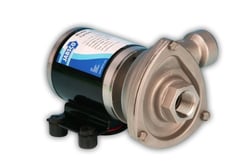

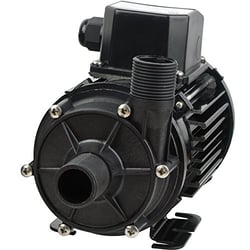
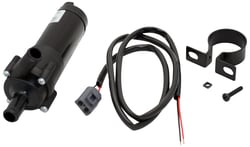
Johnson Pumps 102448803 CM Series Magnetic Drive Circulating Pump 12V 5.3 GPM

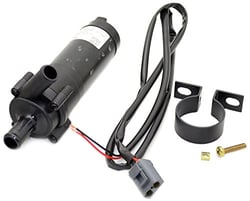
Johnson Pumps 10-24486-03 CM10P7-1 Magnetic Drive Circulation Pump 12V 4 GPM
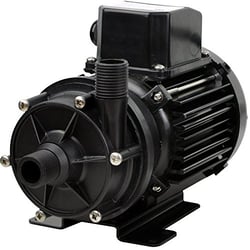
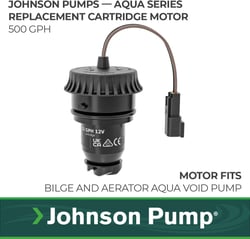
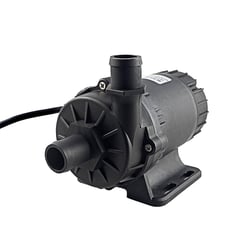

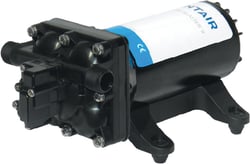

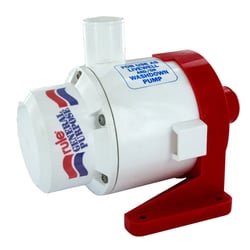



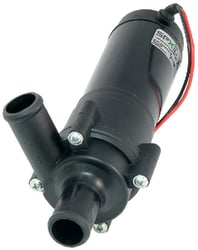
Johnson Pumps 102450403 CM Series Mag Drive Centrifugal Circulating Pump 6.9 GPM 12V
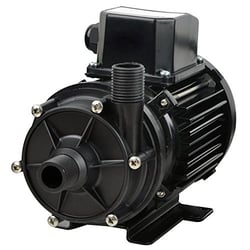
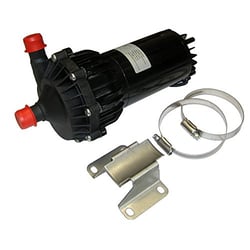
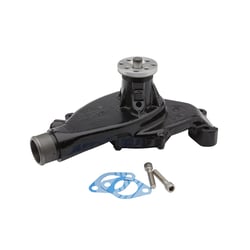

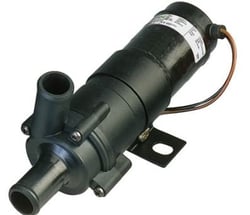
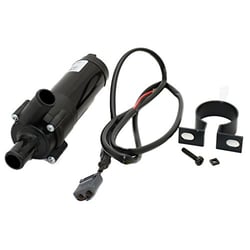
 Representative Photo, actual item may vary
What Are Circulation & Air Conditioning Pumps?
Circulation and air conditioning pumps are the workhorses behind the fluid movement in heating, cooling, and climate control systems aboard boats, RVs, and marine vessels. Whether you need to keep an engine at the right temperature, push seawater through a marine air conditioning unit, or circulate freshwater through a hydronic loop, the right pump keeps critical systems running smoothly and efficiently. A failing or undersized pump can mean overheating engines, uncomfortable cabins, or costly damage to components — making pump selection one of the most important decisions for any RV owner or boater.
Circulation Pumps: The Heart of Hydronic Systems
In hydronic heating and cooling setups — common on larger vessels, liveaboards, and RVs with radiant heating — a circulation pump continuously moves heated or chilled water through a closed loop. These pumps are compact, quiet, and typically self-lubricating, designed to run continuously with minimal maintenance. Key specifications to consider include flow rate (measured in GPM), maximum head pressure, voltage requirements (12V DC for marine/RV, 115V AC for shore-powered systems), and body material (cast iron for closed hydronic loops, bronze or stainless steel for open and potable water systems).
Marine Air Conditioning Pumps
Marine air conditioning systems rely on seawater as a heat exchange medium. A dedicated seawater circulation pump draws water from below the waterline, passes it through the AC unit's condenser, and discharges it overboard. These pumps must contend with corrosive saltwater, varying ambient temperatures, and the vibration of a running vessel — making material quality and robust construction essential. Features like magnetic drive (seal-less) designs and run-dry capability are valued in marine AC applications for their reliability and reduced maintenance demands.
Top Brands in Circulation & Air Conditioning Pumps
Xylem-Bell & Gossett is a globally recognized leader in pump technology. Their circulator lineup covers hydronic heating, potable water recirculation, and solar thermal applications, with models available in cast iron and lead-free bronze construction featuring oil-lubricated, wet rotor, or dry rotor bearings — engineered for exceptional energy efficiency and easy maintenance.
Taco has been a driving force in pump innovation since the 1920s. Their extensive catalog includes the legendary 007 cartridge circulator and modern ECM high-efficiency models — the 00e series uses a permanent magnet motor that can reduce power consumption by up to 85% compared to fixed-speed pumps, making Taco a smart choice for energy-conscious applications.
Grundfos is a Danish pump manufacturer renowned worldwide for engineering precision and energy-efficient designs. Grundfos circulators are widely trusted in both residential and commercial systems for their advanced variable-speed technology and long service life.
Johnson Pumps brings over eight decades of marine pumping expertise to the table. Their marine-specific circulation pumps are designed for engine cooling, air conditioning, and other onboard systems, with a particular reputation for impeller technology and products that balance reliability with low power requirements — well-suited to both leisure and commercial vessels.
Armstrong rounds out this category with a strong heritage in fluid handling. Armstrong's pump offerings are respected in hydronic and HVAC applications for their durable construction and broad range of configurations suited to demanding circulation duties.
Choosing the Right Pump
- Application: Hydronic heating loop, marine AC seawater circuit, engine cooling, or freshwater recirculation each call for different pump types.
- Flow Rate & Head: Match the pump's GPM and head rating to your system's demand — undersizing causes poor performance, oversizing wastes energy.
- Voltage: Confirm whether your system runs on 12V/24V DC (typical for marine/RV) or 115V/230V AC (shore power or generator).
- Body Material: Use cast iron for closed, treated hydronic loops; bronze or stainless steel for open, saltwater, or potable water systems.
- Seal Design: Magnetic drive (seal-less) pumps eliminate the most common failure point in wet environments, extending service intervals aboard vessels.