



Cleats
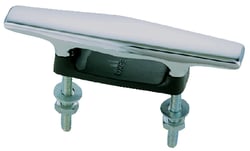

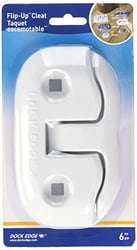

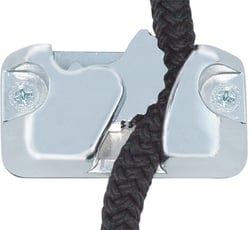

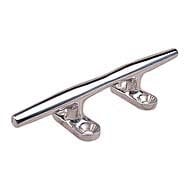


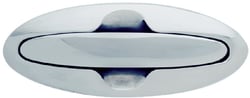
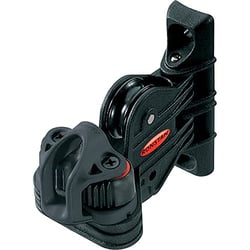

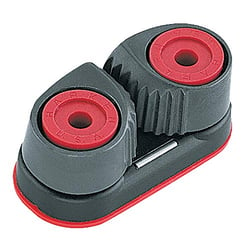
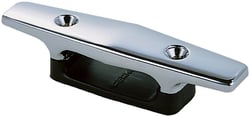
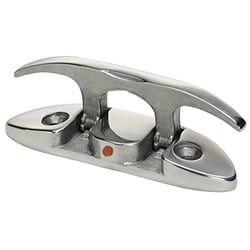

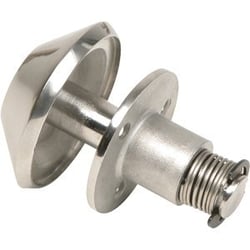
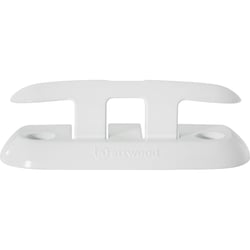
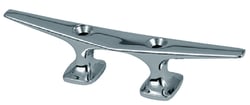
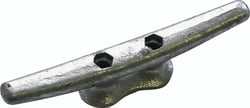

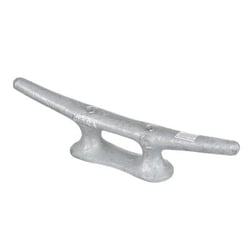

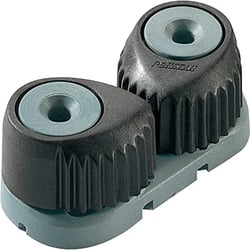
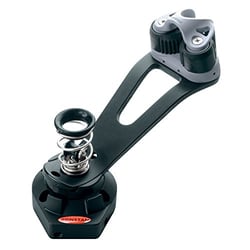
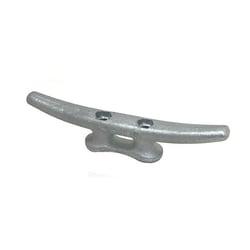
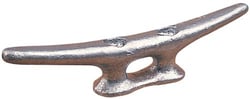
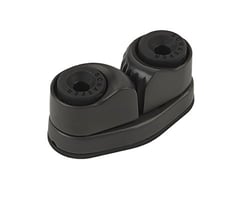

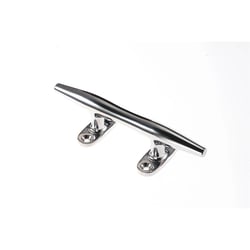
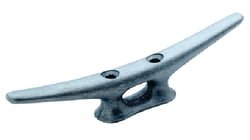
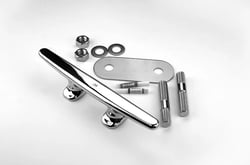
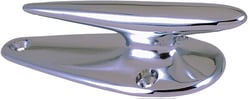
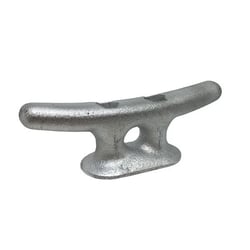
 Representative Photo, actual item may vary
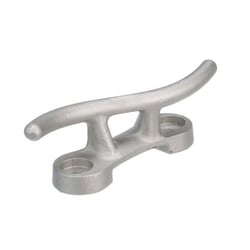
Gen3 Marine Aluminum S Dock Cleat
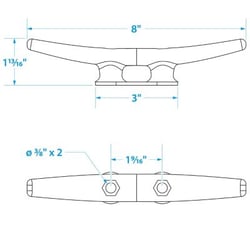
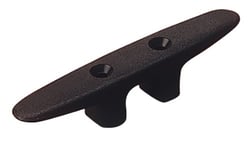
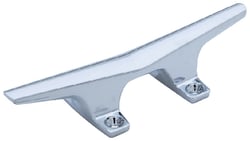
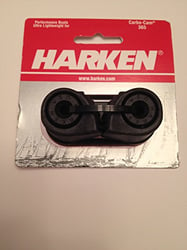
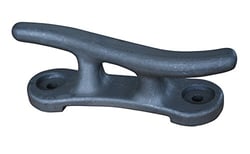
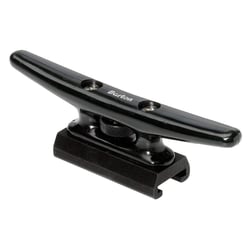

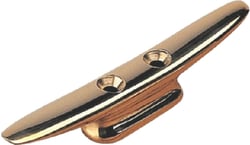
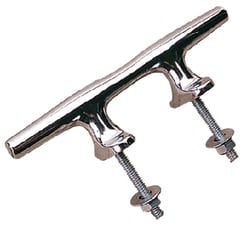
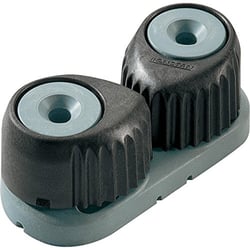
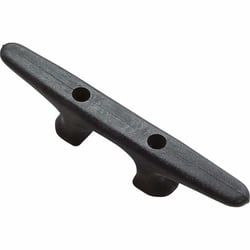
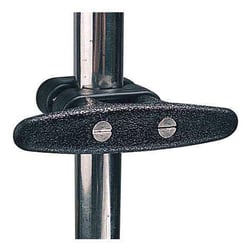
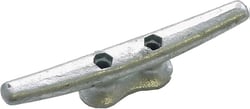
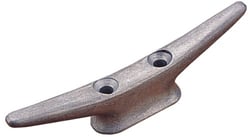
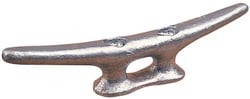
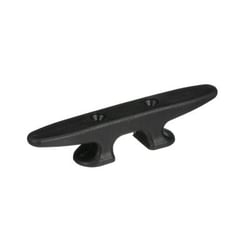

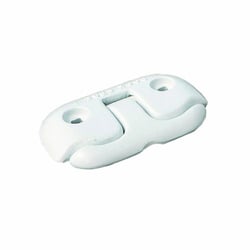
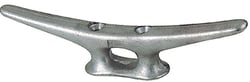
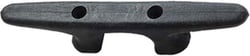
 Representative Photo, actual item may vary

What Are Marine Cleats and Why Do They Matter?
At first glance, a cleat might seem like one of the simplest pieces of hardware on a boat or dock — but don't be fooled by its modest profile. Marine cleats are the critical link between your vessel and its mooring point. When the wind picks up, tides shift, or a wake rolls through the marina, a properly sized and well-mounted cleat is what keeps your boat right where you left it. Undersized or poorly installed cleats are among the most preventable causes of boat damage on the water.
Cleats serve two primary roles: boat cleats are mounted directly on a vessel's deck to secure lines to anchors, fenders, or docks, while dock cleats are installed on piers and docks to provide fixed tie-down points for mooring lines. Dock cleats are typically larger and more robust to handle the higher tension demands of keeping a vessel secured against currents and wakes.
Types of Marine Cleats
Not all cleats are built alike — style, size, and material all play a significant role in choosing the right hardware for your setup.
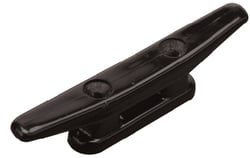
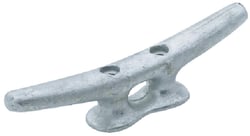
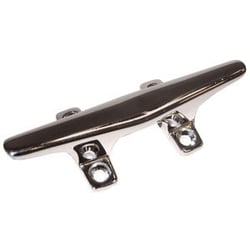
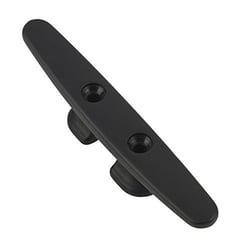
- Horn Cleats: The most common style found on boats and docks. Their T-shaped profile allows for quick, secure rope wrapping and works well for docking, mooring, and spring lines. Available in stainless steel, aluminum, galvanized iron, and nylon.
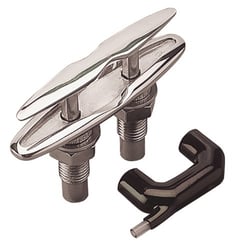
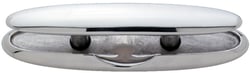
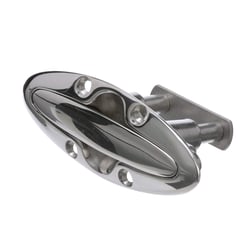
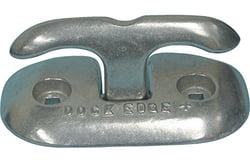
- Flip-Up / Pop-Up Cleats: Designed for a low-profile look, these fold flat when not in use, reducing trip hazards and keeping deck areas clean and unobstructed.
- S-Style Cleats: The S-shaped horn design allows for fast line handling and flexible mounting positions, and is particularly popular on dock applications and pontoons.
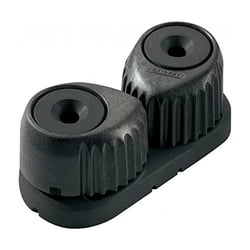
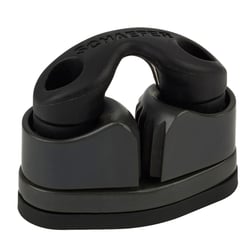
- Cam Cleats: Spring-loaded clamps that grip line under tension without knotting — ideal for sailboats and smaller vessels where quick line adjustments are needed.
- Rail Cleats: Designed to clamp or bolt directly onto dock railings, providing a convenient mooring point without requiring deck penetration or additional hardware.
Choosing the Right Cleat: Size, Material & Mounting
Cleat sizing isn't a guessing game — a common rule of thumb is that cleat length should be roughly 10 times the diameter of the dock line it will serve. For mooring in choppy or tide-prone conditions, it's always better to size up. Boat size matters too; larger vessels demand heavier-duty cleats with four-bolt mounting configurations for maximum holding strength.
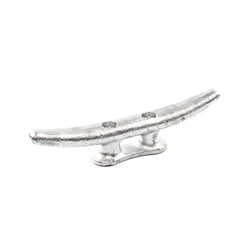
Material selection is equally important, especially given the corrosive nature of the marine environment. Stainless steel offers excellent corrosion resistance and is the go-to choice for saltwater applications, while anodized aluminum provides a lightweight, rust-resistant option well-suited to freshwater use. Galvanized iron delivers solid durability and value for work boats, seawalls, and docks, though it may require more maintenance in tidal or brackish environments. Nylon and plastic cleats work well for light rigging, flags, and low-load applications, but should not be used for primary mooring.
Proper installation is just as critical as the cleat itself. Always use backing plates to distribute load and prevent pull-through, marine-grade fasteners to resist corrosion, and a marine sealant around mounting holes to prevent water intrusion.
Top Brands in Marine Cleats
Seachoice is one of the most respected names in marine hardware, and cleats are quite literally where the brand got its start. Founded in 1988 with a specific focus on cleats, hinges, and hasps, Seachoice has grown its catalog to over 6,000 marine parts and accessories. Their cleat lineup spans galvanized iron open-base dock cleats, chrome-plated brass hollow-base yacht cleats, 316 stainless steel flush cleats, cast aluminum S-dock cleats, and rugged plastic tie-down cleats — covering virtually every application from weekend pontoon boats to heavy-duty work boat docks.