



Compounds
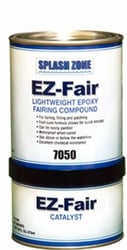



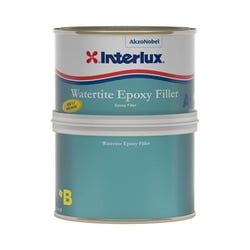

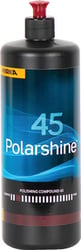
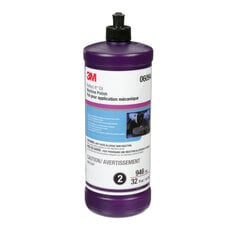

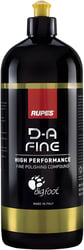

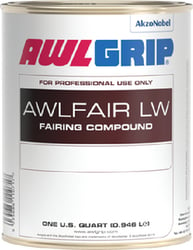
Awlgrip D8200G Awlfair LW Two-Component Epoxy Trowelable Fairing Compound Base White 1 Gallon


 Representative Photo, actual item may vary

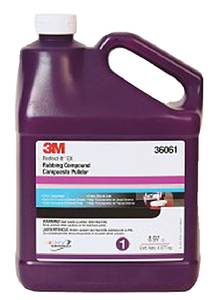 Representative Photo, actual item may vary
What Are Marine & RV Compounds?
Compounds are abrasive finishing products designed to cut through oxidation, scratches, stains, and surface defects on painted, gel-coated, and fiberglass surfaces. In the RV and marine world, the finish on your hull, deck, or coach body takes a beating from UV rays, salt water, road grime, and weathering — often resulting in chalky oxidation, swirl marks, and a dull, faded appearance. A quality compound is the critical first step in any paint correction or restoration process, using controlled abrasive action to level the surface before polishing brings back the gloss.
Why Compounds Matter for Boats and RVs
Unlike passenger vehicles, boats and RVs present unique finishing challenges. Fiberglass gel coat — the thick, pigmented resin layer that gives boats and many RVs their color — is particularly vulnerable to UV degradation and can become heavily oxidized over time. Standard automotive compounds are often too aggressive or not formulated for the thickness and hardness of gel coat. Marine and RV-specific compounds are engineered to remove surface damage efficiently without burning through the finish or leaving behind excessive swirl marks.
Compounds are typically available in varying cut levels — heavy cut for severe oxidation and deep scratches, medium cut for moderate defects and surface prep, and fine cut for light correction and pre-polish refinement. Choosing the right cut level for your surface condition is key to achieving a professional result without over-working the finish.
Key Considerations When Shopping for Compounds
- Surface type: Gel coat, fiberglass, painted topcoat, and clear coat each respond differently to abrasives. Always verify the compound is rated for your specific surface.
- Cut level: Match the compound aggressiveness to the severity of the defects — heavier oxidation calls for a heavier cut, while lighter swirl marks may only need a fine compound.
- Application method: Some compounds are formulated for machine application (rotary or dual-action polisher), while others can be applied by hand. Professional results almost always favor machine application.
- Water-based vs. solvent-based: Water-based compounds remove scratches permanently and resist washing out, whereas solvent-based formulas can sometimes only mask defects temporarily.
- Follow-up steps: Compounding is rarely the final step — plan for a polish and protectant or wax to seal in the finish after correction.
Top Brands in Marine & RV Compounds
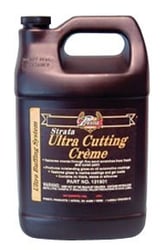
Presta has long been a trusted name among professional detailers and marine technicians. Their compound lineup is engineered for demanding marine and fleet applications, offering a range of cut levels and formulations well-suited to gel coat and fiberglass restoration work.
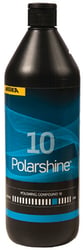
Mirka brings Finnish engineering precision to the marine finishing world. Their Polarshine Marine series is a water-based, silicone-free compound system spanning heavy, medium, and fine cut options — trusted by boat builders and restoration specialists for reliable, repeatable results on gel coat and topcoat surfaces.
Rust-Oleum is a widely recognized coatings brand with a dedicated marine line that extends into surface preparation and compounds. Their products are known for broad availability and reliable performance on RV and marine painted surfaces, making them a popular choice for DIY owners tackling restoration projects.
Farecla is a specialist finishing brand with decades of heritage in professional marine and automotive paint correction. Their G3 and Profile compound systems are respected in boatyards and detailing shops for aggressive cutting ability combined with a refined finish.