



Contact Adhesives
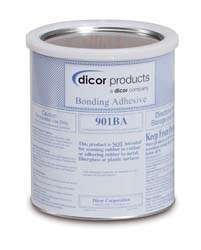

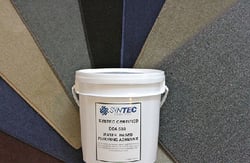

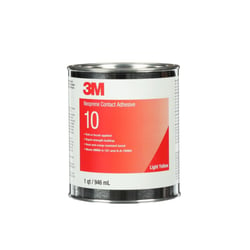

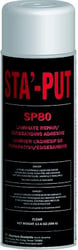
AP 001-SP8013C SP80 Aerosol Contact Adhesive 13.6 oz High Strength Bonding Spray

What Are Contact Adhesives?
Contact adhesives are a category of high-strength bonding agents that work by applying adhesive to both surfaces being joined, allowing each coat to dry, and then pressing the surfaces together to form an immediate, durable bond. Unlike many other adhesive types that require clamping or extended cure times, contact adhesives grip on contact — hence the name — making them especially practical for repair and maintenance work where speed and reliability matter.
These adhesives are a staple in automotive, marine, RV, and general maintenance settings. Common applications include bonding upholstery foam, reattaching trim panels, securing carpet, laminating surfaces, and sealing gaskets. Their ability to adhere to a wide range of substrates — metals, plastics, foams, woods, and fabrics — makes them one of the most versatile tools in any maintenance kit.
What to Consider When Shopping for Contact Adhesives
- Substrate compatibility: Not all contact adhesives are formulated for every material. Verify that the product bonds well with the specific surfaces you are working with, such as foam, metal, laminate, or rubber.
- Solvent-based vs. water-based: Solvent-based contact adhesives typically offer faster tack and stronger initial bonds, while water-based formulas tend to have lower VOCs and are better suited for enclosed spaces or environments with strict air quality requirements.
- Heat and moisture resistance: For automotive underhood areas, marine environments, or exterior applications, look for products rated to withstand elevated temperatures and water exposure.
- Open/bonding time: Some contact adhesives provide a longer "open time" — the window between application and bonding — which is useful when working with large or complex surfaces that need positioning before joining.
- Application method: Contact adhesives are available in spray cans, brush-on cans, and tube formats. Choose the format that best suits your project size and surface geometry.
Top Brands in Contact Adhesives
3M is one of the most trusted names in adhesive technology across automotive, marine, and industrial applications. Their broad lineup — spanning neoprene-based solvent formulas to water-based Fastbond products — covers everything from bonding stainless steel and sheet metal to laminating foams and fabrics. 3M's neoprene contact adhesives deliver excellent moisture and heat resistance, performing in demanding high-temperature conditions. Whether you need a spray-on solution for large panel work or a brush-applied adhesive for detail repairs, 3M offers a well-engineered option across the full spectrum of contact bonding needs.
AP Products brings decades of experience supplying the RV and marine markets with practical, field-tested maintenance solutions. Their Sta-Put line includes pressure-sensitive contact cements specifically formulated for bonding expanded polystyrene foam to itself and other materials , making them a go-to choice for RV wall panels, insulation, and interior repair applications where foam bonding is critical.
Why Quality Contact Adhesive Matters
In vehicle and marine maintenance, a failed bond isn't just an inconvenience — it can mean loose trim at highway speeds, delaminating interior panels, or moisture-exposed seams in a boat hull. Choosing a contact adhesive with the right chemistry for your specific application ensures a long-lasting repair that holds up to vibration, temperature swings, and moisture. Investing in a proven product from a reputable manufacturer is the simplest way to ensure the job is done once and done right.