



Control Boxes & Parts
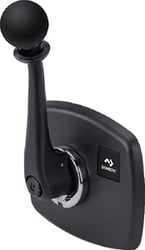

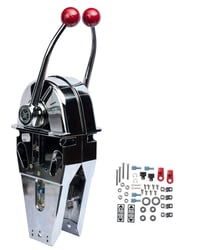
Seastar Solutions CH5300P Twin Engine Binnacle Control with Dual Function Levers
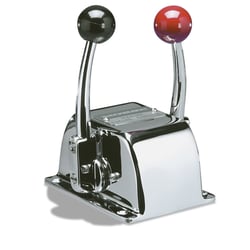
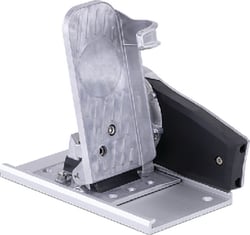
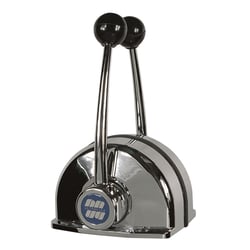

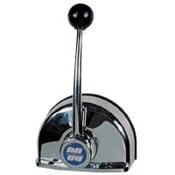
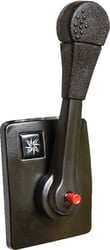
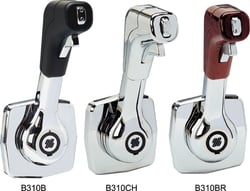
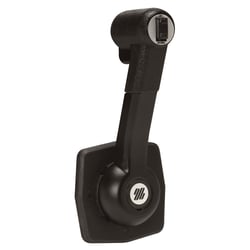
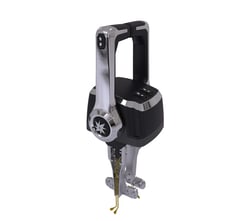
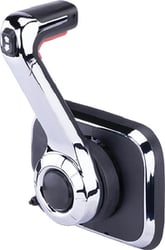
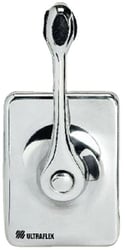
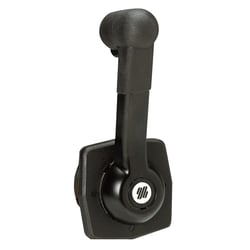

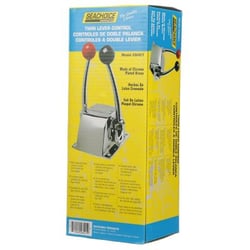

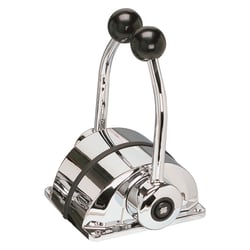

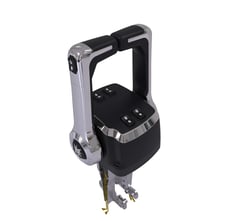
Quicksilver 88688A22 Dual Engine Console Mount Remote Control with Power Trim

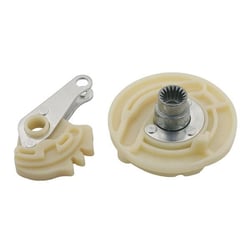

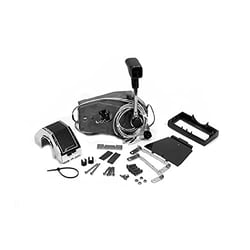
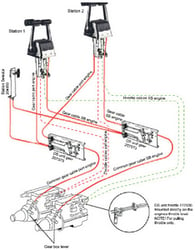
Seastar Solutions 207573 Dual Station Gear Shift Unit for Inboard and Sterndrive
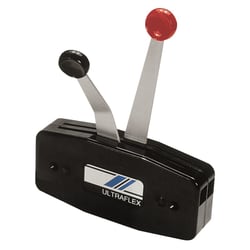
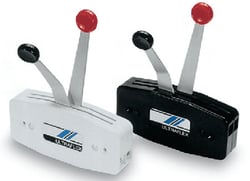
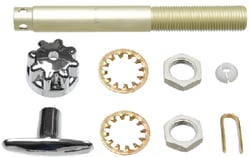
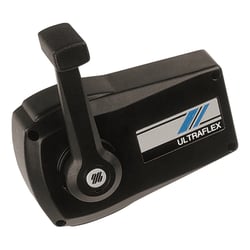

Quicksilver 864363A1 Shift Plate Kit for MerCruiser Alpha One Stern Drive Carbureted Engines
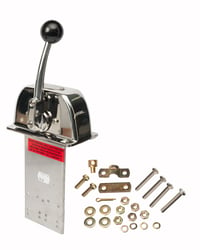
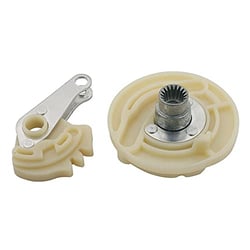
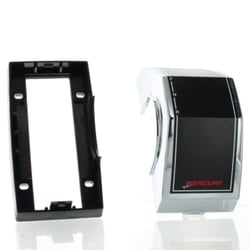
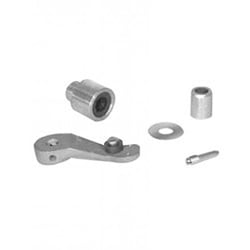
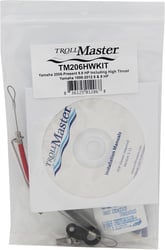
TrollMaster TM206HWKIT Pro3 Plus Hardware Kit for Yamaha 6/8/9.9HP Outboards

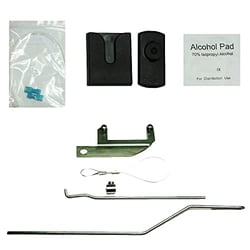

Quicksilver 891645A01 Throttle Button Assembly for Mercury Marine Remote Controls
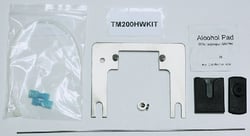
Panther Drive Belts TM200HWKIT TrollMaster Pro3+ Hardware Kit Honda 5/8/9.9/15HP 1980-2000

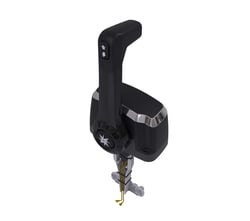

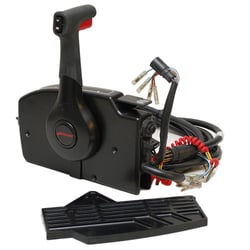
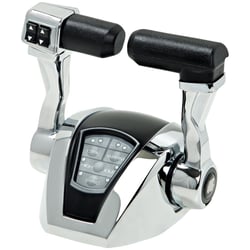
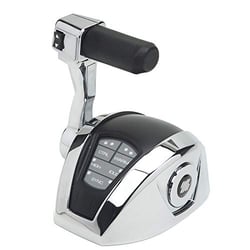
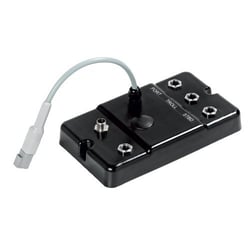
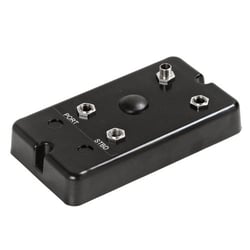
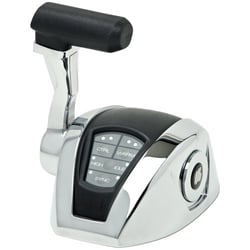
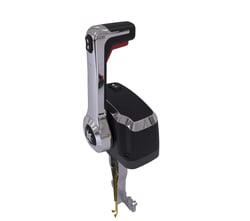
Uflex 42009G Power A PA2-B1 Single Lever Marine Engine Control Head Without Trim
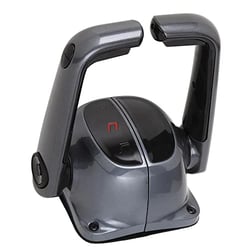
Uflex B502BT/L Twin Lever Top Mount Control with Neutral Lock and Trim Switch Black
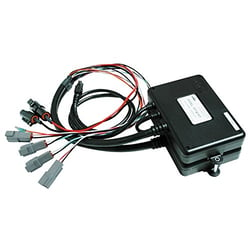

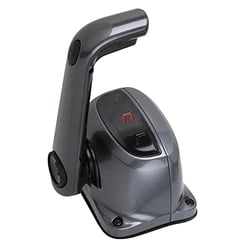
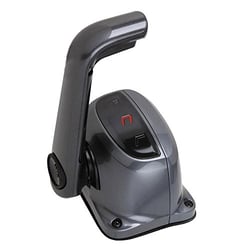
 Representative Photo, actual item may vary
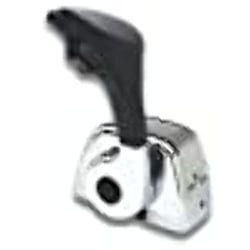
Seastar Solutions CHX8142P Xtreme Top Mount Marine Control Chrome with Trim and Tilt
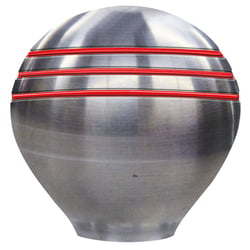
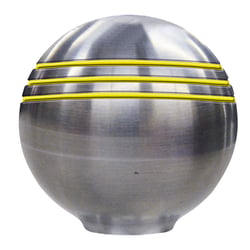
Schmitt Marine Steering Wheels 50048 Throttle Control Knob Gold 1-7/8 Inch Grooved

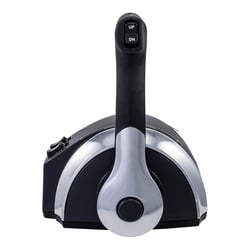
Quicksilver 8M0075246 Dual Engine Binnacle Mount Remote Control with Individual Trim Switches – MerCruiser Stern Drives
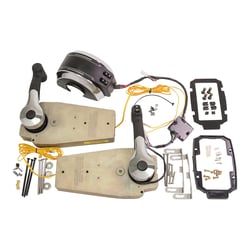
Quicksilver 8M0075245 4500 Gen II Dual Engine Binnacle Mount Remote Control with Trim
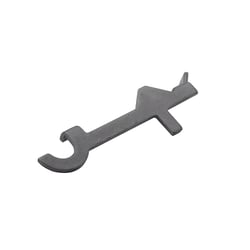
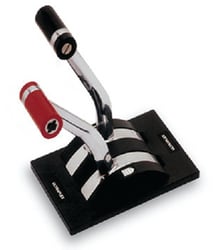
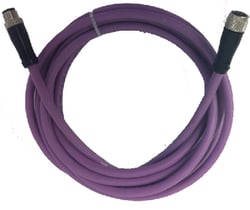
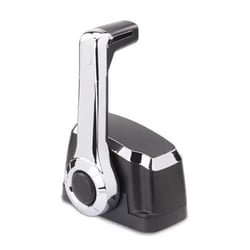
Uflex B184MERC Universal Dual Function Single Lever Side Mount Control with Trim
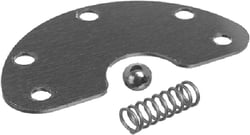
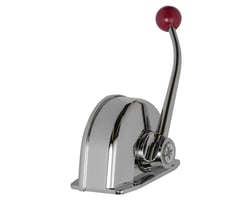
- 1
- 2
What Are Marine Control Boxes?
A marine control box is the command center of your vessel's helm — the mechanism that translates your hand's movement into real engine action. Throttle and shift functions are typically combined into a single helm-mounted unit that regulates engine speed and directs your boat into forward, neutral, or reverse. Whether you're easing away from a crowded marina, holding a slow trolling pace on the water, or backing into a slip, the responsiveness and reliability of your control box directly determines how confident and in control you feel at every moment.
How Control Boxes Work
At its core, a control box consists of a lever (or levers) mounted at the helm, connected either by physical cables or electronic signals to the engine's throttle and shift linkages. In a mechanical system, pushing the lever forward past neutral shifts the motor into gear — and the further you push, the faster you go. Pulling back reverses that process, engaging reverse gear. In modern digital systems, the same helm-mounted input sends electronic signals directly to the engine's control unit, eliminating long cable runs and delivering smoother, more precise response — especially valuable in multi-engine or multi-station setups.
Types of Control Boxes
Selecting the right control box starts with understanding the different mounting styles and configurations available:
- Side-Mount Controls: Mounted on the inner wall of the boat near the steering wheel, these are among the most popular styles. They typically include a warm-up lever, integrated key switch, tilt/trim button, and lanyard safety switch — all within easy reach.
- Binnacle (Top-Mount) Controls: These mount on top of the helm console and are common on pontoons, center consoles, and larger cruisers. They offer a clean, upscale appearance and are available in single- or dual-lever configurations for twin-engine vessels.
- Flush-Mount (Panel) Controls: Designed for a low-profile, integrated look, flush-mount controls are set into the helm panel with only the lever exposed. They're ideal for single-engine applications where a sleek aesthetic is a priority.
- Dual-Station Controls: Larger boats with a flybridge or secondary helm station require synchronized controls so throttle and shift commands can be handed off smoothly between stations.
Mechanical vs. Digital Throttle & Shift
The two primary technologies in marine control systems each have distinct advantages. Mechanical controls use physical throttle and shift cables — proven, durable, and straightforward to service. Digital throttle and shift systems use electronic signaling, which can deliver a smoother lever feel, finer throttle resolution, and easier integration across multi-engine or multi-station configurations. For twin-engine vessels, matched digital controls allow each engine to be managed independently, which can make docking significantly easier.
Key Parts & Components
Control boxes don't operate in isolation — they're part of a broader system. Common components and replacement parts found in this category include:
- Control Heads: The helm-mounted interface for all throttle and shift commands
- Throttle & Shift Cables: The physical link between the helm and engine in mechanical systems
- Neutral Safety Switches & Interlocks: Safety devices that prevent accidental gear engagement
- Trim & Tilt Switches: Integrated into many control handles for adjusting engine angle on the fly
- Mounting Hardware & Bezels: Brackets, covers, and connection kits for secure, weather-resistant installation
- Station Selector Units: Enable smooth control handoff between dual helm stations
What to Consider When Shopping
Engine compatibility is the most critical factor — your control box must match your engine type (outboard, inboard, or sterndrive) and brand to ensure proper cable engagement and safe operation. Beyond compatibility, consider your mounting location, whether you need integrated trim/tilt switches, and whether your vessel runs a single or multiple engines. Marine environments are tough on hardware: salt air encourages corrosion, so look for units built with marine-grade materials like anodized aluminum, stainless steel bezels, and corrosion-resistant hardware. Regular maintenance — inspecting cables for fraying, lubricating moving parts, and checking mounting hardware — keeps your control system performing safely season after season.