



EPIRBS/Locating Beacons
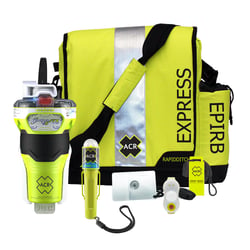

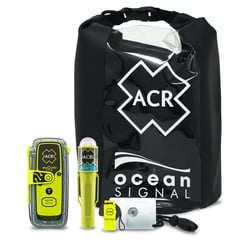
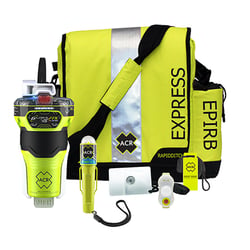
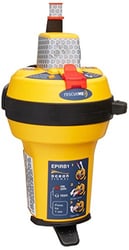
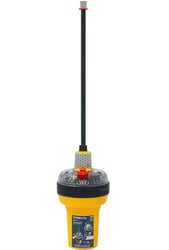
Ocean Signal 702S-01540 RescueME EPIRB1 Category II Emergency Position Indicating Radio Beacon

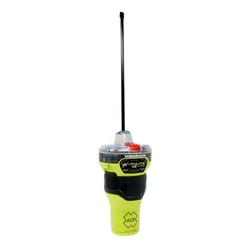
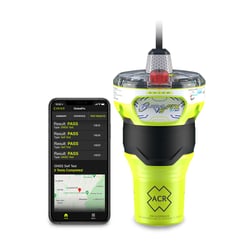
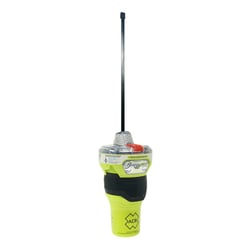
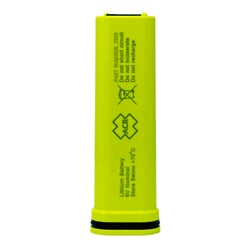
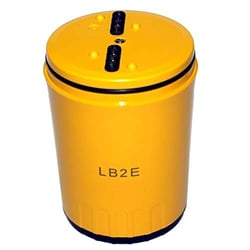
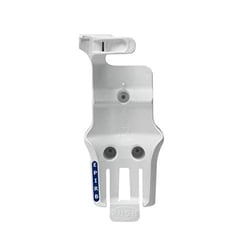
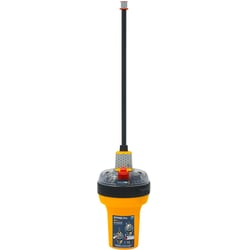
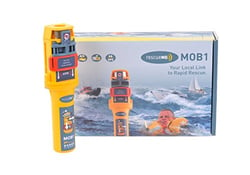
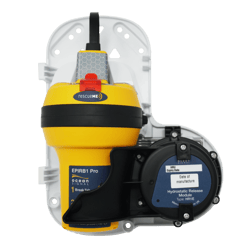
Ocean Signal 702S-03933 SafeSea EPIRB3 Pro Category 1 Float Free Bracket with AIS RLS NFC
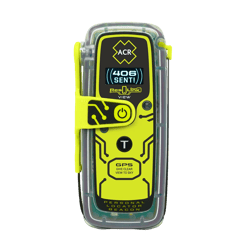
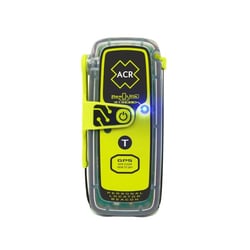
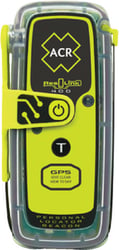
ACR Electronics 2922 ResQLink View PLB-425 Personal Locator Beacon with Digital Display
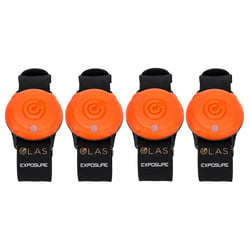
ACR Electronics EXPOLAS4PACK OLAS Exposure Series Crew Tracker Tags 4 Pack
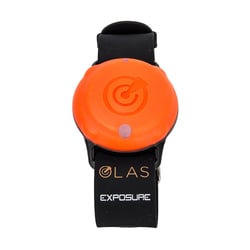
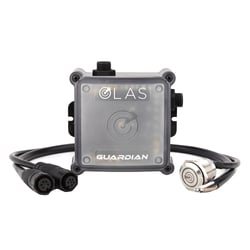
ACR Electronics EXPOLASGUARDIAN OLAS Guardian Wireless Engine Kill Switch
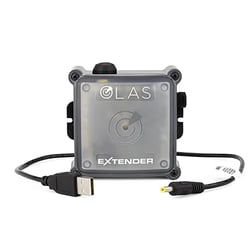
ACR Electronics EXPOLASEXTENDER OLAS Exposure Series Wireless Range Extender
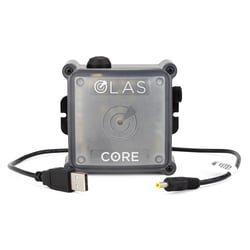
ACR Electronics EXPOLASCORE OLAS Exposure Series Core Overboard Alarm System
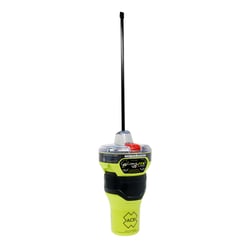
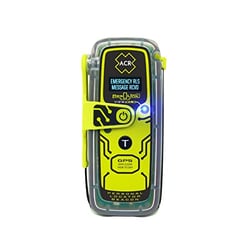
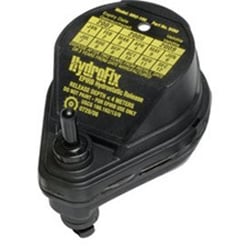
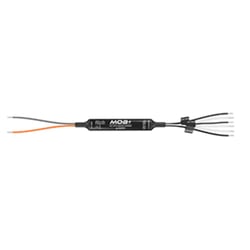
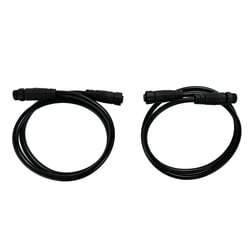
Quicksilver 8M6007096 MOB+ Multiple Engine Wiring Harness for Twin and Triple Outboards


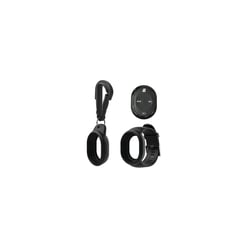
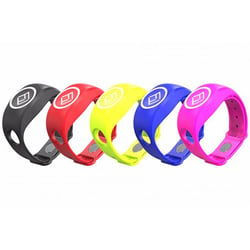
Quicksilver 8M6007948 1st Mate Wearable Passenger Fob Kit with Wristband and Carabiner
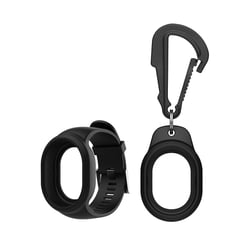
Quicksilver 8M6007946 1st Mate Passenger Fob Wearable Accessories with Wristband & Carabiner
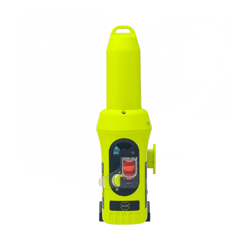
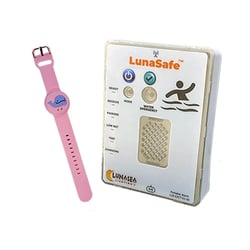
Lunasea Lighting LLB-64PK-02-K2 Water Activated RF Transmitter with Rechargeable Alarm Receiver - Pink

 Representative Photo, actual item may vary
What Is an EPIRB and Why Every Mariner Needs One
EPIRB stands for Emergency Position-Indicating Radio Beacon — and it may be the single most important piece of safety equipment you carry aboard your vessel. EPIRBs and locating beacons are purpose-built distress devices that, when activated, transmit a coded distress signal to a worldwide network of search-and-rescue satellites, alerting coast guards and rescue coordination centers that you need help — and telling them exactly where you are.
Modern EPIRBs transmit on the 406 MHz distress frequency, which is monitored globally by the Cospas-Sarsat satellite system — an international consortium established by the U.S., Russia, Canada, and France to detect and relay emergency beacon signals anywhere on Earth. When paired with an internal GNSS/GPS receiver, a GPS-enabled EPIRB (sometimes called a GPIRB) can pinpoint your location to within approximately 100 meters from the very first satellite pass, dramatically shrinking the search area for rescue teams. The system requires no subscription fee, providing truly global coverage at no ongoing cost to the mariner.
EPIRBs vs. Personal Locator Beacons (PLBs)
While EPIRBs are designed to be mounted on a vessel — often in a float-free bracket that automatically deploys and activates the device when submerged — Personal Locator Beacons (PLBs) are compact, wearable devices intended for individual crew members. EPIRBs are registered to a specific boat, carry a minimum 48-hour battery life, are built to float in a transmitting position, and are the recommended choice for offshore passages. PLBs are registered to a person, have a minimum 24-hour battery life, and are ideal for crew working on deck or engaged in activities away from the vessel.
Key Features to Look for When Shopping
- 406 MHz + GNSS: All current-generation beacons operate on 406 MHz with integrated GPS or multi-constellation GNSS (GPS, Galileo, GLONASS) for rapid, precise positioning.
- AIS Integration: Newer AIS EPIRBs simultaneously broadcast a VHF distress message to nearby AIS-equipped vessels, enabling immediate local rescue without waiting for SAR authorities to respond.
- Return Link Service (RLS): An RLS-capable beacon receives a confirmation signal back through the Galileo satellite network, giving survivors visual assurance that their distress message has been received.
- Deployment Category: Category 1 EPIRBs automatically release from their float-free bracket when submerged; Category 2 EPIRBs require manual deployment.
- Registration: Always register your beacon with your national authority (free of charge). An unregistered EPIRB can delay a Coast Guard response by up to two hours.
- Battery & Service Life: Check expiration dates. Manufacturers typically recommend professional servicing every 4–5 years.
Top Brands in EPIRBs & Locating Beacons
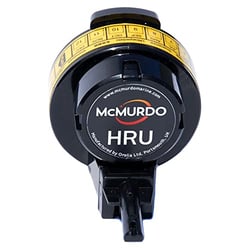
McMurdo is one of the most storied names in marine safety, with roots stretching back to 1937. Their SmartFind series of EPIRBs was among the first to combine 406 MHz, GNSS, and AIS technology in a single beacon — delivering what McMurdo calls QUADROTECH® multi-frequency search and rescue capability. The SmartFind G8 PLUS, for example, includes infrared night-vision optical signaling and multi-constellation GNSS (GPS and Galileo) for accelerated rescue across all conditions.
ACR Electronics has spent over 60 years at the forefront of marine and outdoor safety. Their GlobalFix EPIRB lineup — including the GlobalFix V5 and V6 — brings together 406 MHz Cospas-Sarsat transmission, AIS, Return Link Service, Near Field Communication (NFC) smartphone app integration, and long-life lithium batteries into one ruggedized package. ACR's technology is trusted by the U.S. Military, Coast Guard, and NATO, and their products are available for recreational and commercial mariners alike.
Ocean Signal is a UK-based innovator known for its compact, feature-rich EPIRB and PLB lineup. Their newer EPIRB2 and EPIRB3 series incorporate NFC technology for smartphone diagnostics, allowing users to check battery status, run GNSS tests, and review self-test history directly from a mobile app. All Ocean Signal EPIRBs are fully waterproof, submersible to at least 10 meters, and engineered to perform in the harshest marine environments.