



Foam Sealants/Flotation
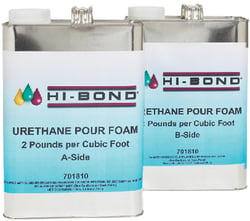


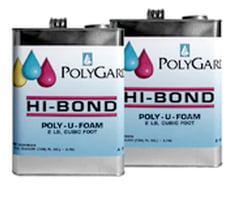
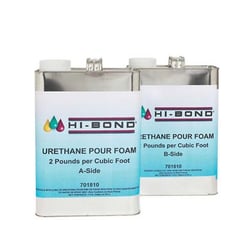
 Representative Photo, actual item may vary
Taylor Made 2020108517 Dock Float 24" x 48" x 12" High-Density Foam Flotation

What Are Foam Sealants & Flotation Products?
Foam sealants and flotation products are expanding polyurethane formulations designed to fill voids, seal gaps, and add critical buoyancy to marine vessels, docks, and floating structures. Whether you're restoring an aging pontoon, reinforcing a fiberglass hull, or building a custom dock float, these products deliver a powerful combination of structural support and water resistance that few other materials can match.
Flotation foam is the unsung hero that keeps boats afloat — but its importance goes beyond preventing sinking. Marine foam also improves insulation, reduces noise levels, and strengthens the structure of your vessel. That multi-purpose value is what makes this category so essential for anyone who spends time on the water.
How Foam Sealants and Flotation Foam Work
Most marine-grade flotation products are two-part polyurethane systems. Just mix and pour this low-viscosity polyurethane foam to fill cavities and increase buoyancy — as an insulating foam, it flows into recesses and hard-to-fill voids. Once the two components are combined, an exothermic reaction begins, and the mixture expands rapidly to fill the target area before curing to a rigid, closed-cell structure.
Once cured, the foam prevents moisture absorption and will not be affected by solvents, oil, or gas — a critical characteristic for any material used in a marine environment. Spray-can versions follow the same principle in a convenient one-component format: a one-component urethane foam expands and cures to a semirigid, closed-cell mass for caulking, sealing, filling, and insulating.
Key Benefits of Marine Foam
- Buoyancy & Safety: If a vessel is punctured and develops a hole or leak, it will still take on water, but the flotation foam will significantly slow the rate at which the boat sinks — in most cases providing enough time to radio for help or make it to shore.
- Structural Reinforcement: Using flotation foam boosts the durability of a boat's hull in areas prone to high stress. Dense foams increase strength and stiffness, withstanding pressure without deforming, helping prevent cracks, leaks, and structural issues.
- Insulation: Use for adding icebox or sound-deadening insulation and additional flotation.
- Sound Dampening: Flotation foam lessens sound — every little noise on the surface is amplified and carried underwater, which is particularly frustrating for fishermen.
- Stability: Strategically placed foam enhances stability on the boat by elevating the center of gravity, lessening the chances of tipping over when making turns or navigating rough waters.
What to Consider When Buying Foam Sealants & Flotation Products
Before purchasing, consider the foam density you need. Lower-density 2 lb foams are ideal for standard flotation and cavity filling, while higher-density options provide greater structural rigidity. Foam expansion rates are approximately 25:1 , so calculating the volume of the cavity beforehand prevents waste and ensures proper coverage. Also keep in mind that warm conditions of 75–85°F are very important, as are accurate measuring, thorough mixing, and proper venting of the area where the foam is to be applied.
For sealing tasks, spray-can foam offers the convenience of targeted application in tight spaces — ideal for filling boat hull cavities and sealing electrical outlets and cracks in walls.
Top Brands in Foam Sealants & Flotation
Evercoat is one of the most trusted names in marine maintenance chemistry. Their two-part pour foam and spray sealant lines are engineered specifically for demanding marine environments — just mix and pour to fill cavities and increase buoyancy, with a 2 lb density foam that increases flotation, insulation, and fills gaps. Proudly manufactured in Blue Ash, Ohio, Evercoat sets the standard for quality and performance in the industry.