



Fuel Hose
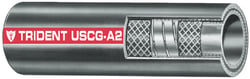

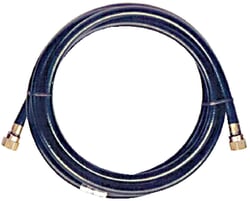
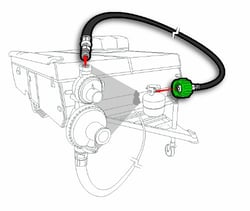

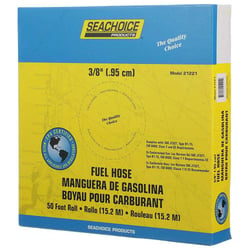

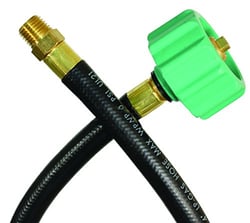

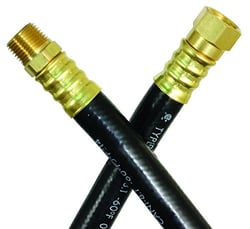

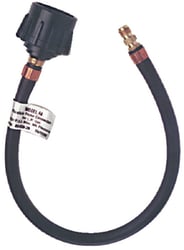
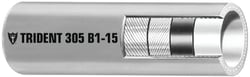
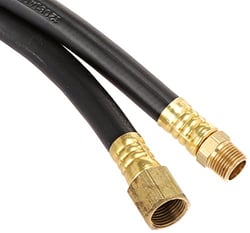
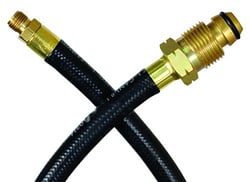

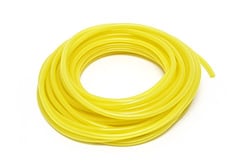
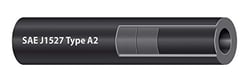
 Representative Photo, actual item may vary

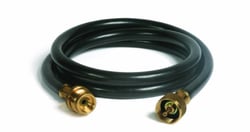
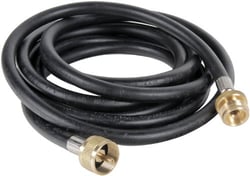
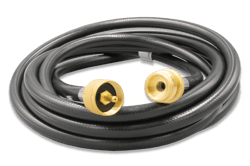

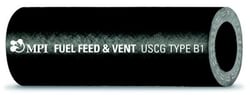
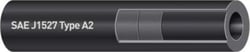
Shields Hose 16-369-0586 Type A2 Fire Acol Series 369 Fuel Vent Hose 5/8" ID

 Representative Photo, actual item may vary

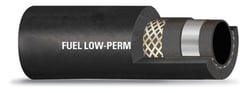
Seachoice 365-0386 Low Permeation Type A1-15 Marine Fuel Hose 3/8" ID x 50 ft
Shields Hose 16-368-0380S Low Permeation Series 368 Marine Fuel Hose 3/8" ID
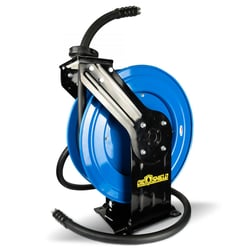
OilShield OSFHRONE40 Heavy Duty Fuel Hose Reel with 1" x 40' Rubber Hose Assembly

 Representative Photo, actual item may vary
 Representative Photo, actual item may vary
 Representative Photo, actual item may vary
Why Marine Fuel Hose Matters
On the water, fuel system integrity isn't just a maintenance concern — it's a safety imperative. Marine fuel hose is purpose-built to handle the unique demands of boats and RVs: constant vibration, exposure to ethanol-blended fuels, extreme temperature swings, and the ever-present risks of saltwater and UV degradation. Unlike standard automotive hose, marine-rated fuel hose must meet strict regulatory standards set by the U.S. Coast Guard (USCG), the American Boat and Yacht Council (ABYC), the Society of Automotive Engineers (SAE), and the Environmental Protection Agency (EPA), ensuring both passenger safety and environmental protection.
Understanding Fuel Hose Types and Standards
Marine fuel hoses are classified by their intended use and construction. Type A hoses are designed for use inside enclosed engine compartments and fuel tanks, where fire resistance and low permeability are critical. Type B hoses are typically used for outboard engine connections and portable fuel systems. Within each type, ratings like A1 and B1 indicate the hose meets low-permeation standards — an important consideration as EPA regulations have tightened requirements to limit fuel vapor emissions.
Fuel hoses are also rated by the fuels they can handle. Modern marine engines increasingly run on ethanol-blended fuels such as E10 or even E85, and not all hoses are compatible. Always confirm your hose is rated for the specific fuel blend your engine uses, and check the inner diameter to ensure proper flow for your application.
Key Factors When Shopping for Fuel Hose
- Certification: Look for hoses that meet SAE J1527, USCG Type A or B, ABYC H-24, and current EPA low-permeation standards.
- Fuel Compatibility: Verify the hose is rated for gasoline, diesel, ethanol blends, or biodiesel as needed for your application.
- Inner Diameter: Common sizes range from 1/4" to 2" or larger; match the diameter to your existing fittings and engine requirements.
- Construction: Reinforced walls with braided or spiral cord layers provide resistance to kinking, ballooning, and collapse under pressure.
- UV and Ozone Resistance: Marine environments expose hose to intense sunlight and ozone; choose hose formulated to resist both for long service life.
Top Brands in Marine Fuel Hose
Trident Hose is widely regarded as a leading manufacturer of specialty marine hose, offering a comprehensive lineup of USCG-accepted, ABYC-compliant fuel hoses trusted by boatbuilders and service professionals alike. Their products cover a wide range of applications from fuel fill to vent and return lines.
Sierra is a well-established name in marine OEM replacement parts, producing fuel hose and fuel system components engineered to match original equipment specifications for a broad range of outboard and inboard engines.
Seachoice offers a broad selection of EPA-compliant, low-permeation marine fuel hose designed by boaters for boaters. Their hose lineup supports all common marine fuels — including gasoline, diesel, ethanol up to 85%, and biodiesel — and is built to meet SAE J1527, USCG, and ABYC requirements.
Engineered Marine Products focuses on precision-engineered marine fuel system components, providing reliable solutions for both recreational and commercial marine applications.
Shields Hose is a long-respected name in marine hose manufacturing, known for producing high-quality, reinforced fuel hoses that meet or exceed USCG and ABYC standards for safe, durable fuel handling aboard vessels of all sizes.