



Fuses
 Representative Photo, actual item may vary

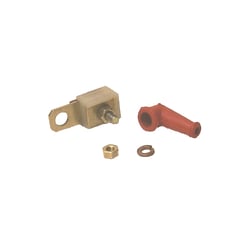

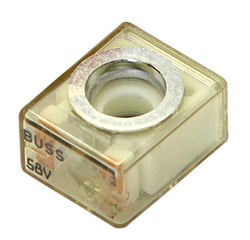

 Representative Photo, actual item may vary
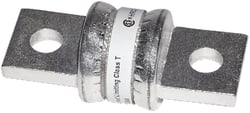
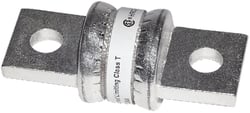
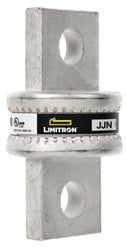
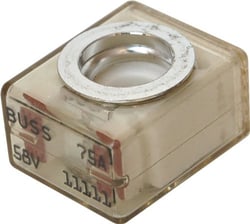
Blue Sea Systems Class T Fuse
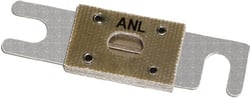
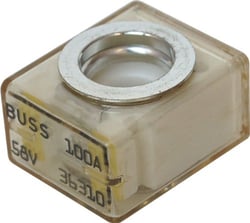


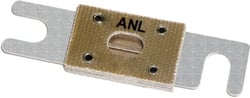
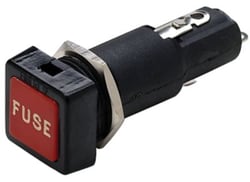

 Representative Photo, actual item may vary
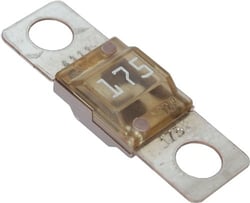
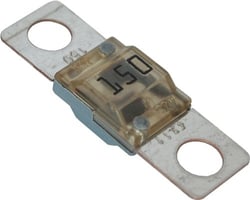
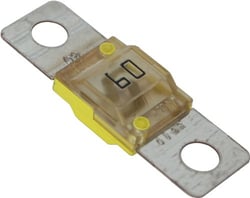
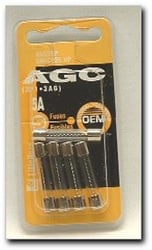
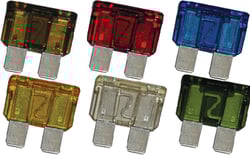
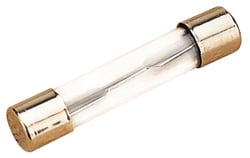

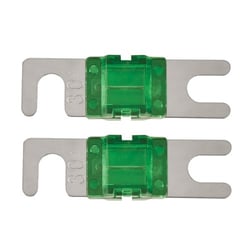

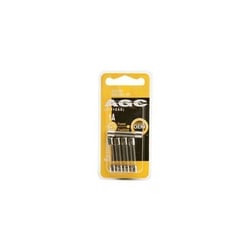

 Representative Photo, actual item may vary
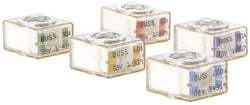
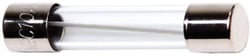

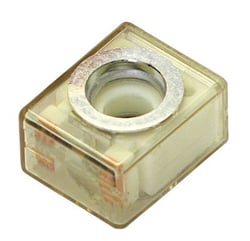
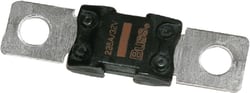
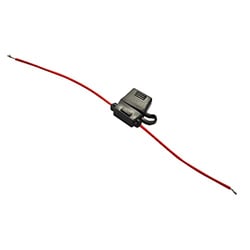
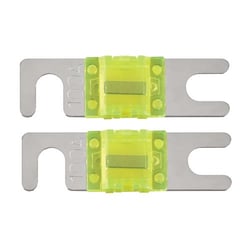



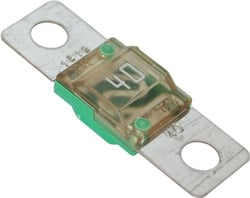
 Representative Photo, actual item may vary
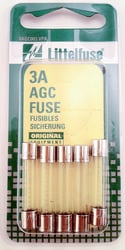
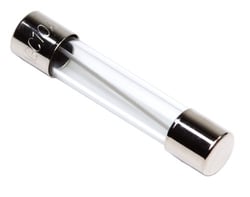
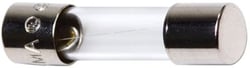
Blue Sea Systems AGC Glass Fuse
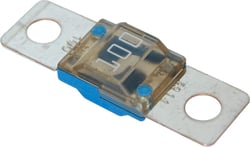
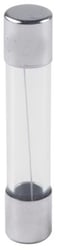
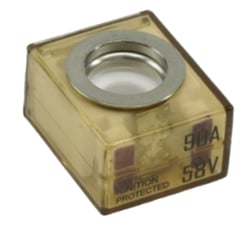
 Representative Photo, actual item may vary
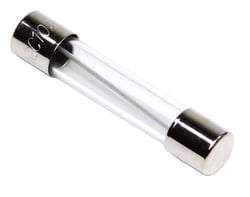
Why Fuses Are the Most Important Component in Your Electrical System
Fuses are the unsung guardians of every vehicle and vessel's electrical system. When a circuit draws more current than it was designed to handle — whether from a short circuit, a failing component, or an accidental wiring fault — the fuse element melts, breaking the circuit before wiring can overheat, insulation can burn, or worse, a fire can start. That single, inexpensive part can be the difference between a quick trailside fix and a total electrical meltdown.
Automotive and marine fuses are generally rated for low-voltage DC systems — most commonly 12V — and come in a wide range of amperage ratings to match different circuit loads. Choosing the right fuse isn't just about amperage: the fuse type, physical size, response speed (fast-acting vs. time-delayed), and environmental resistance all play a role in whether a fuse does its job reliably over time.
Common Fuse Types Explained
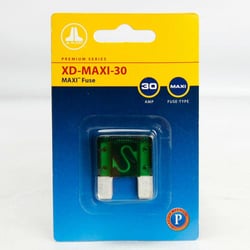
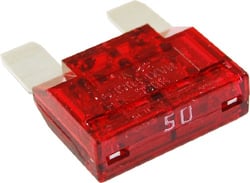
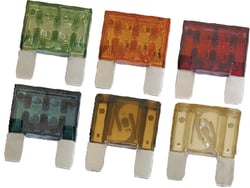
- Blade Fuses (ATO/ATC, MINI, MAXI, MEGA): The most prevalent type in vehicles built after the mid-1980s. Color-coded by amperage and available in several sizes, blade fuses are easy to identify, inspect, and replace.
- AGC / Glass Tube Fuses: Cylindrical glass fuses commonly found in older automotive applications, marine electronics, and accessories. Valued for precise amperage protection in legacy systems.
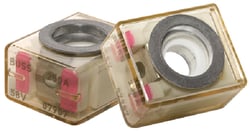
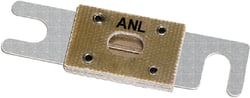
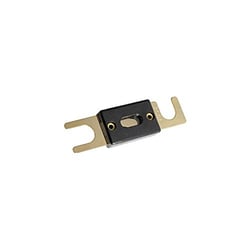
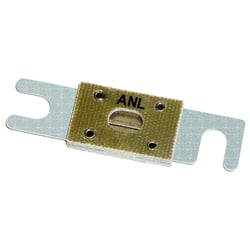
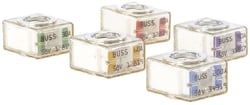
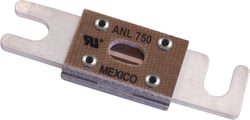
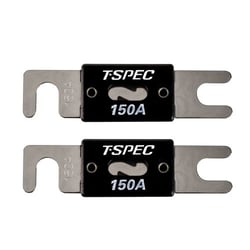
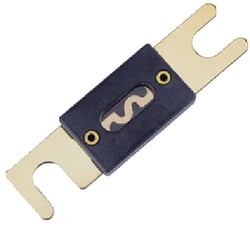
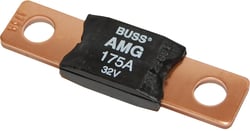
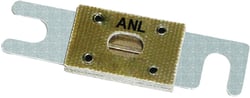
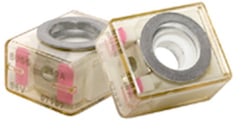
- Bolt-Down / High-Current Fuses (ANL, MIDI, MEGA): Used in high-amperage applications such as battery terminals, audio system power cables, and alternator circuits, often rated from 30A to over 200A.
- Cartridge Fuses (JCASE, MCASE): Time-delayed fuses designed to ride out brief inrush currents without nuisance blowing, while still protecting against sustained overloads.
Shopping Tips: What to Consider
Always replace a fuse with the exact same amperage rating — going higher doesn't offer more protection; it removes it. In marine and outdoor applications, look for fuses rated for corrosion resistance, as standard automotive fuses can fail prematurely in salt-air and high-humidity environments. For any circuit that draws a large startup surge (bilge pumps, winches, audio amplifiers), a time-delayed fuse prevents nuisance blowing without sacrificing protection.
Top Fuse Brands
When it comes to trusted fuse manufacturers, a few names stand out across automotive, commercial, and marine applications:
Littelfuse is widely recognized as a pioneer in the category — the company literally invented the blade-type automotive fuse in 1976 with its landmark AutoFuse design. Today, Littelfuse offers one of the broadest fuse portfolios available, spanning blade fuses, bolt-down fuses, cartridge types, and high-voltage fuses for EVs and hybrid vehicles, all engineered to meet rigorous AEC automotive standards.
Bussmann (an Eaton brand) is a go-to name for both OEM and aftermarket electrical protection. Bussmann fuses are rigorously tested to meet or exceed OEM and SAE standards and cover everything from standard ATC blade fuses to innovative easyID™ LED-indicating fuses that make it simple to spot a blown fuse in a dark or hard-to-reach panel.
Sierra specializes in marine-grade electrical components, offering a comprehensive line of fuse styles, colors, and amperage ratings built specifically for the demands of watercraft applications. Their products are engineered for tough marine environments and are backed by an industry-leading warranty.
Seachoice rounds out the marine fuse segment with dependable, boat-focused electrical protection components designed to keep onboard systems running safely in demanding conditions.
Dometic brings its reputation for quality marine and RV systems accessories to the fuse category, offering circuit protection solutions tailored to the unique electrical demands of recreational and marine environments.